

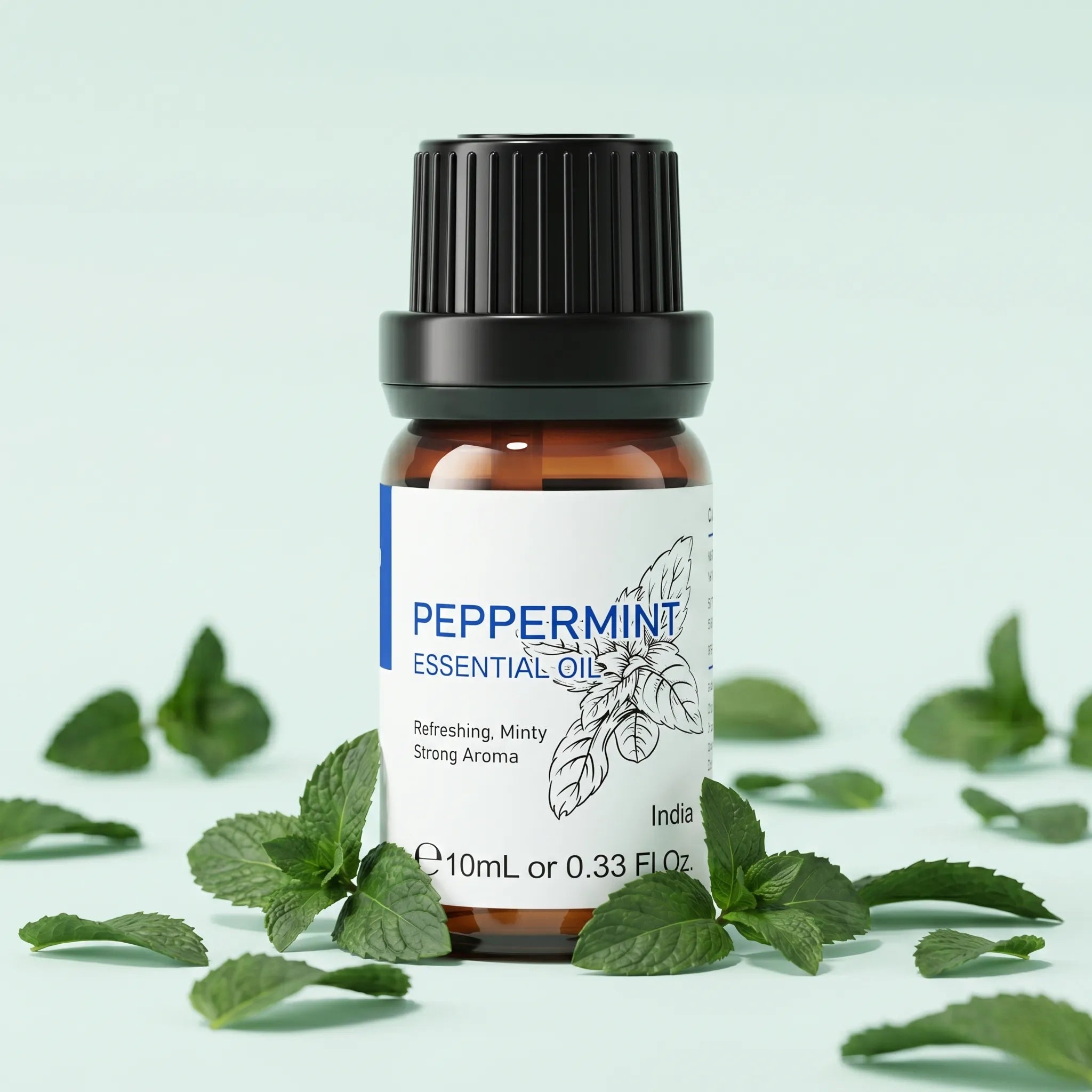
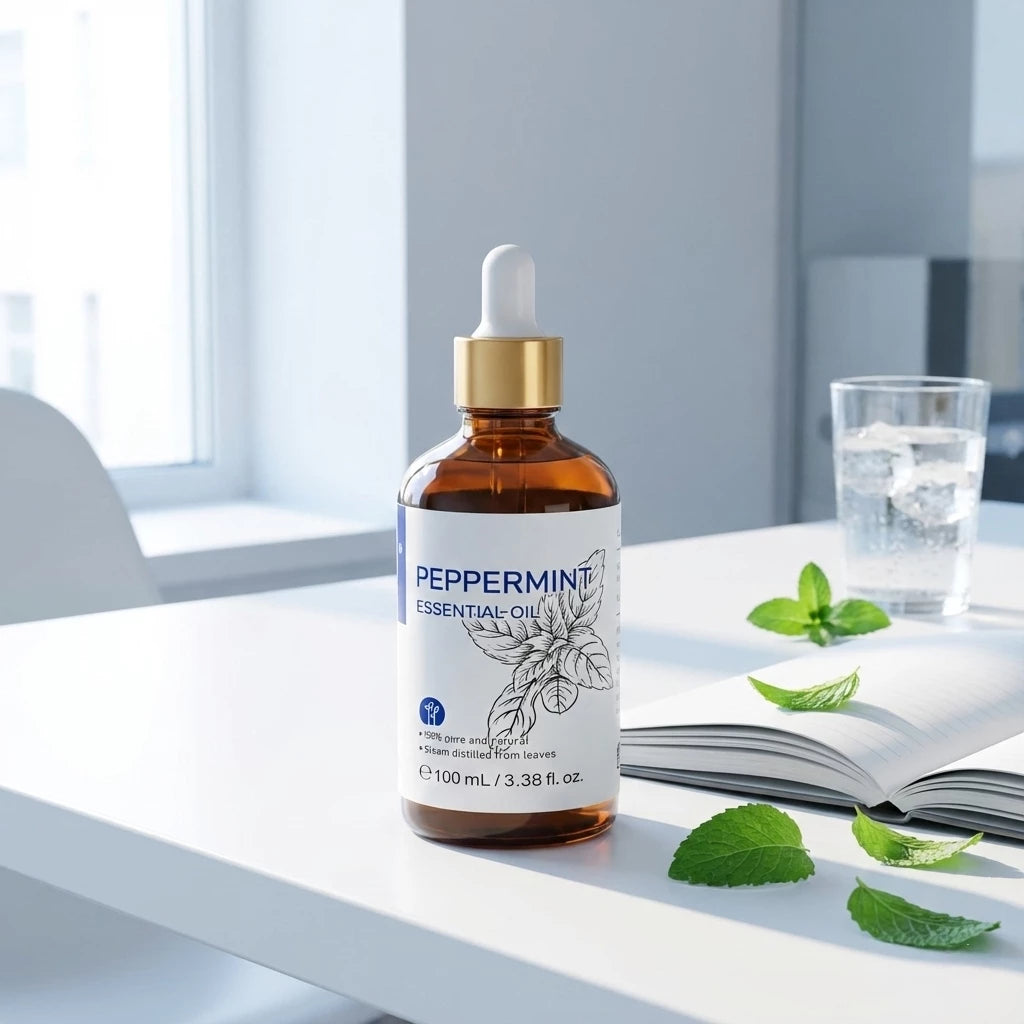
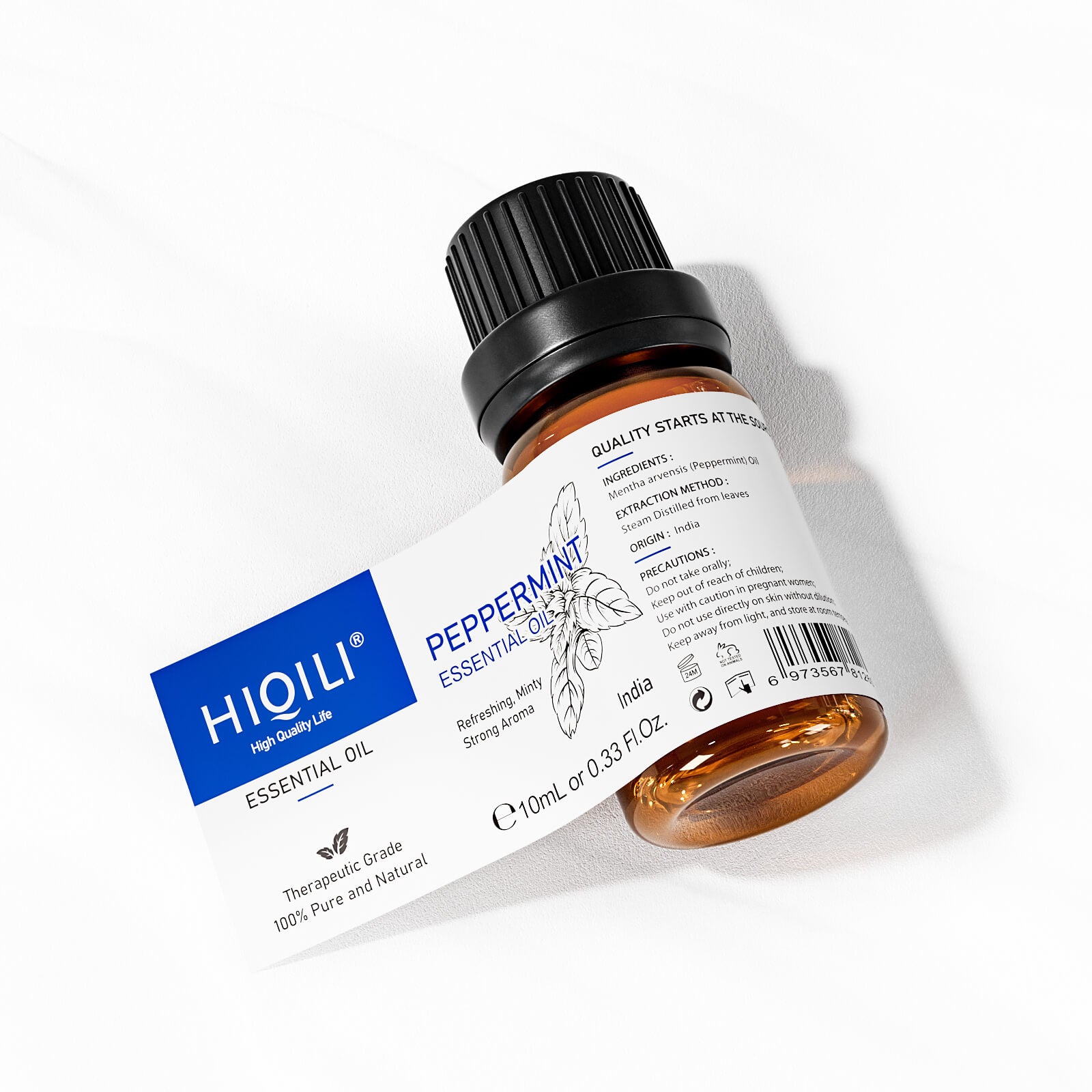
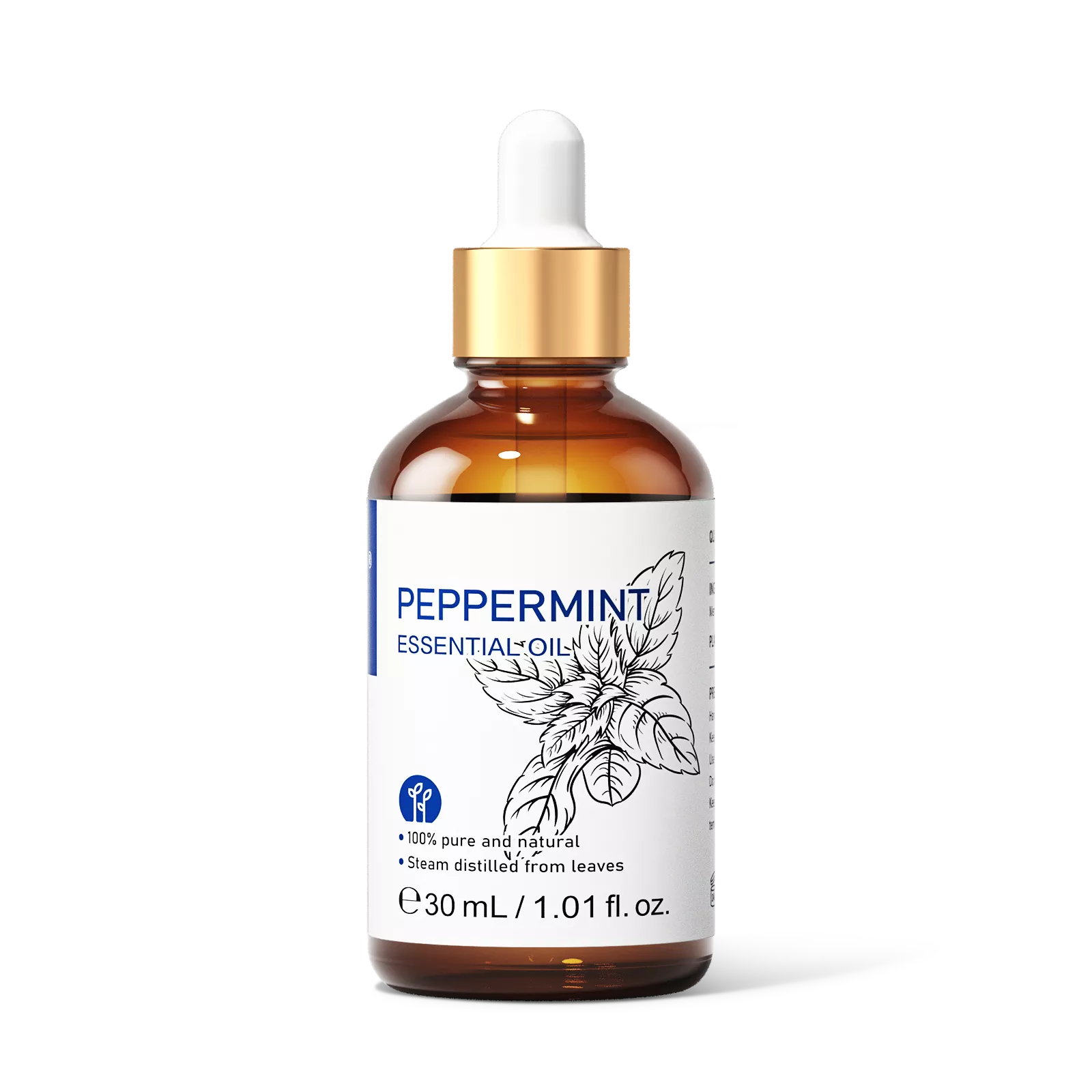
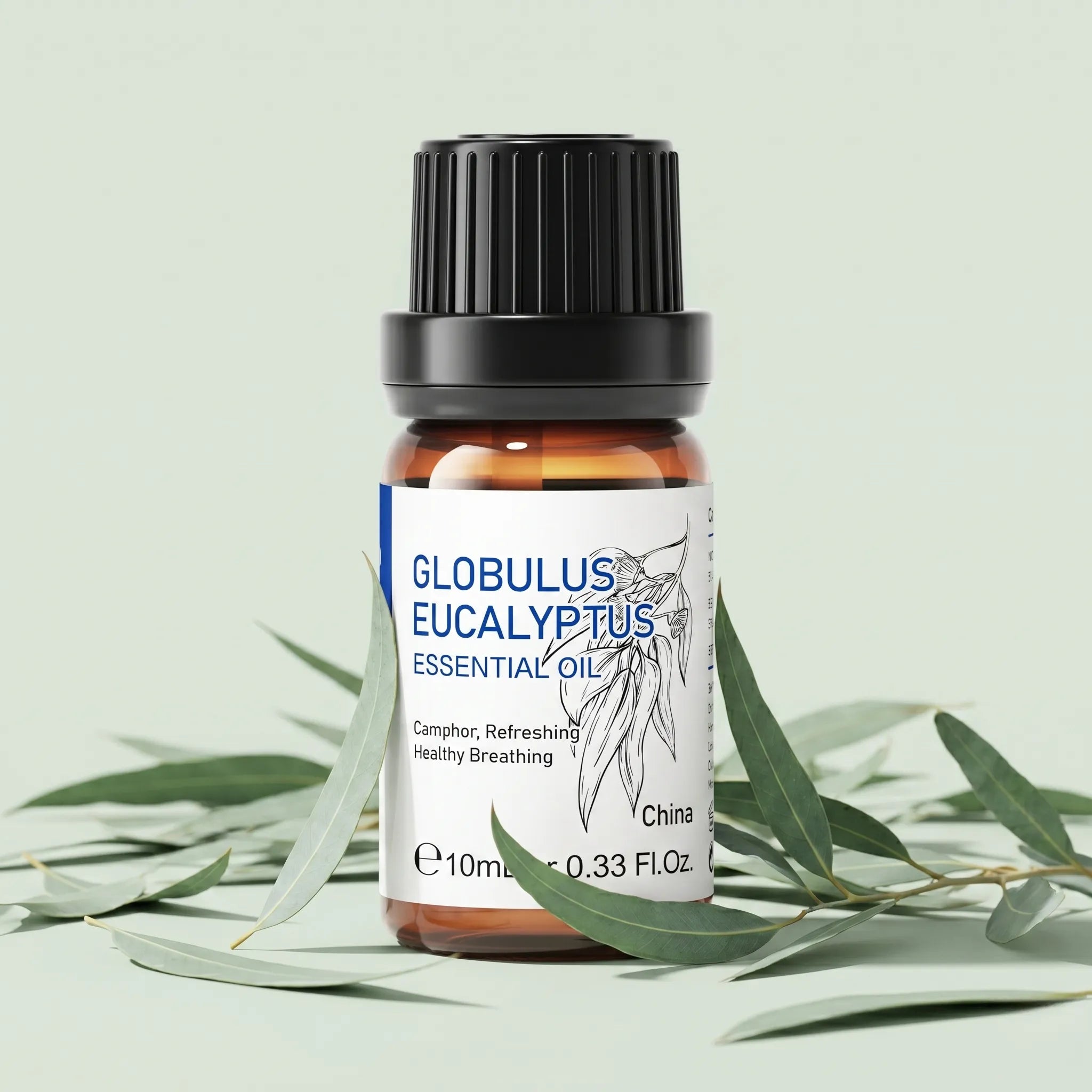
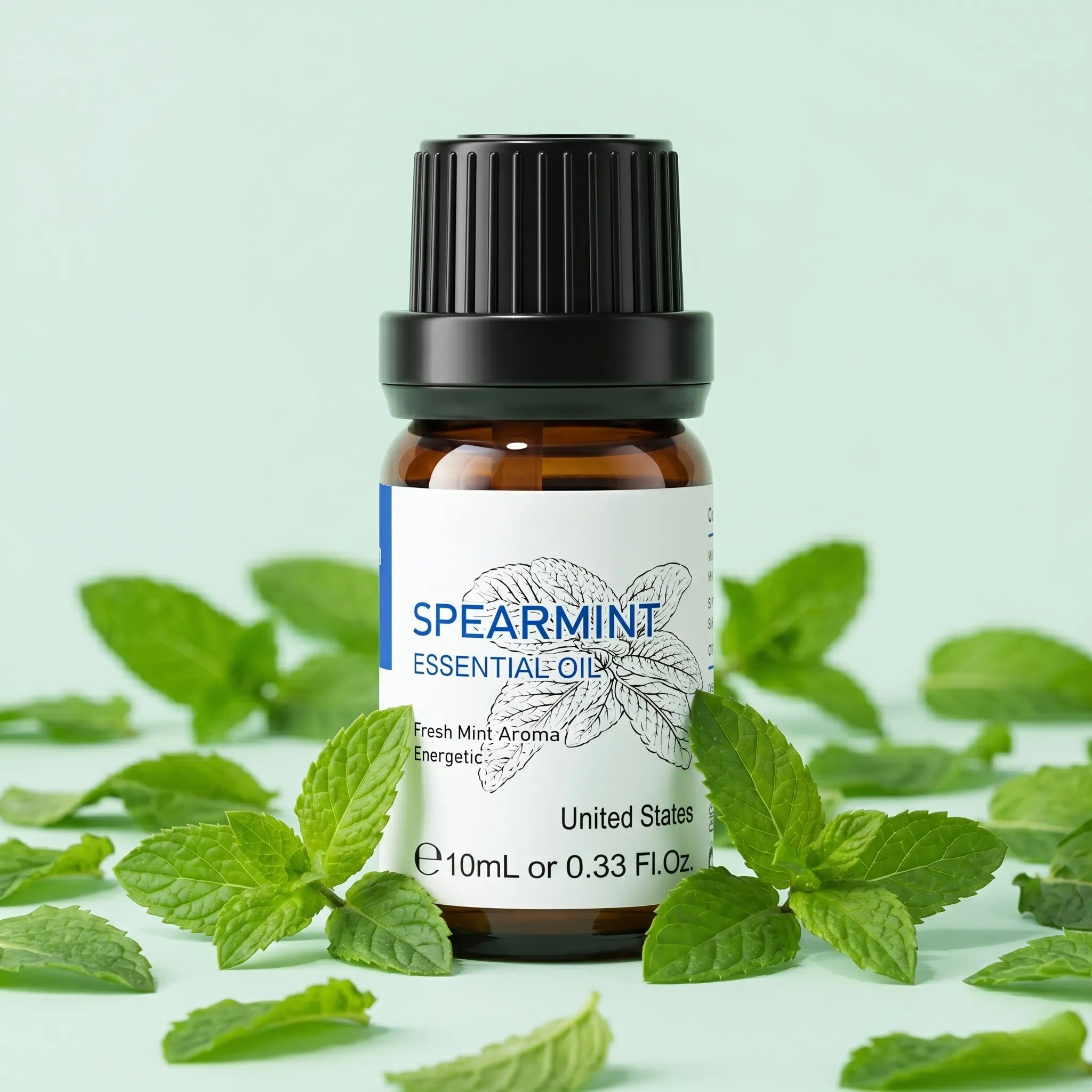
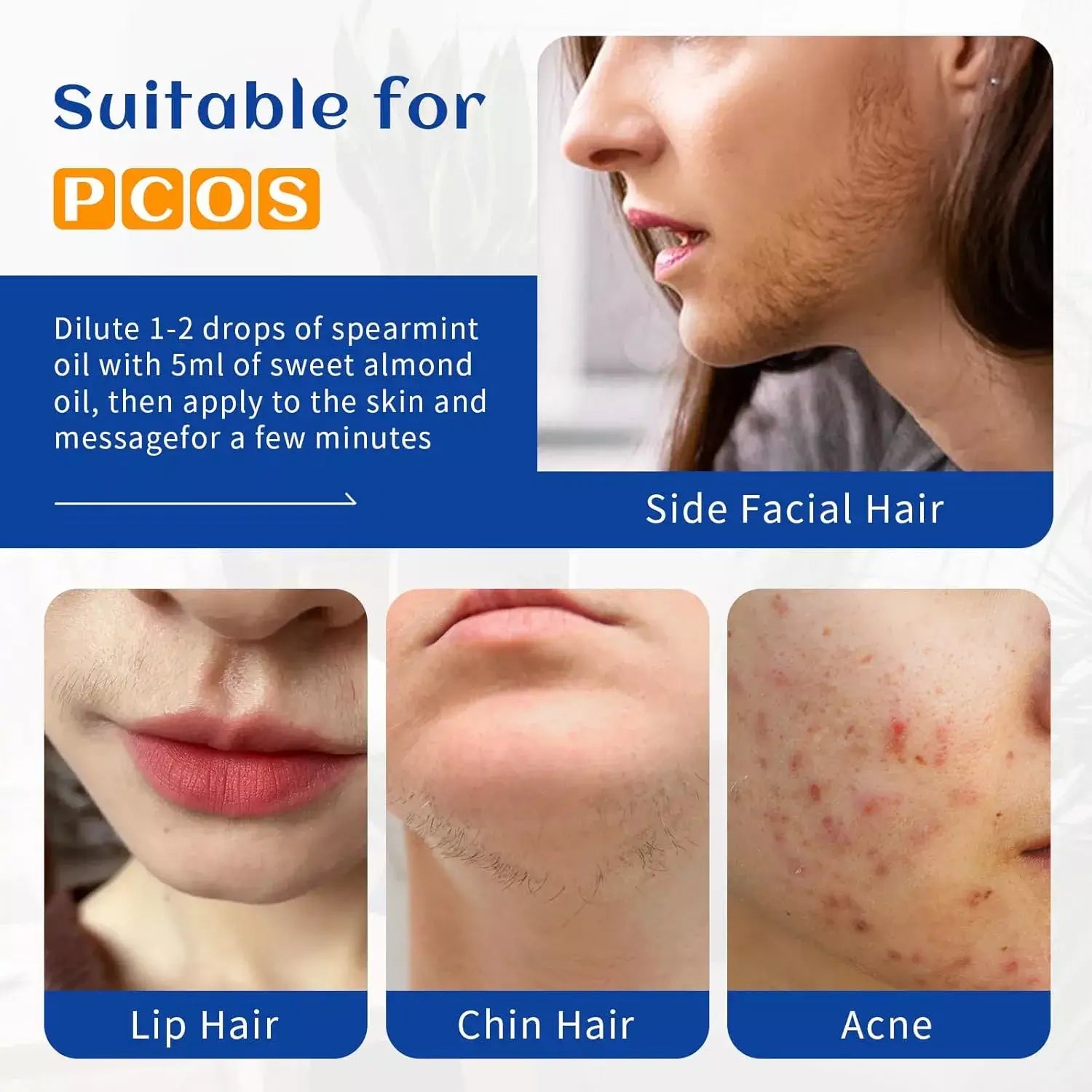
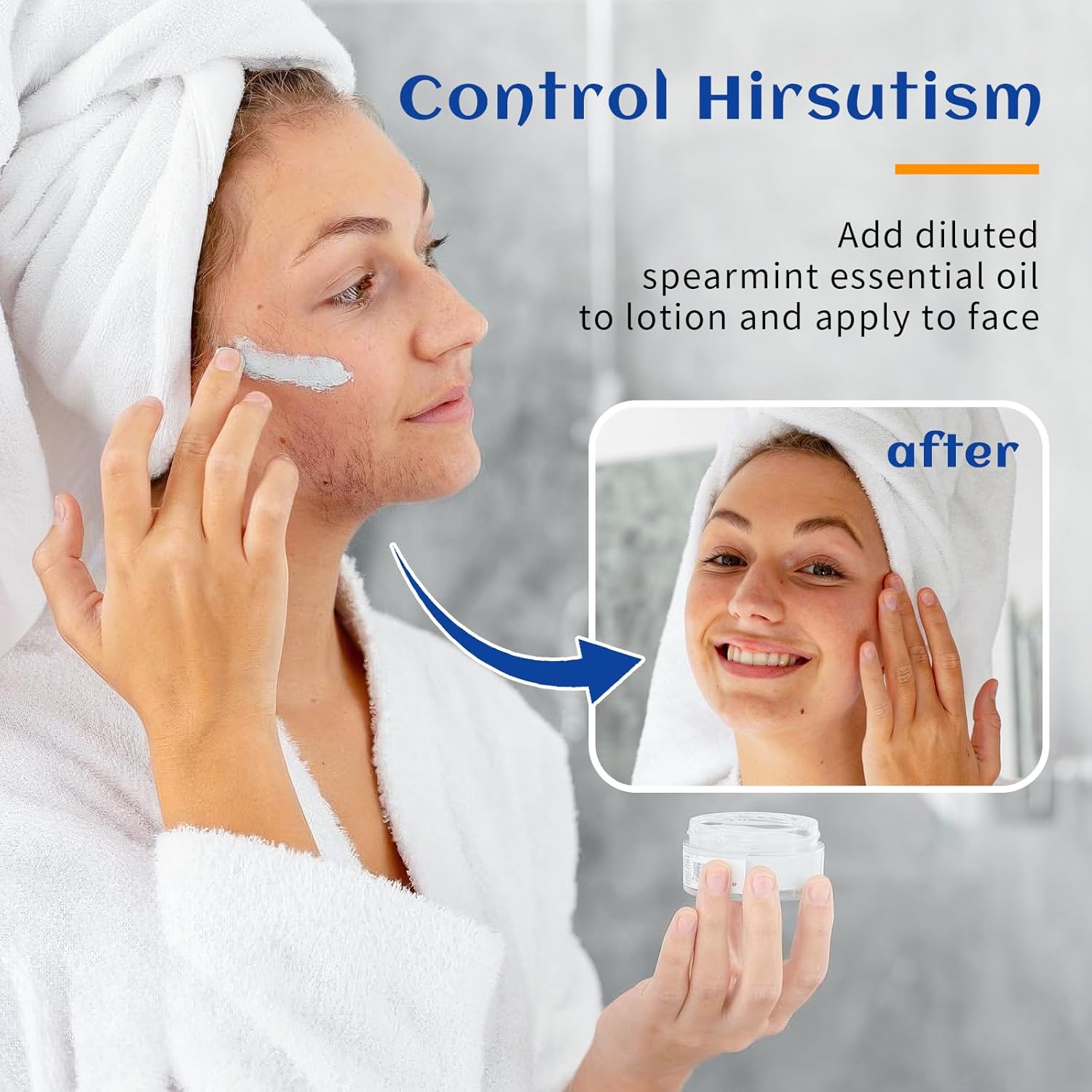
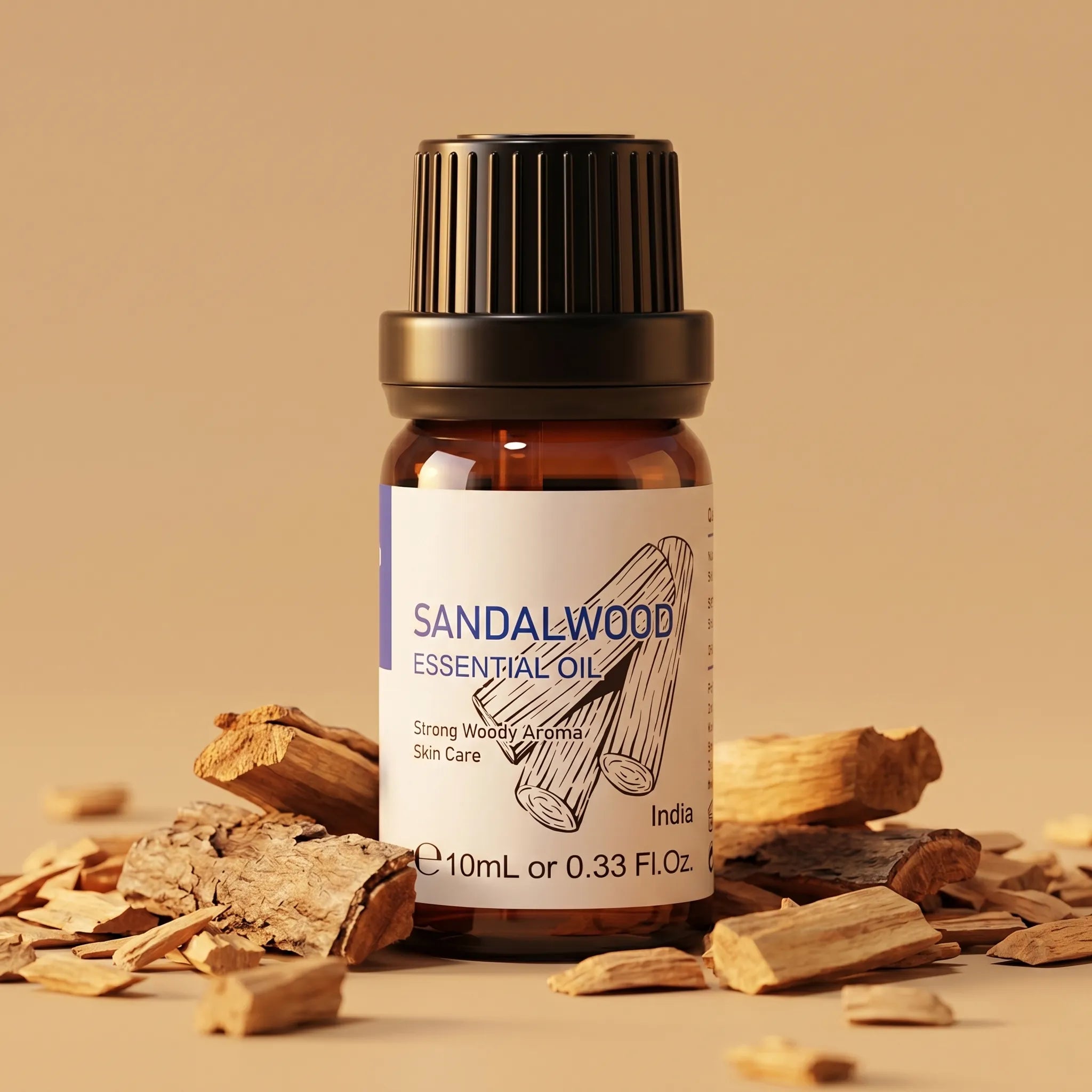
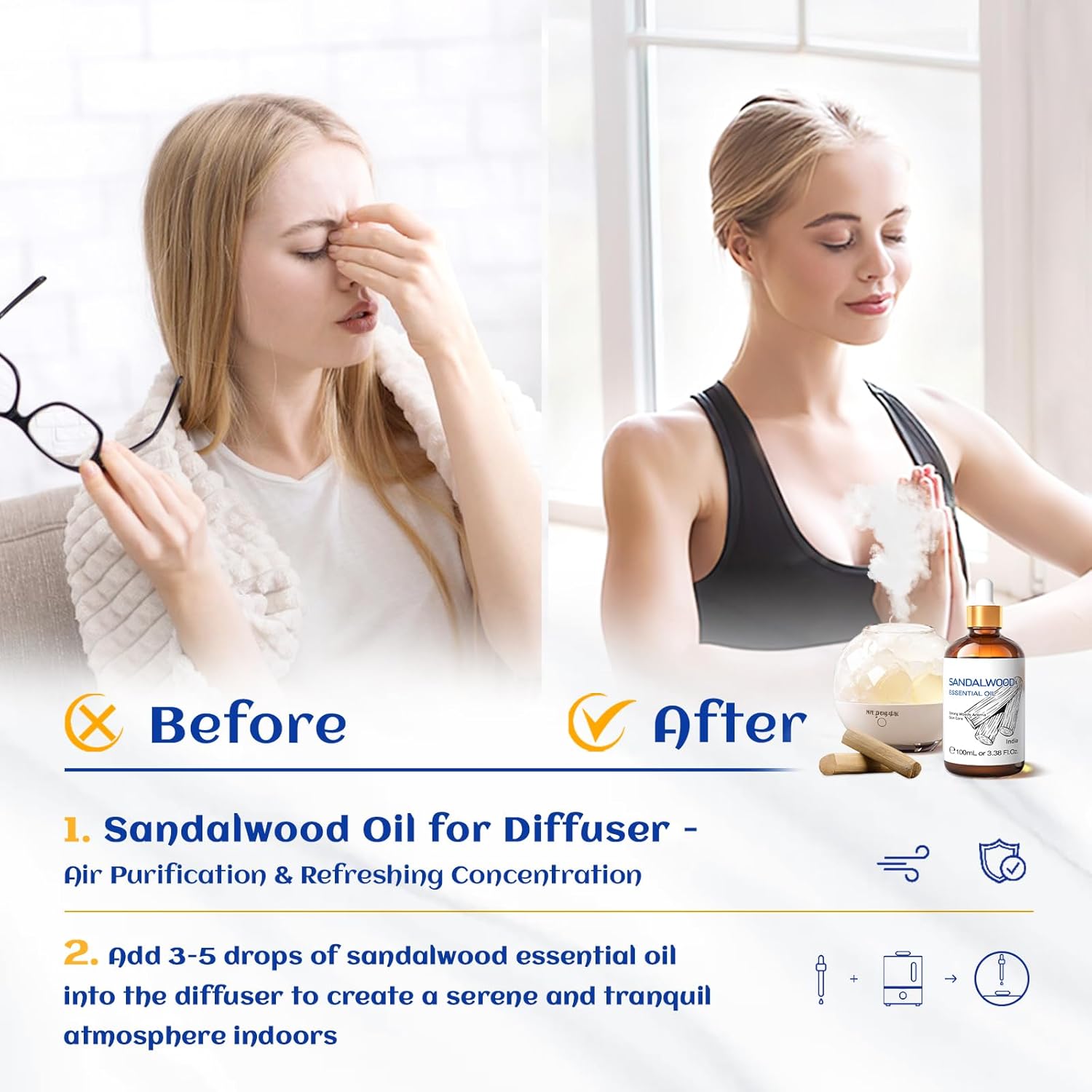
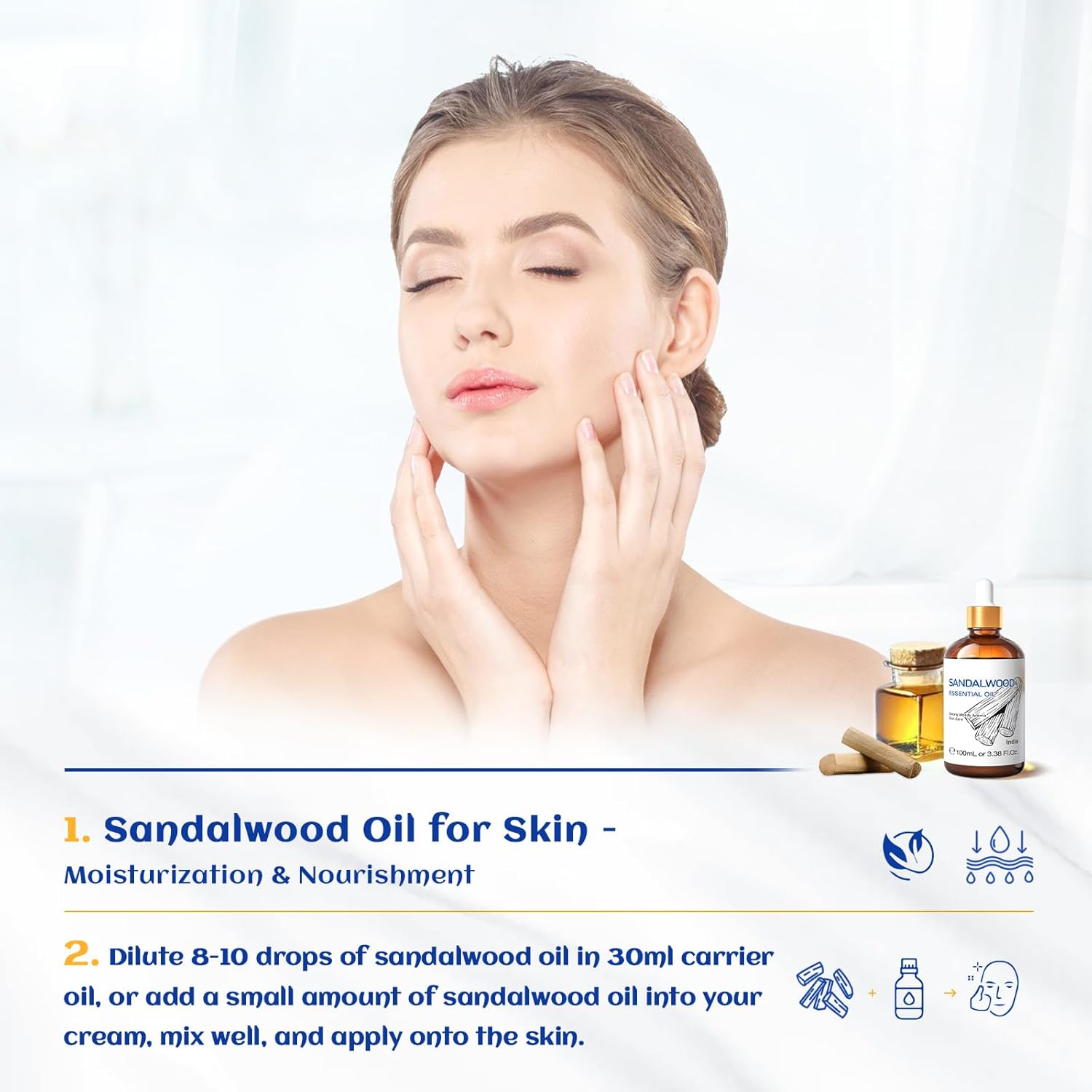

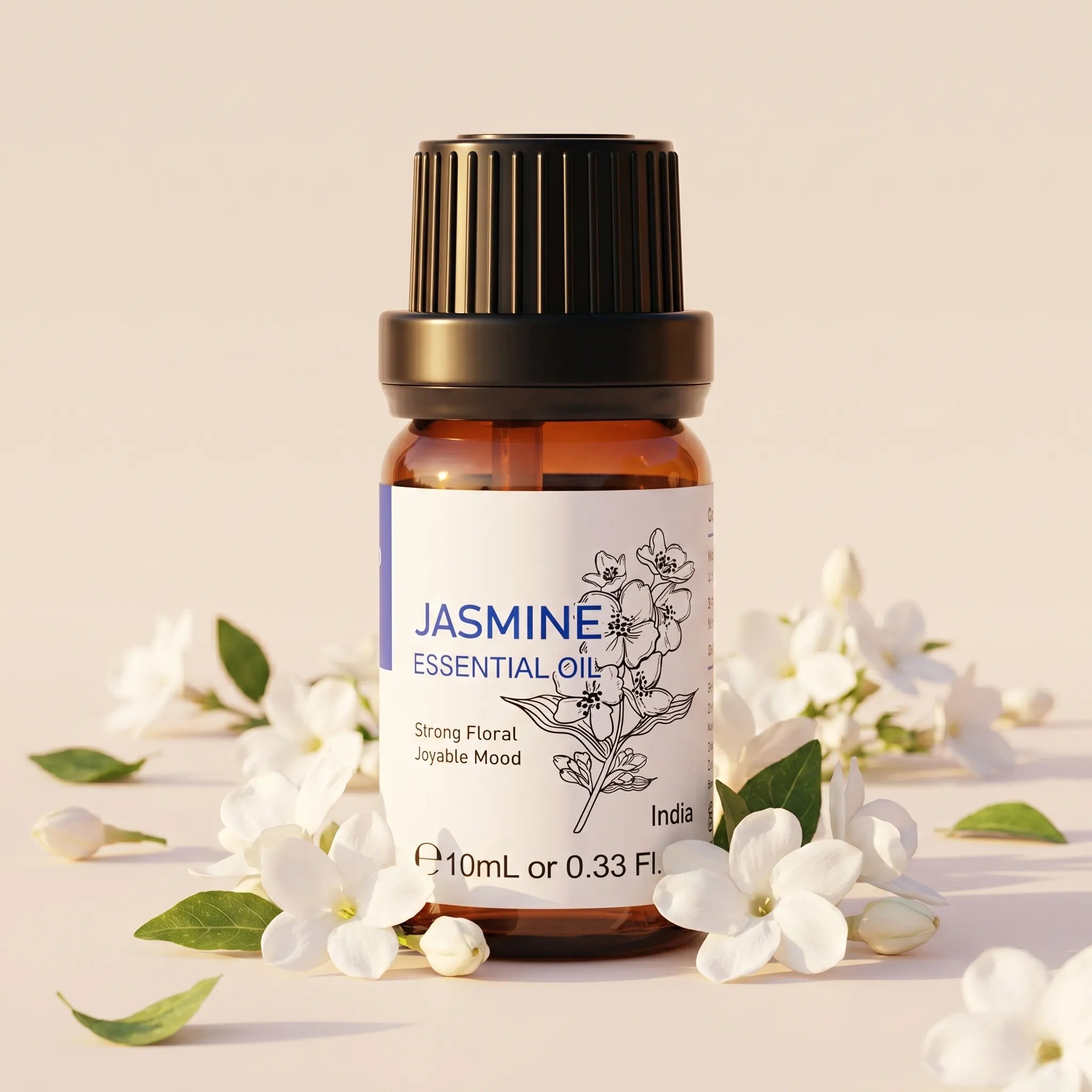
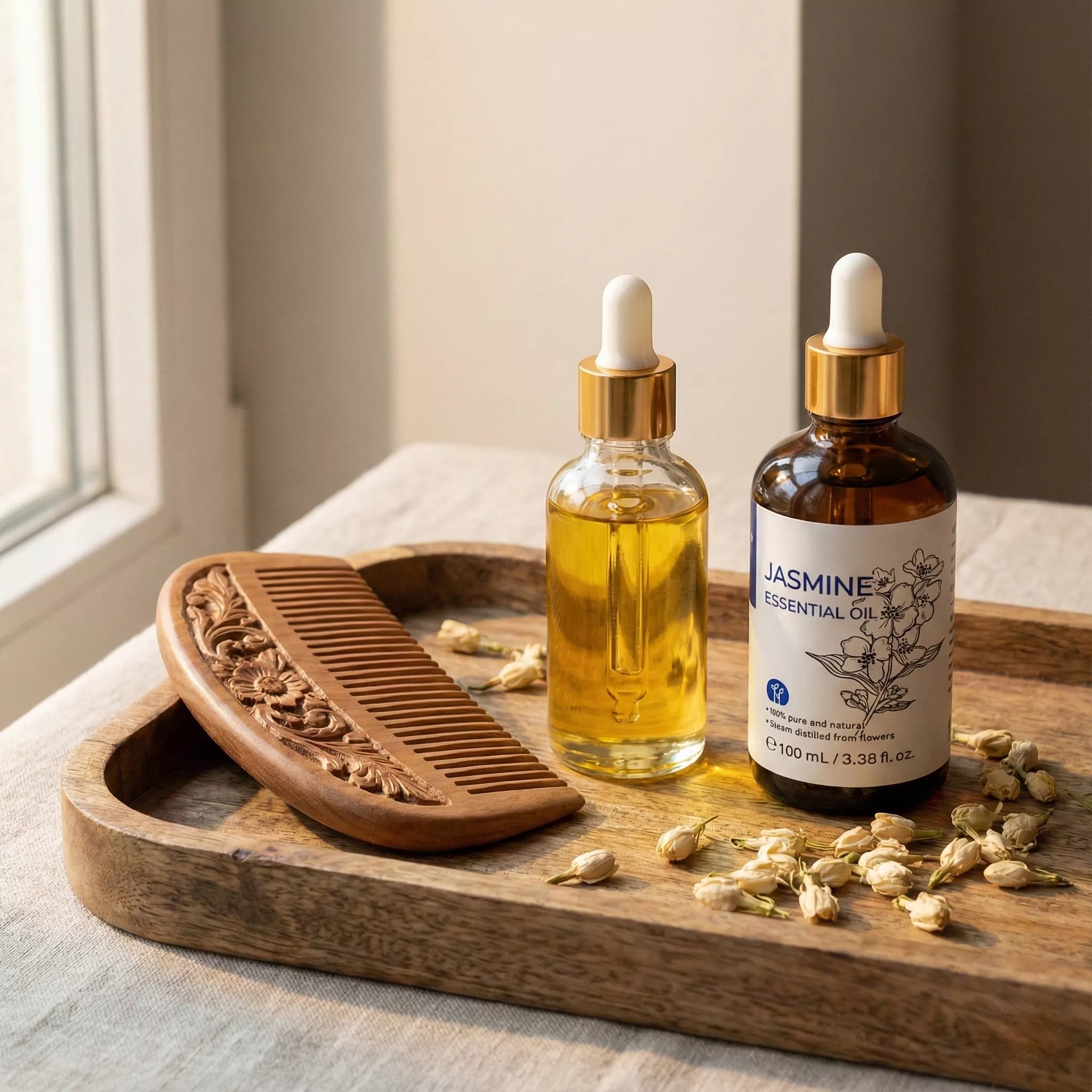
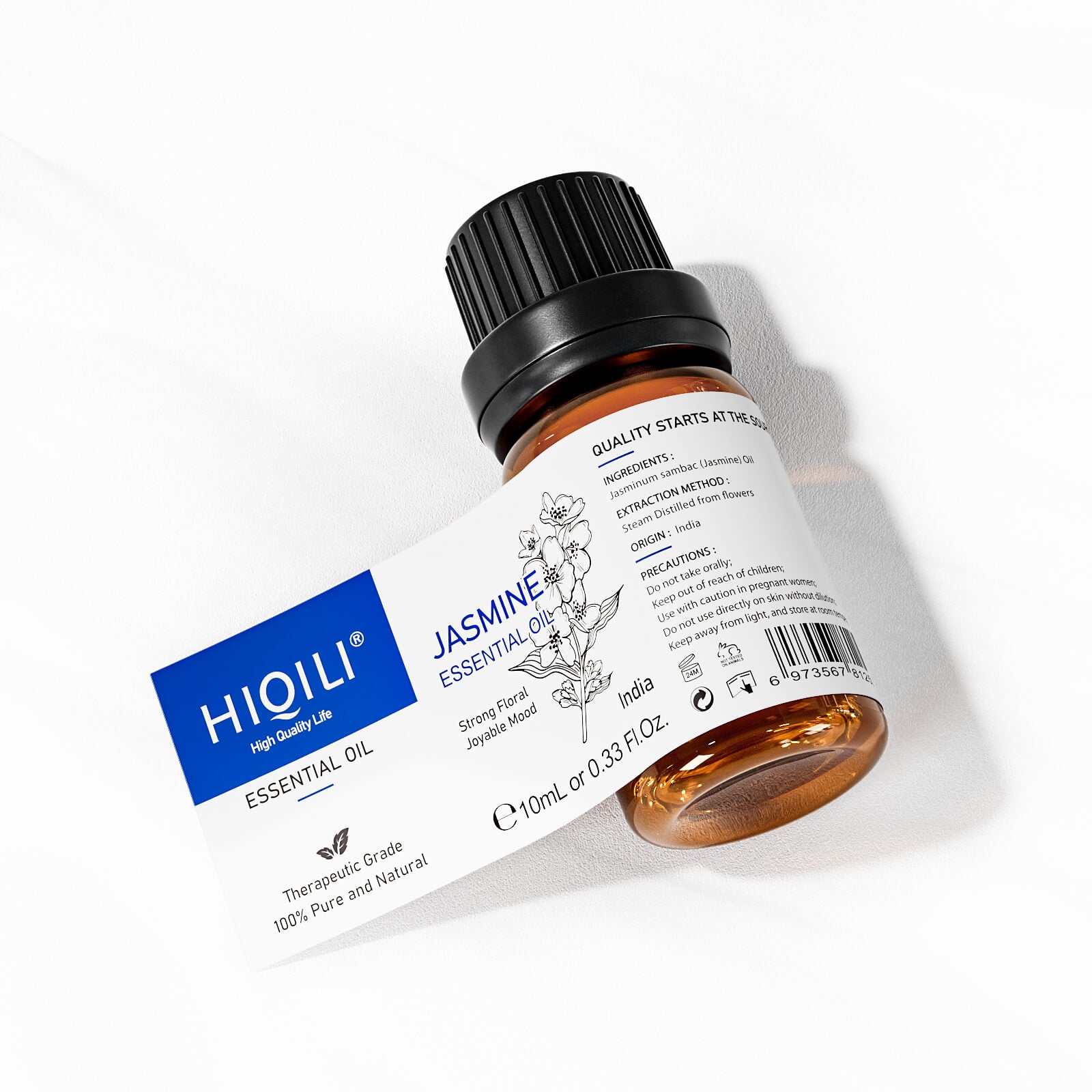
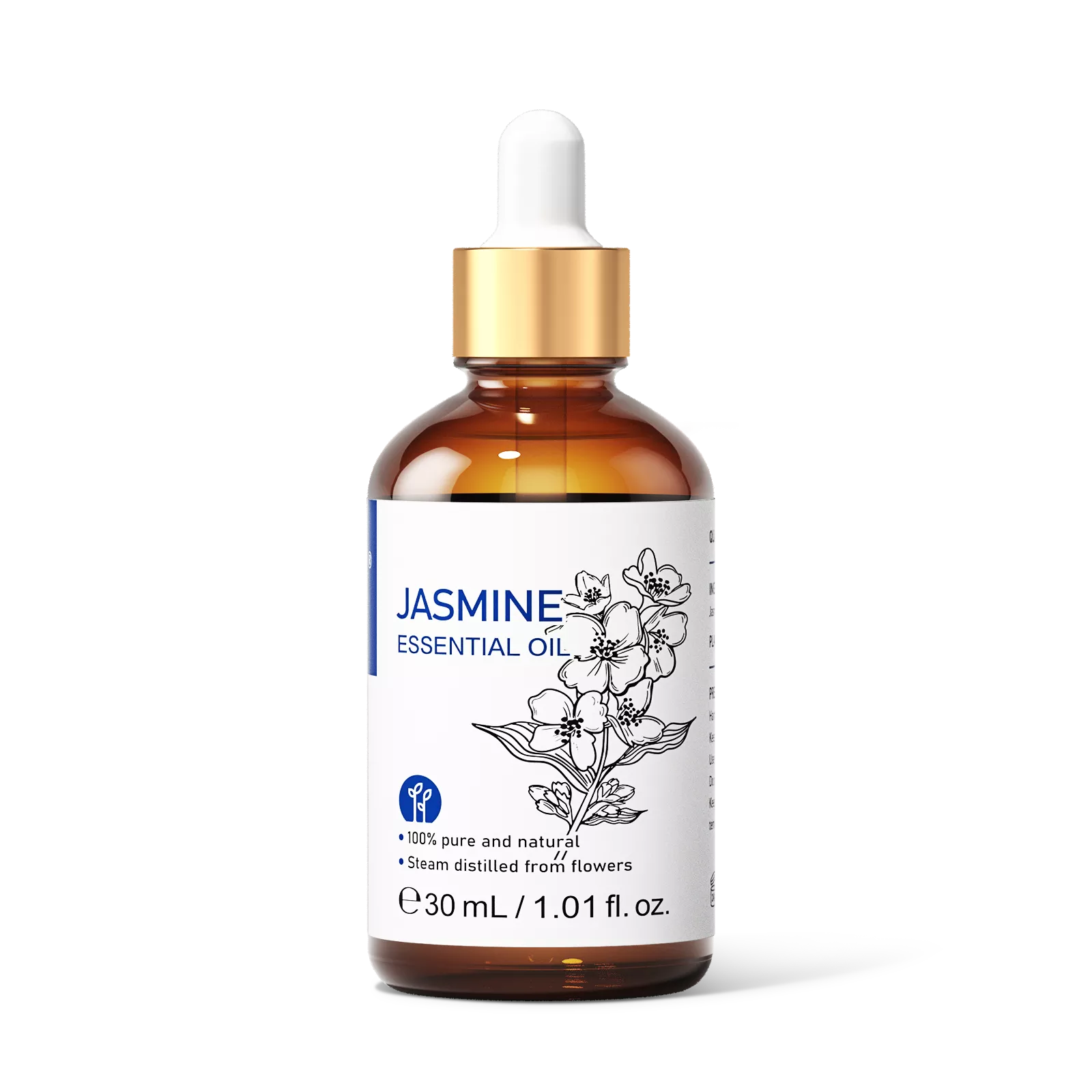
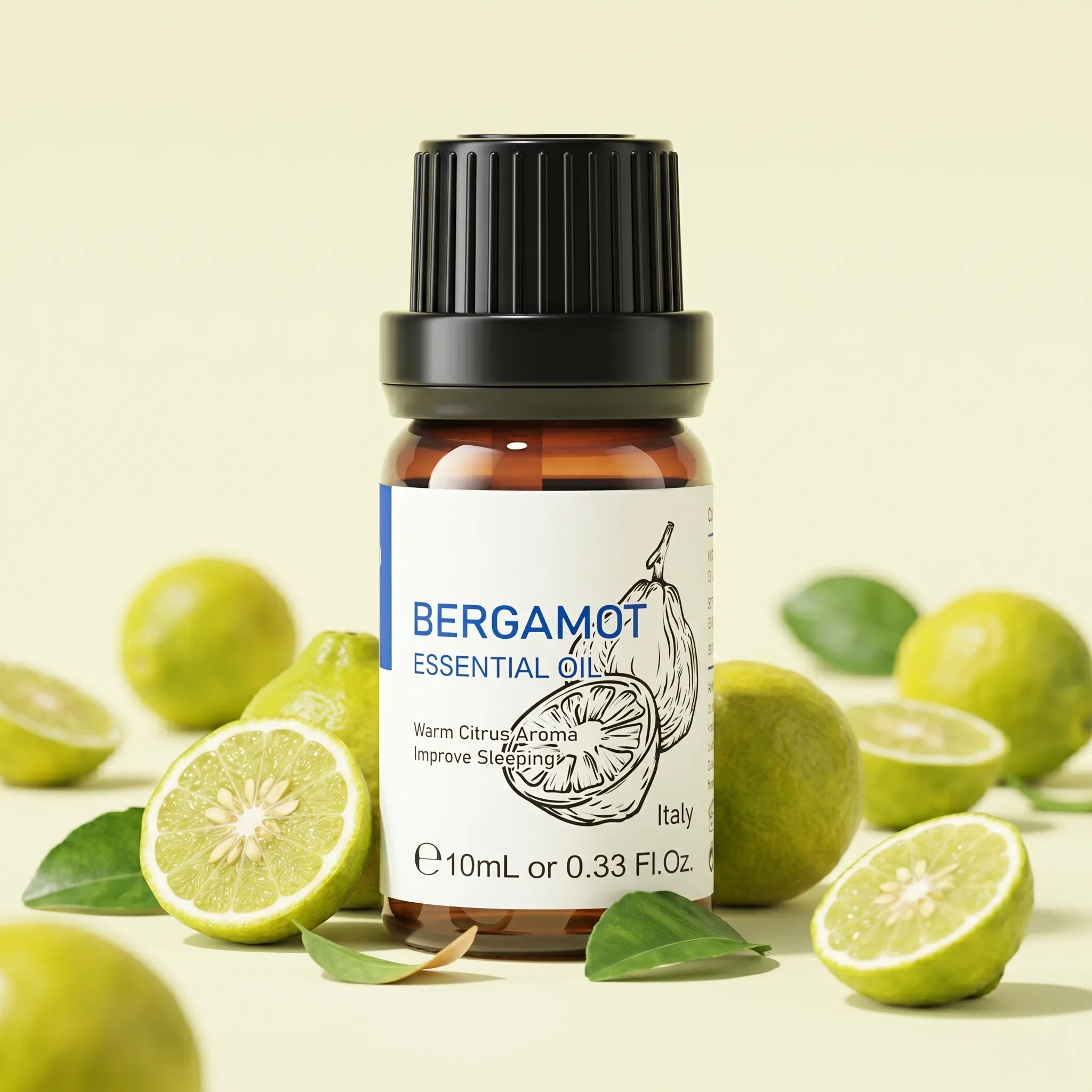
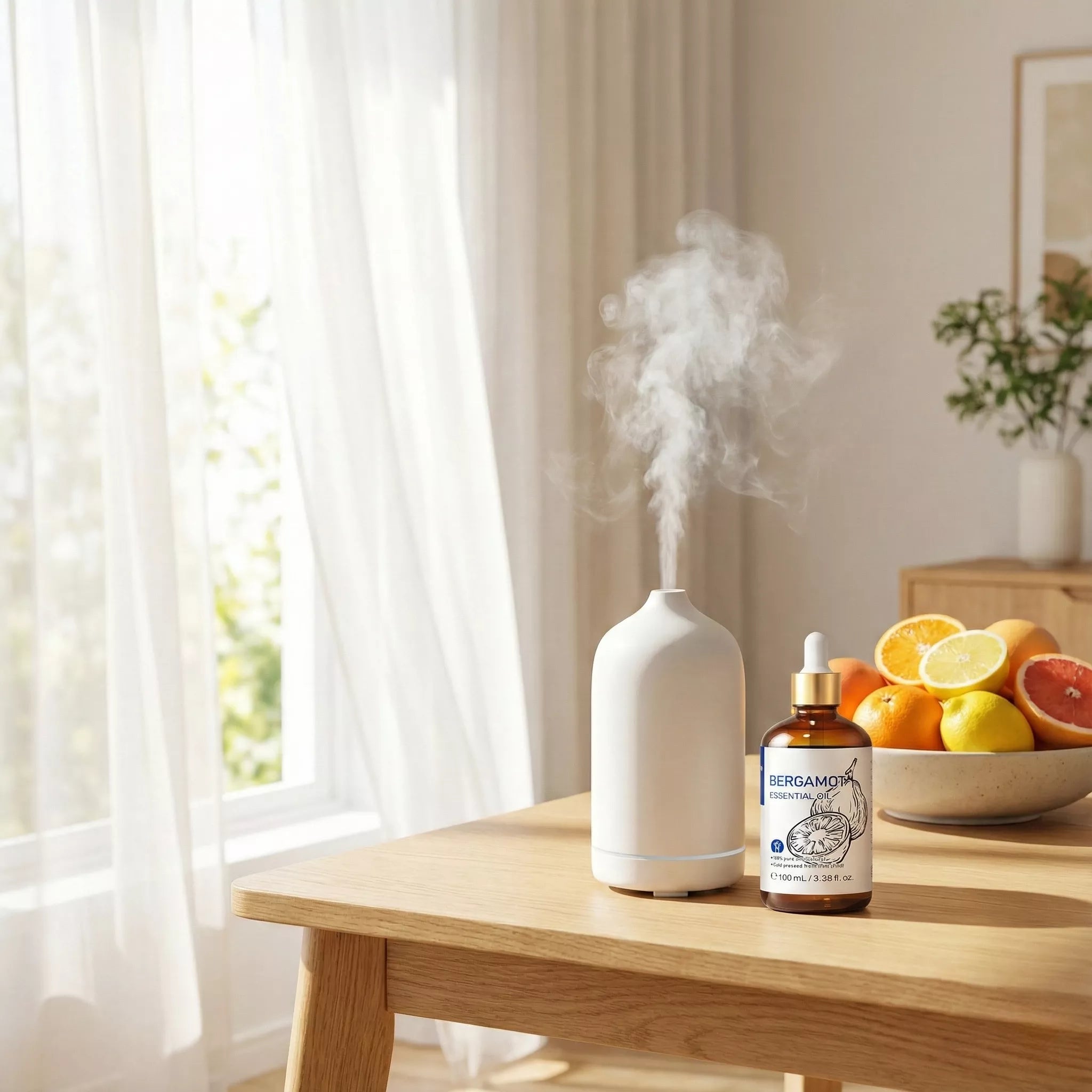
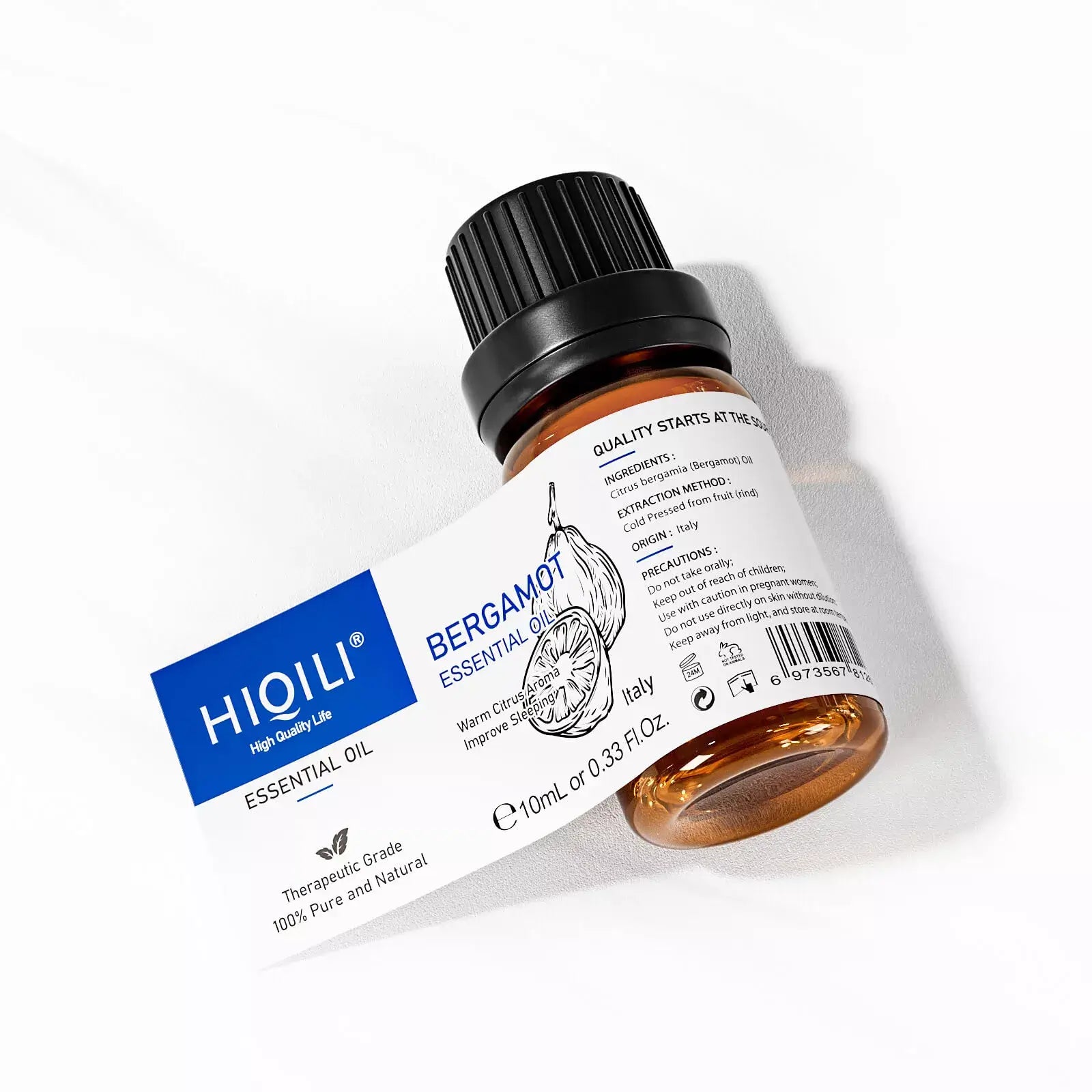
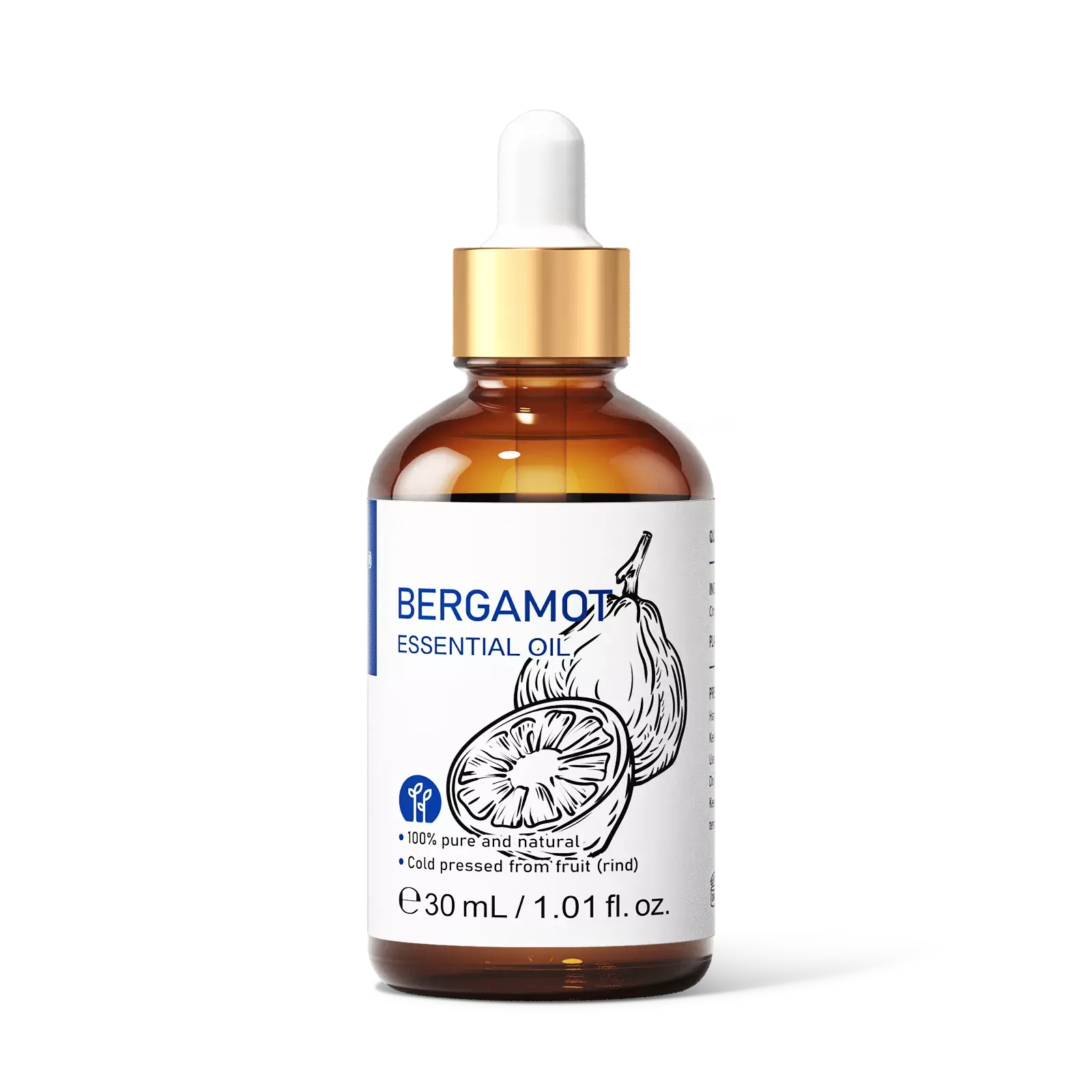
Why Choose HIQILI Single Essential Oils?
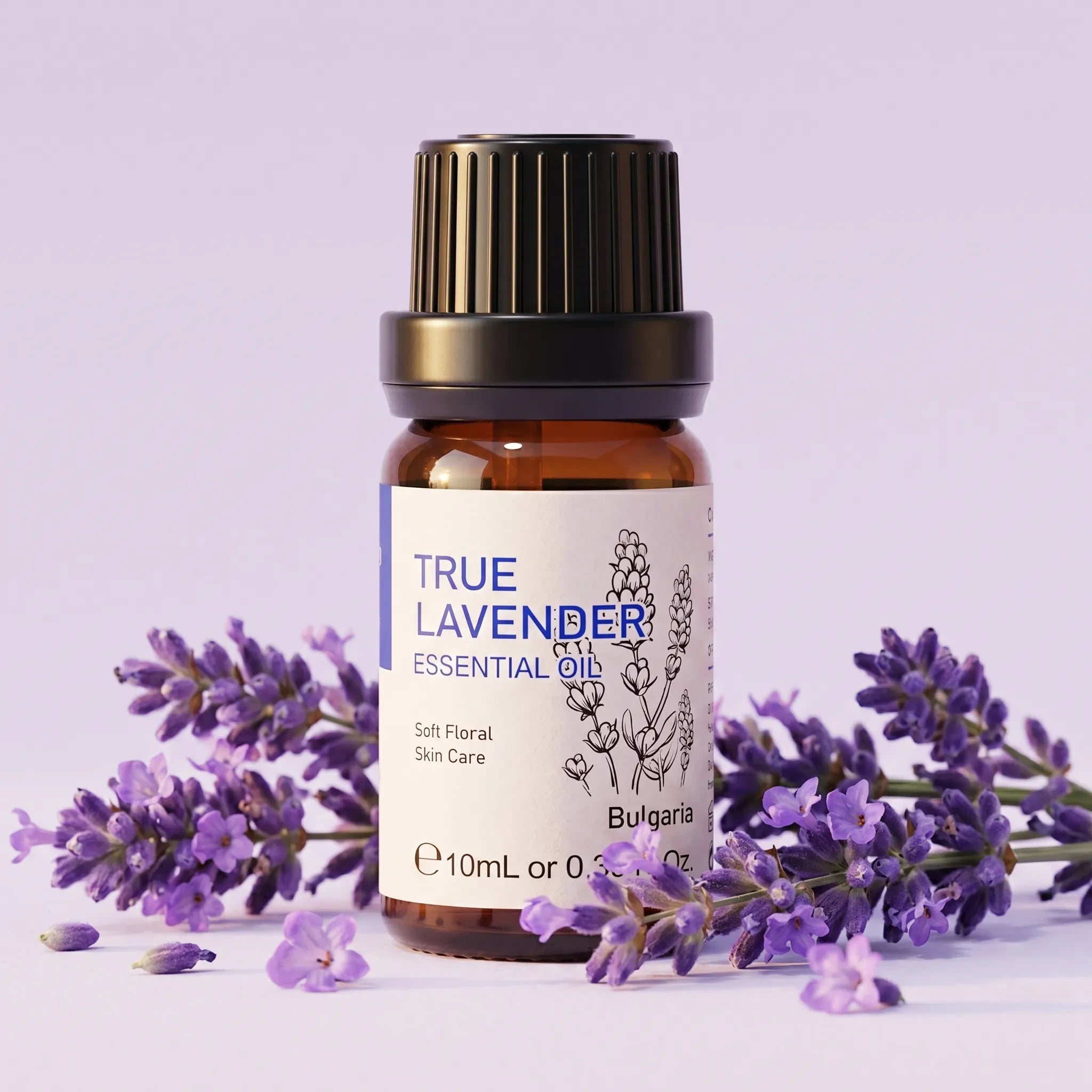
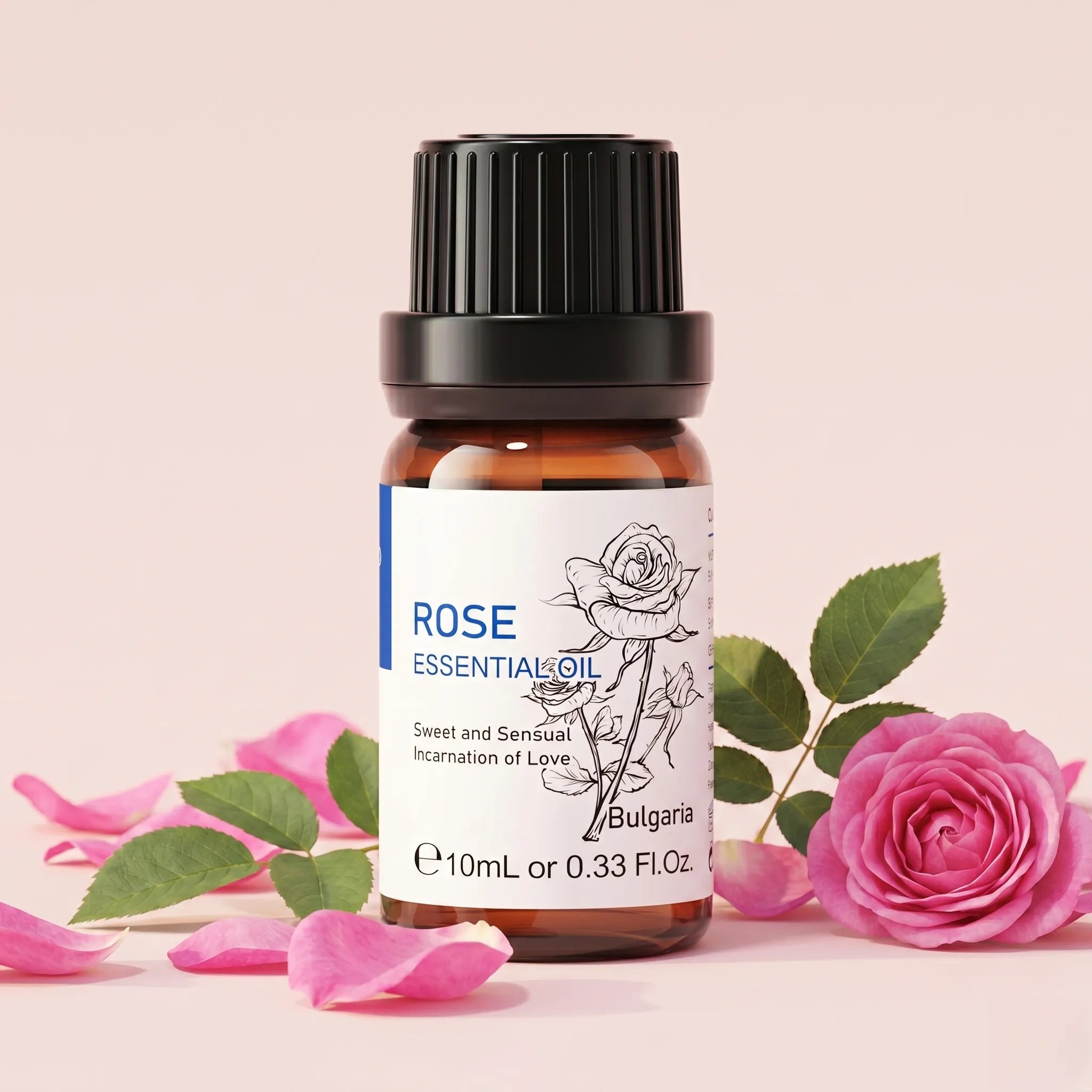
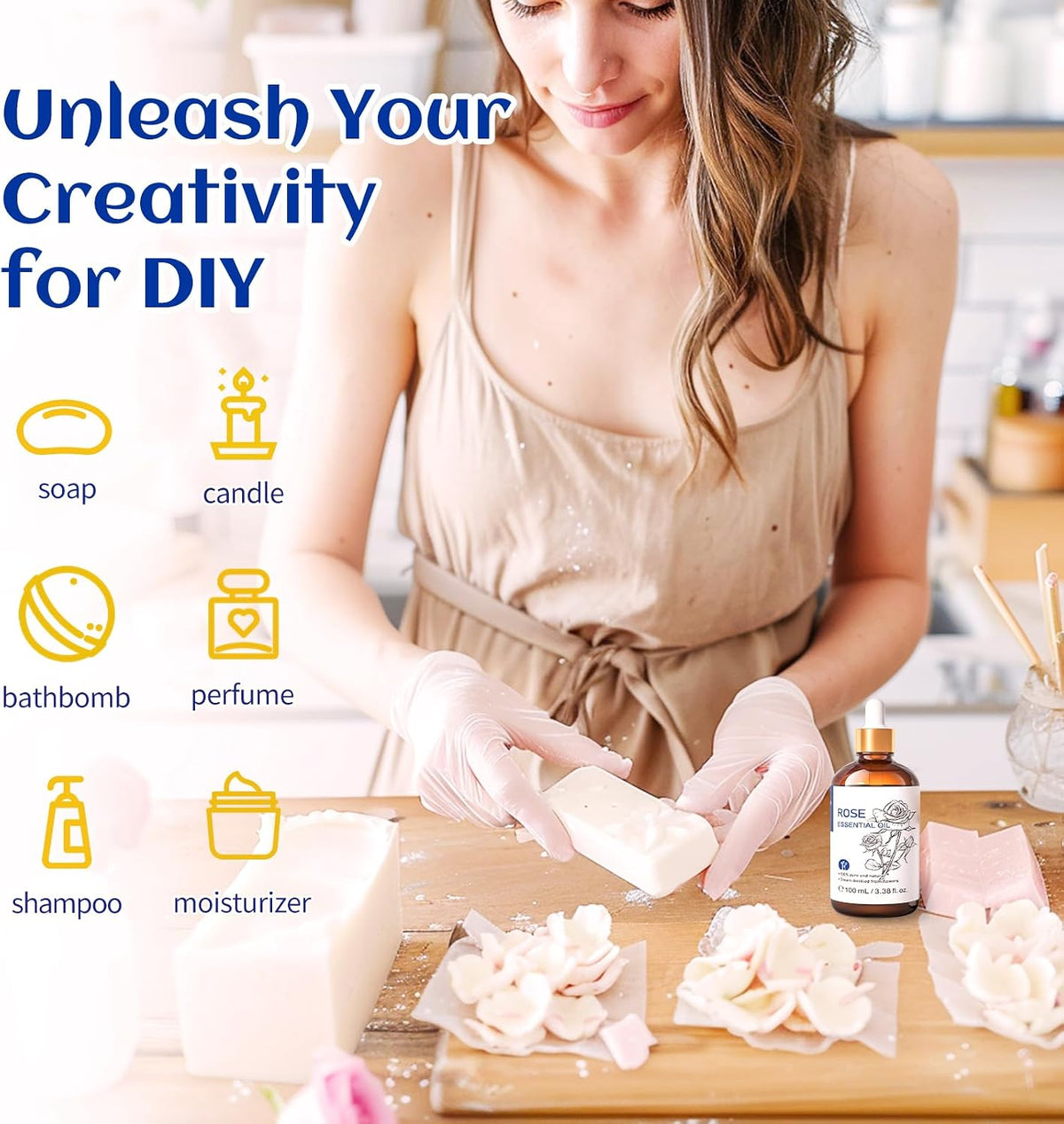
HIQILI single essential oils offer distinct plant aromas for diffusers, soap making, candles, and other DIY projects. The collection covers bright citrus, cooling herbs, soft florals, and deeper woody scents, so you can choose an oil that fits the product you are making.
Oils are available in several bottle sizes for home use, small-batch making, and larger projects. Product information is provided for each oil, with COA and MSDS documentation available for eligible products.
How to Choose an Essential Oil
Start with the intended use and the type of scent you want. Some oils work well on their own, while others are better used as one part of a blend.
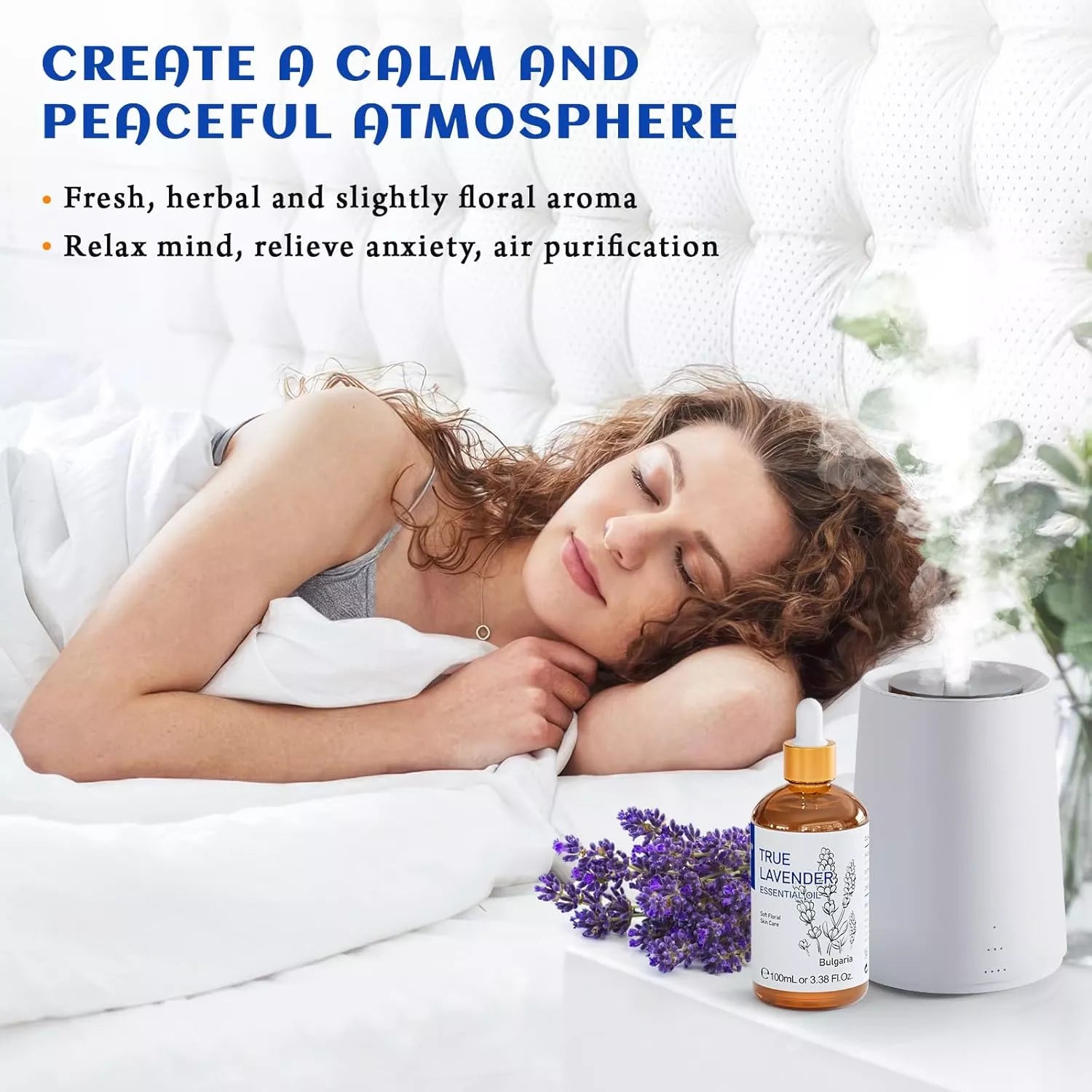
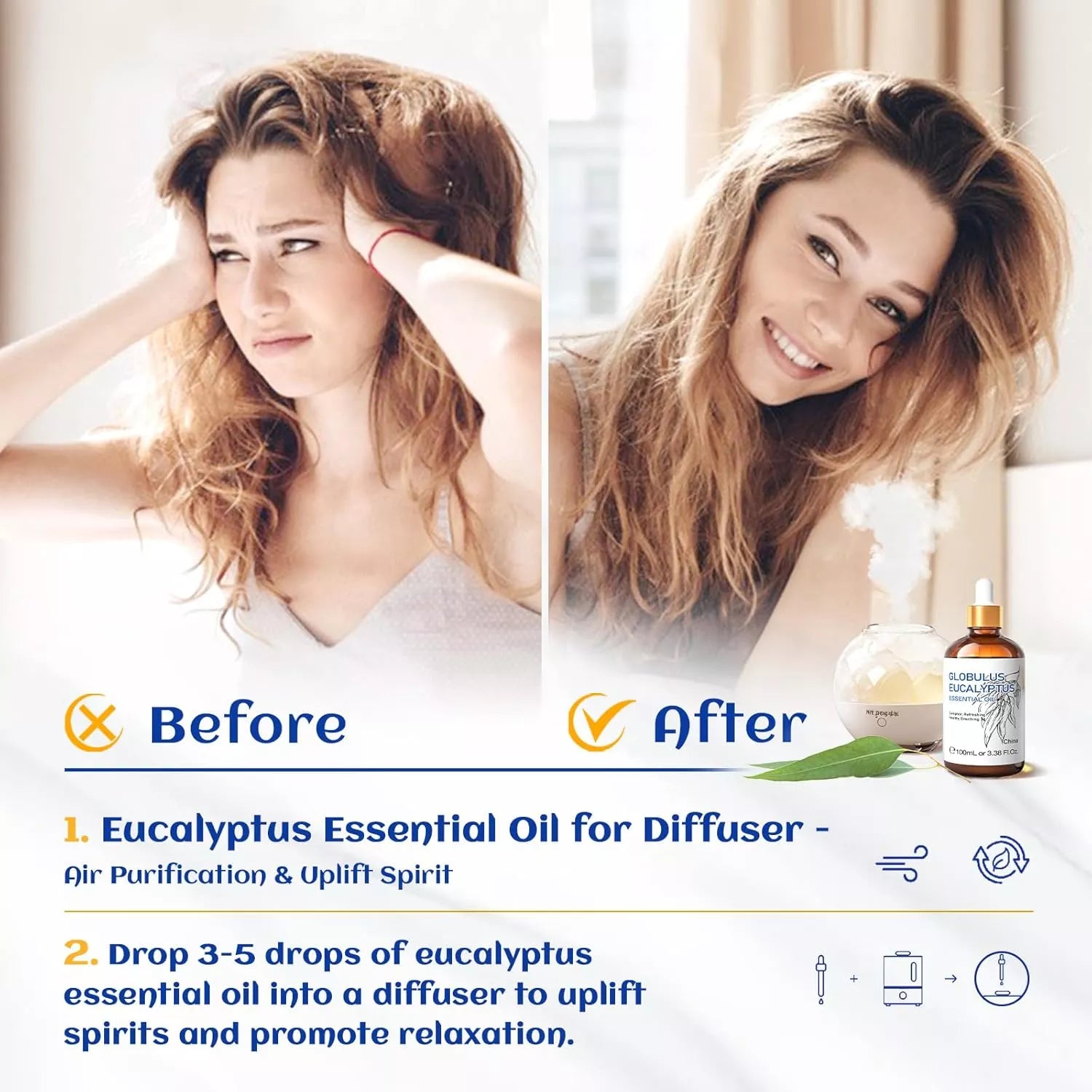
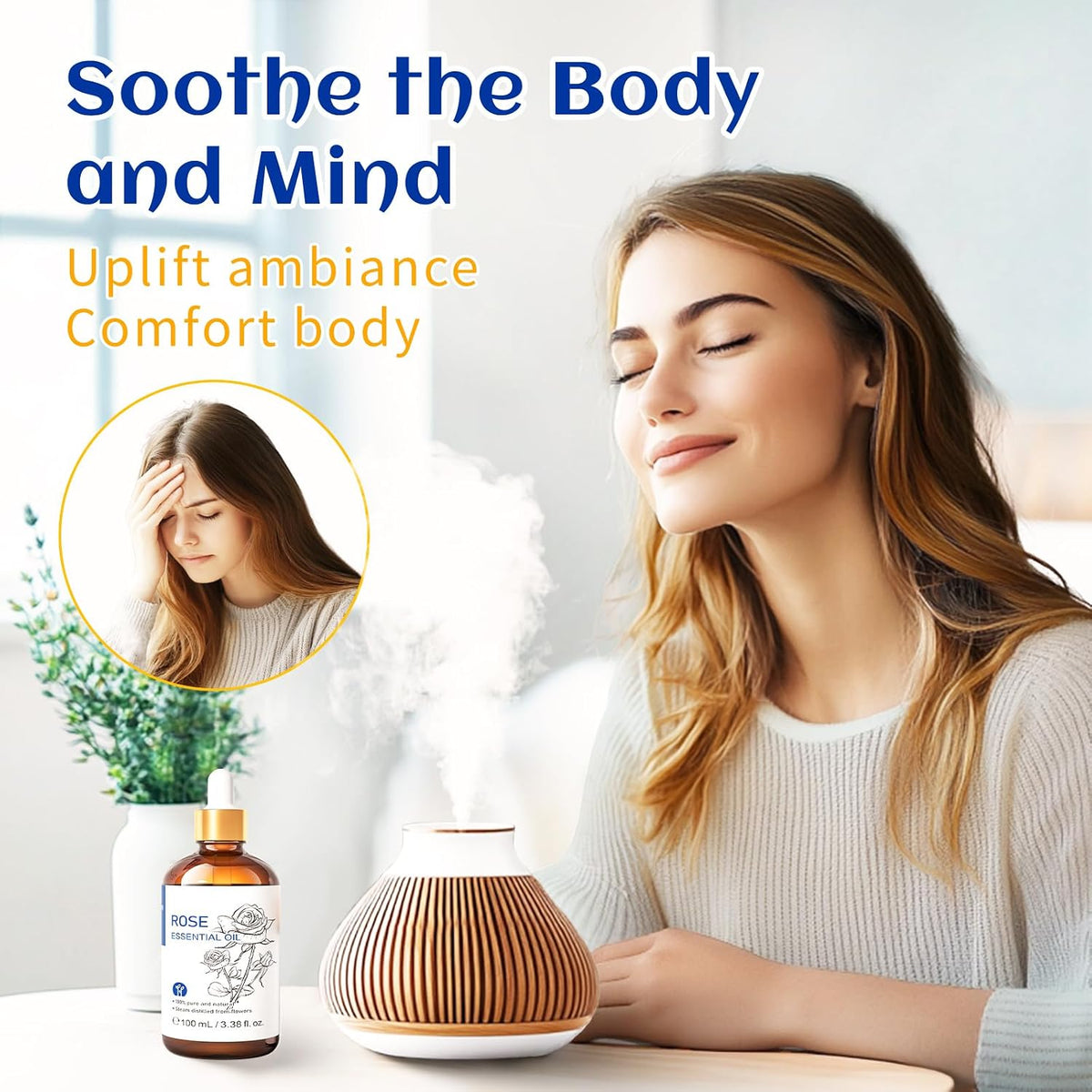
- For Diffusers: Lavender, Lemon, Peppermint, and Eucalyptus are familiar choices for floral, citrus, cooling, or herbal aromas.
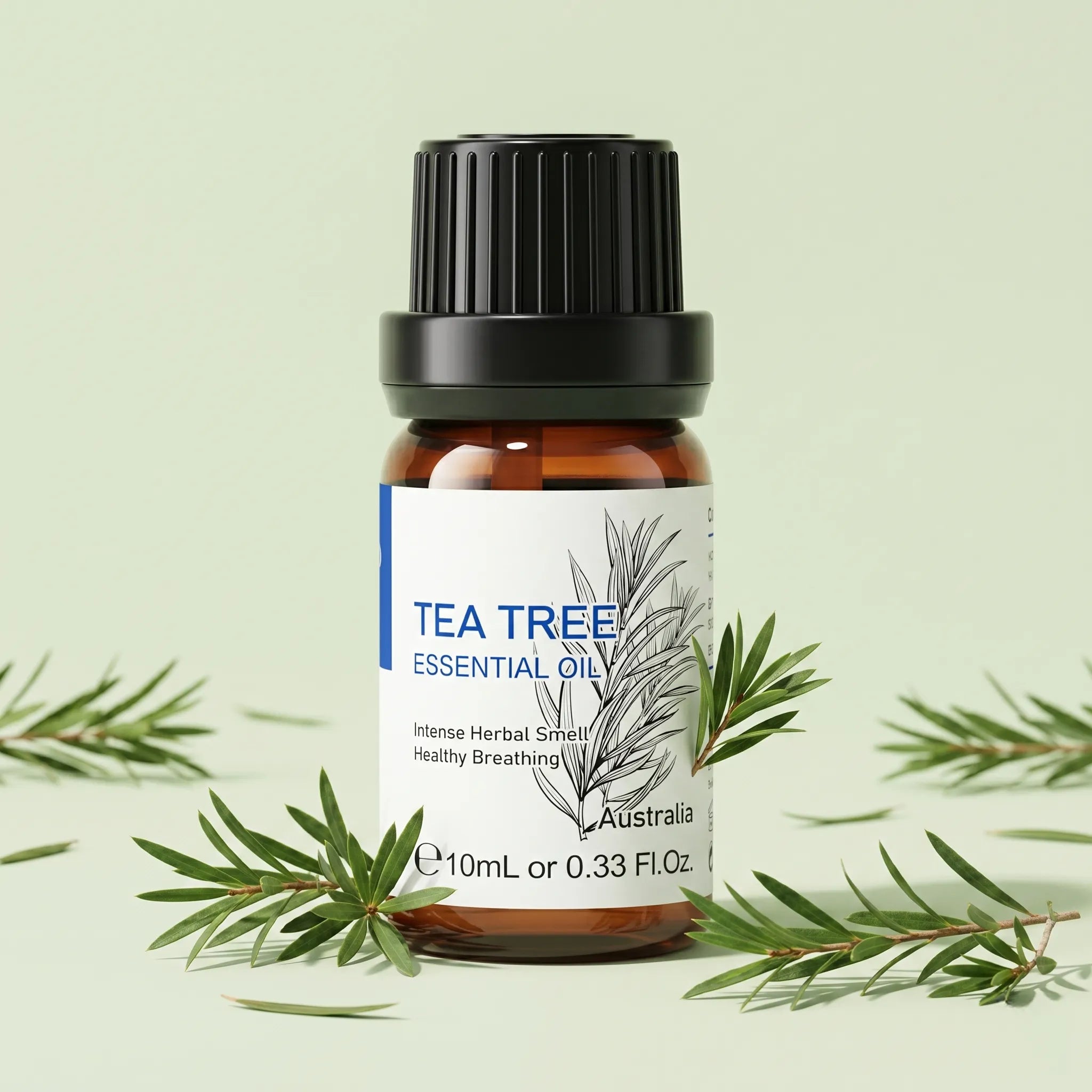
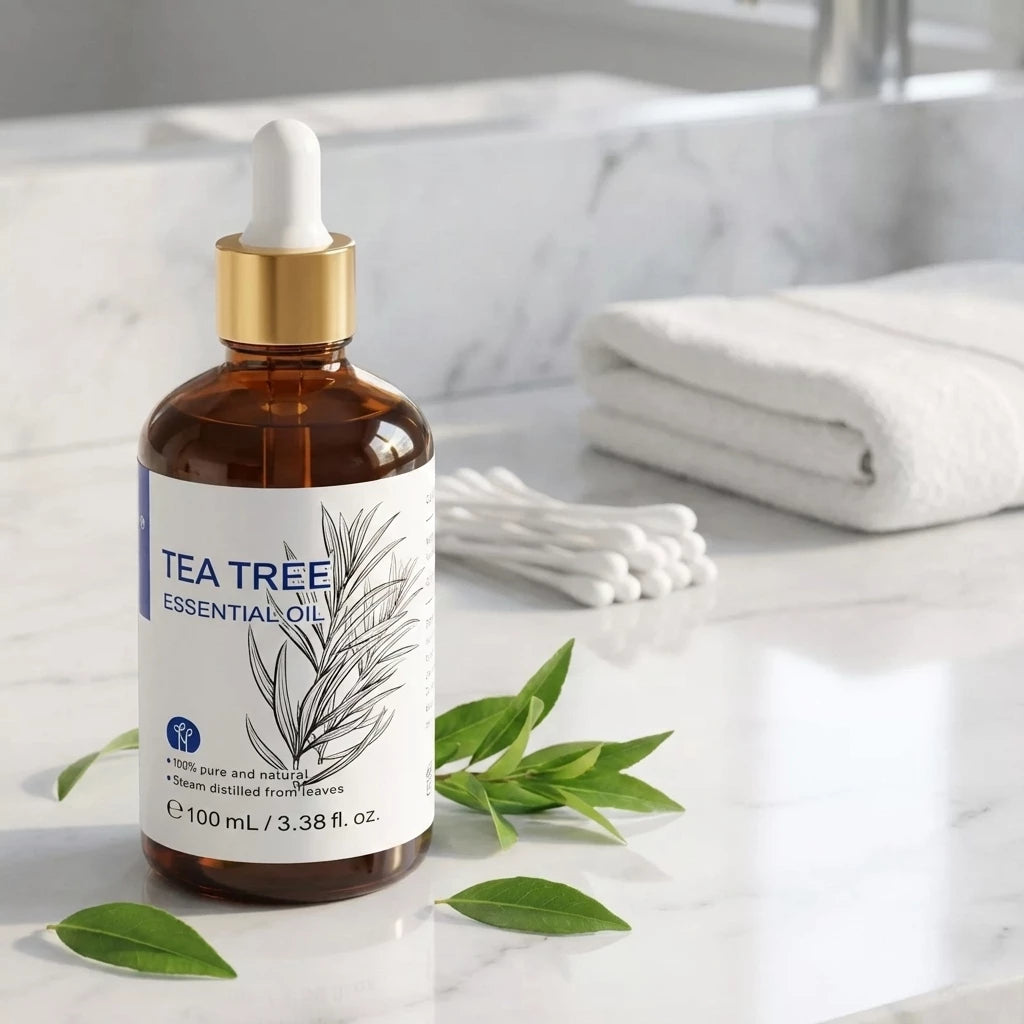
- For Soap Making: Lavender, Tea Tree, Rosemary, and Lemongrass are often used in handmade soap formulas.
- For Custom Blends: Combine top, middle, and base notes to control how a blend opens, develops, and settles.
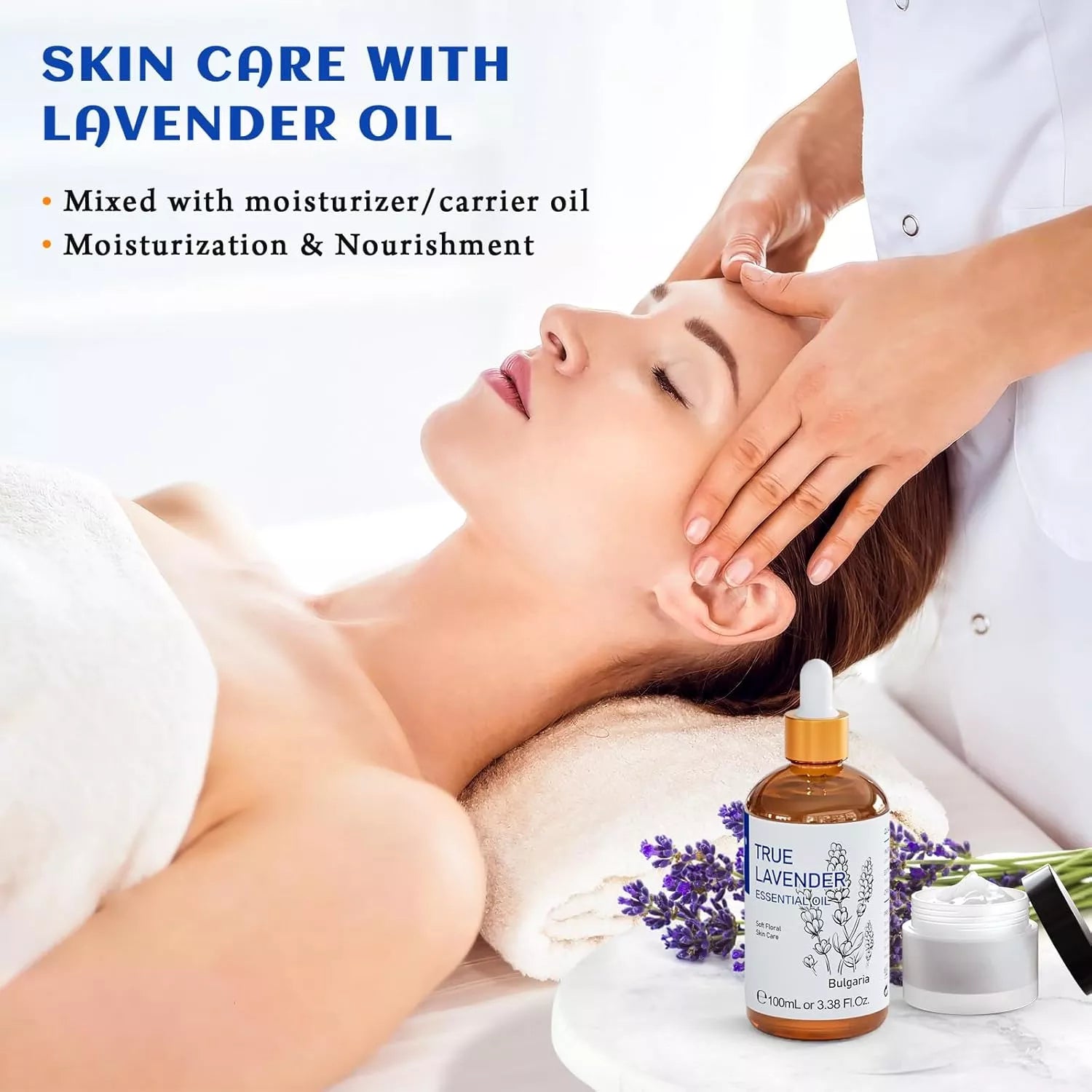
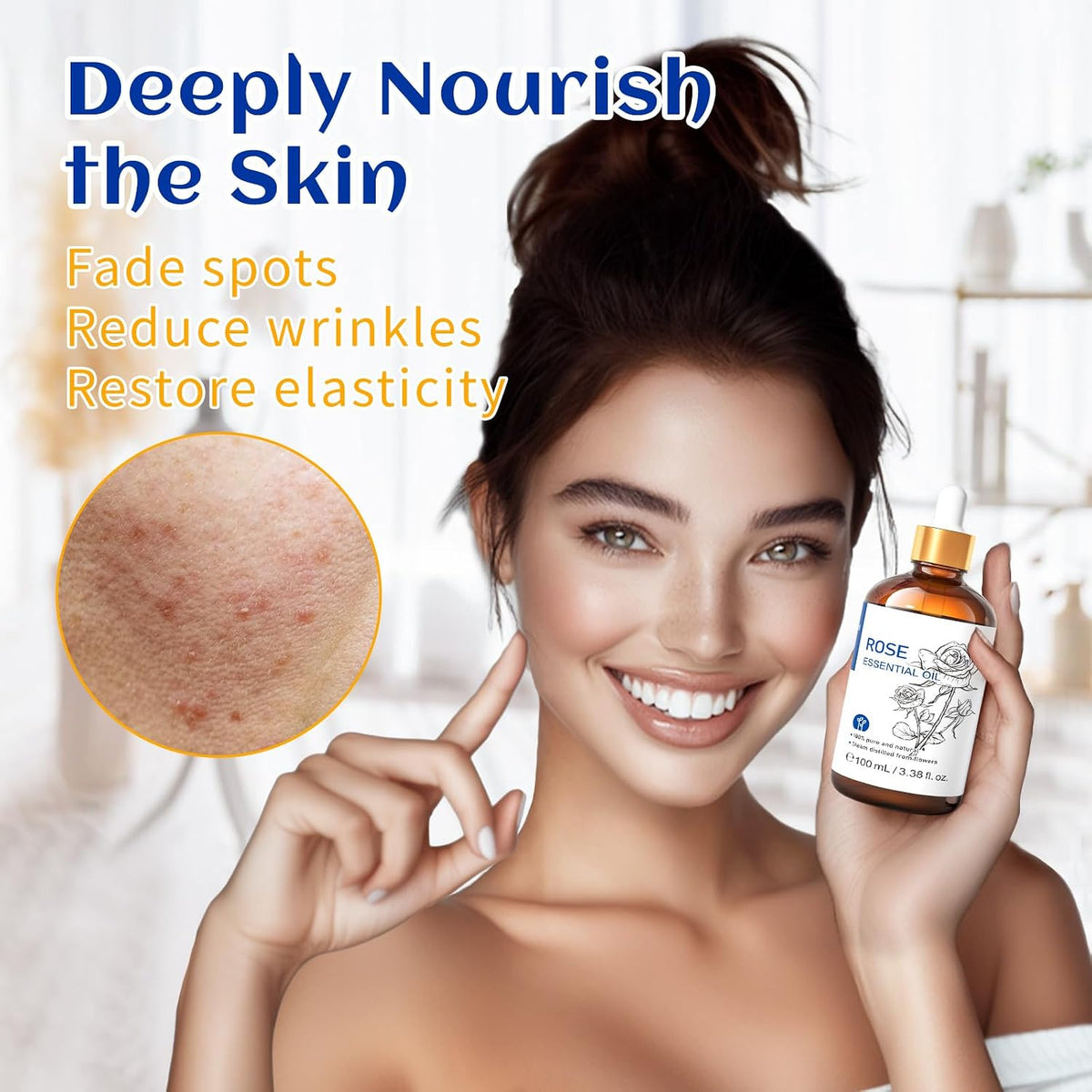
- For Personal Care: Choose an oil that is suitable for the intended product and dilute it according to a tested formula before skin application.
Essential Oils for DIY Projects
The table below offers a quick starting point for matching essential oils with common projects. Final performance will depend on the formula, base, and amount used.
| Project | Essential Oils to Consider |
|---|---|
| Diffusers & Home Fragrance | Lavender, Peppermint, Eucalyptus, Lemon, Sweet Orange |
| Soap Making | Lavender, Tea Tree, Rosemary, Lemongrass |
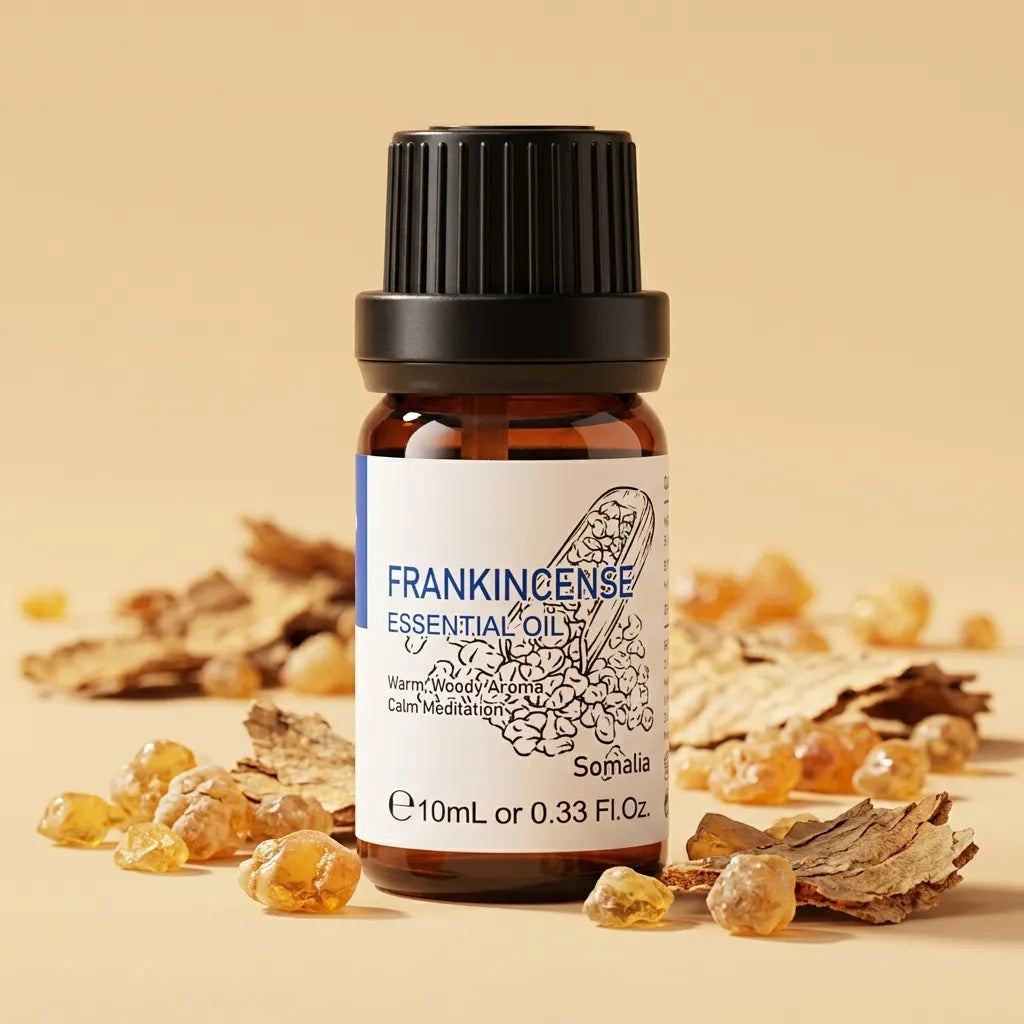
| Custom Essential Oil Blends | Bergamot, Frankincense, Cedarwood, Patchouli |
| Bath & Body Projects | Floral, citrus, and herbal essential oils used at an appropriate dilution in a tested formula |
Essential Oil vs. Fragrance Oil
Essential oils and fragrance oils are different types of scent ingredients. Essential oils are aromatic extracts obtained from plant material. Fragrance oils are formulated scent blends that may contain natural ingredients, synthetic aroma materials, or a combination of both.
| Essential Oils | Fragrance Oils | |
|---|---|---|
| Source | Aromatic extracts obtained from plant material | Formulated blends of fragrance ingredients |
| Common Uses | Diffusers, botanical scent blends, soap, and diluted personal care formulas | Candles, wax melts, soap, perfume, and home fragrance products |
| Scent Options | Aromas associated with the source plant | Fruit, floral, gourmand, perfume-inspired, and other formulated scent profiles |
If you are looking for formulated scents for candles, wax melts, or home fragrance, browse our fragrance oils collection .
Sourcing, Extraction & Documentation
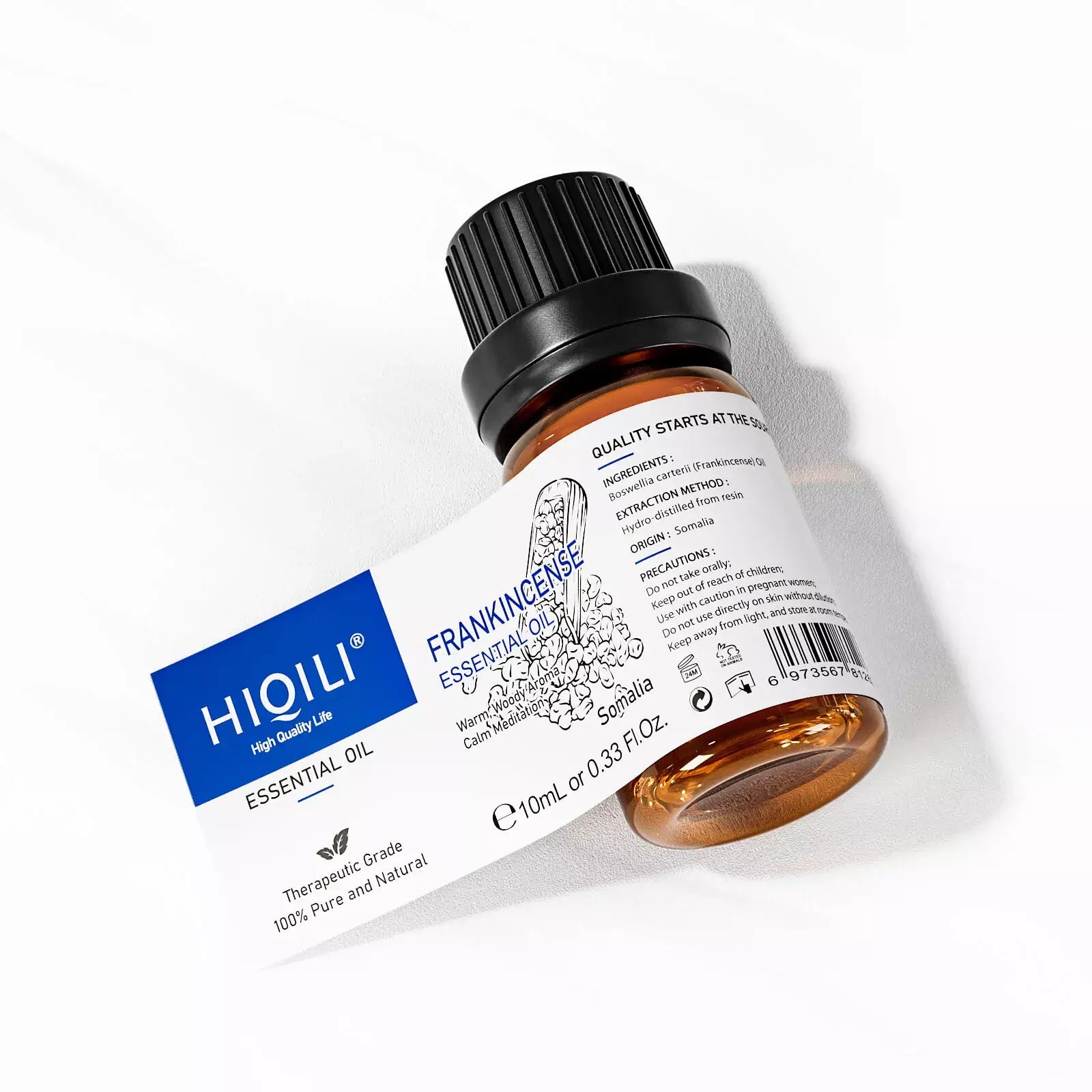
Different plants require different extraction methods. Many essential oils are steam distilled, while citrus peel oils are commonly cold pressed. Check the individual product page for details about the oil you plan to use.
- Plant-derived aromatic oils from selected botanical sources
- Steam-distilled or cold-pressed options, depending on the plant material
- COA and MSDS documentation available for eligible products
- Multiple bottle sizes for personal projects and business use
How to Use Essential Oils Safely
Essential oils are concentrated. Follow the directions for the specific oil and finished product, and do not assume that every essential oil is suitable for every application.
- Diffuser Use: Add the amount recommended by the diffuser manufacturer. Use the diffuser in a ventilated space.
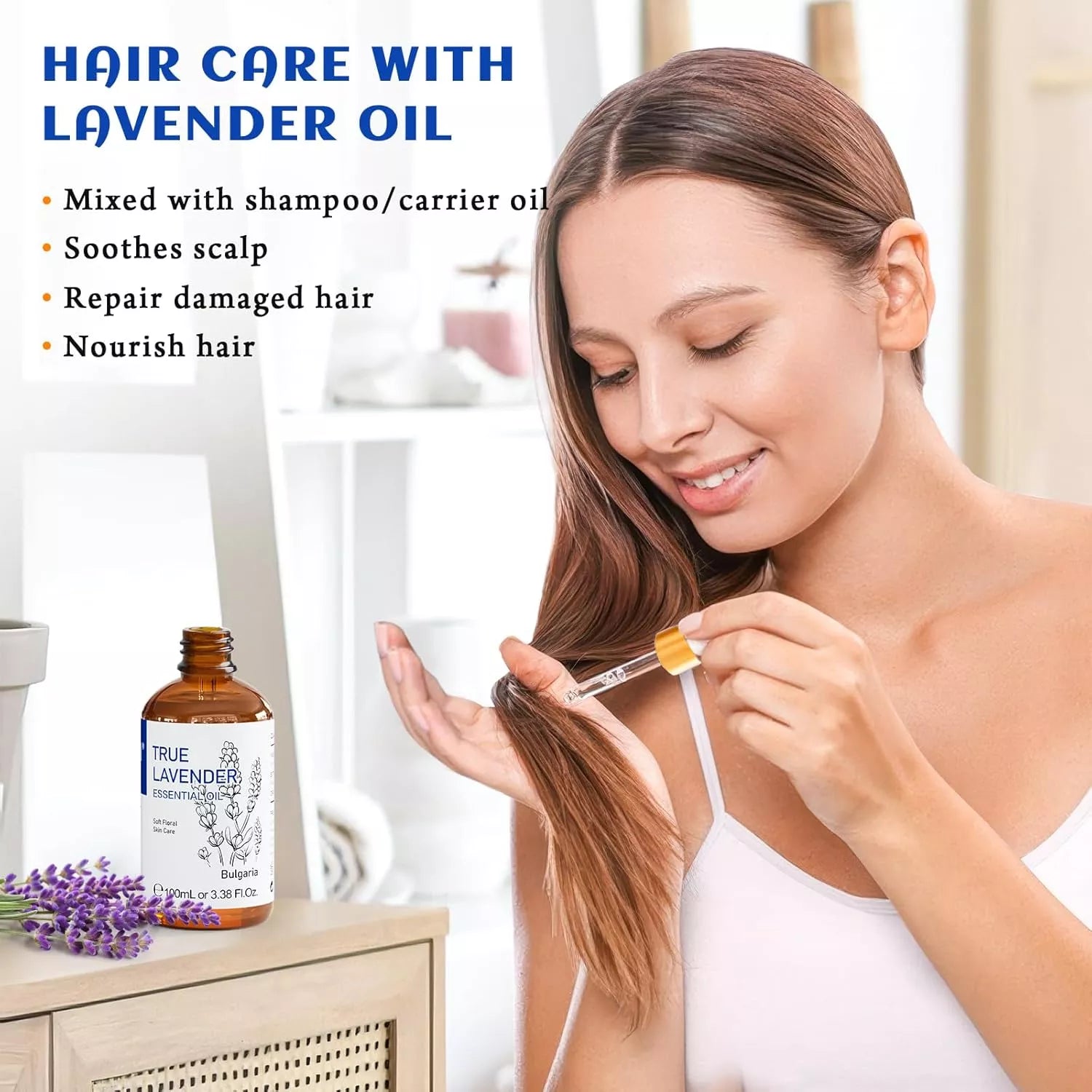
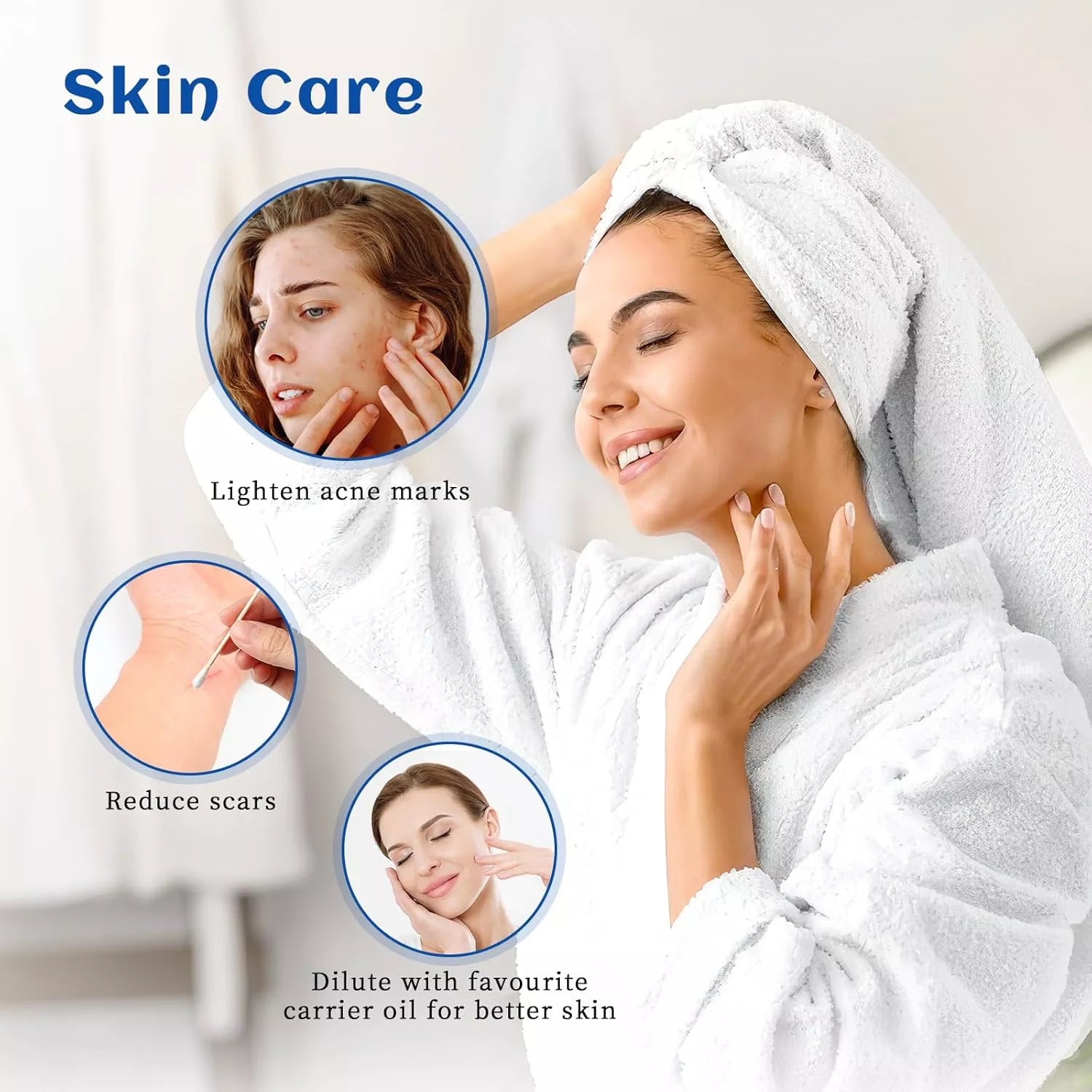
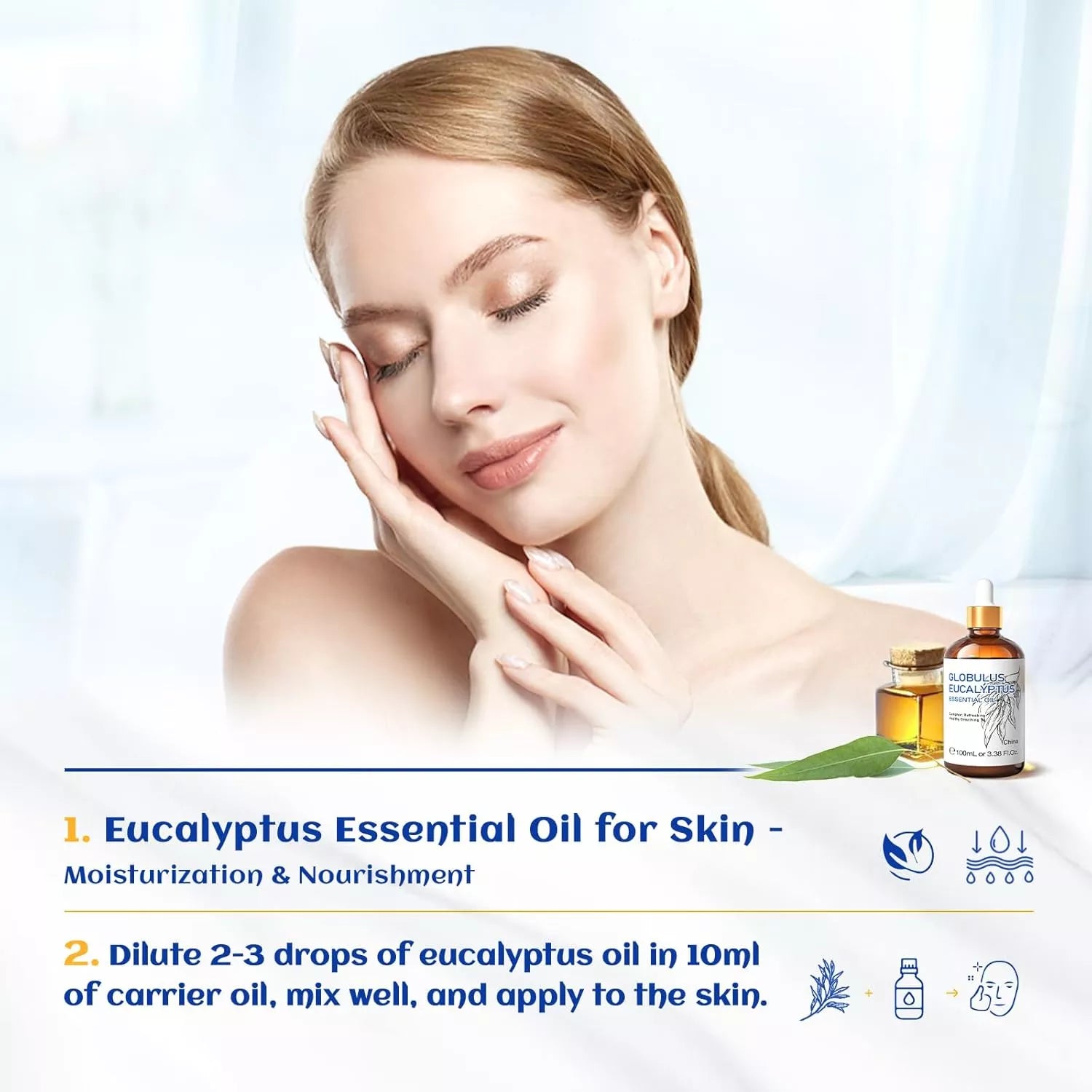
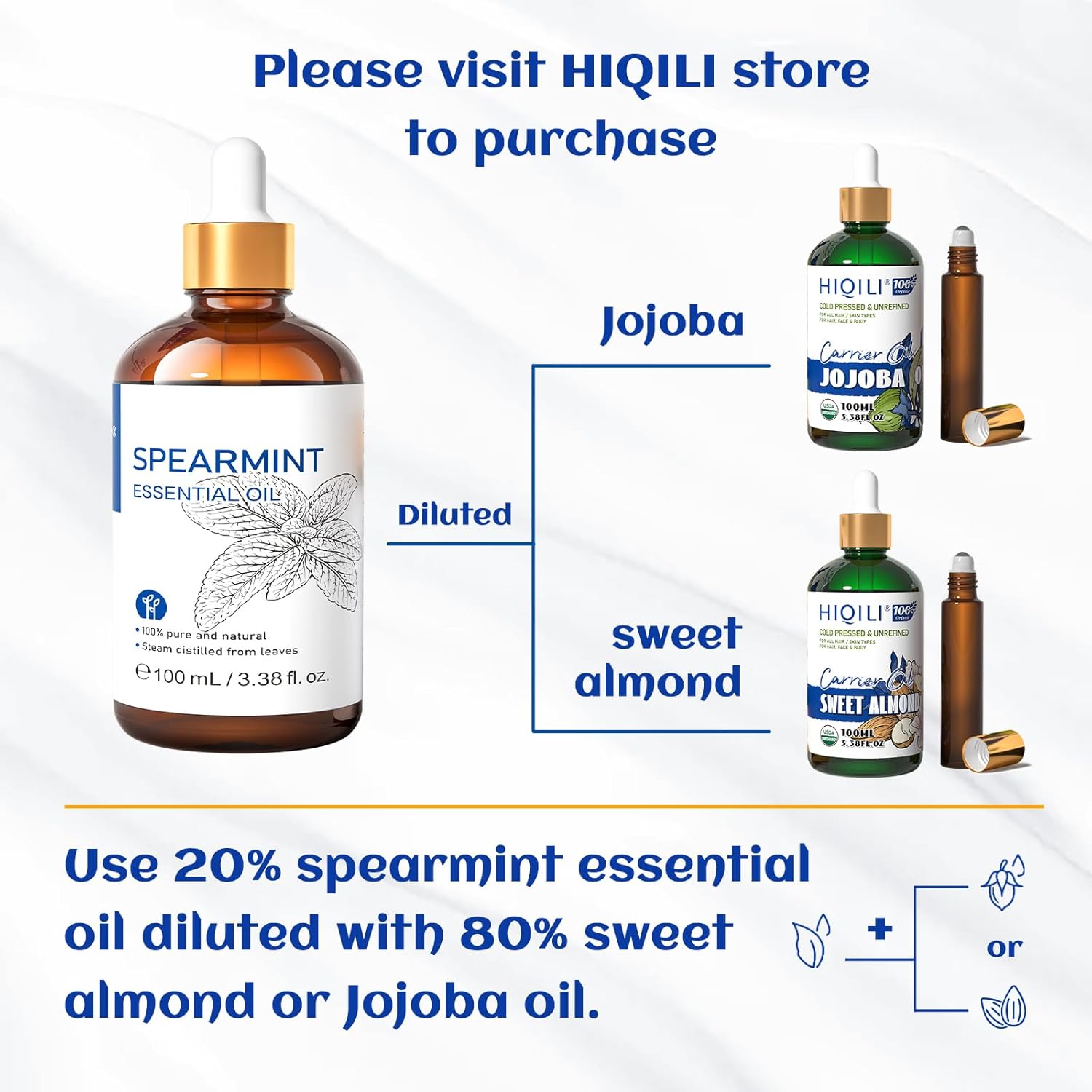
- Skin & Hair Products: Dilute the essential oil in a suitable carrier oil such as Jojoba Oil or Sweet Almond Oil or add it to a properly formulated cosmetic base. Patch-test the finished product before wider use.
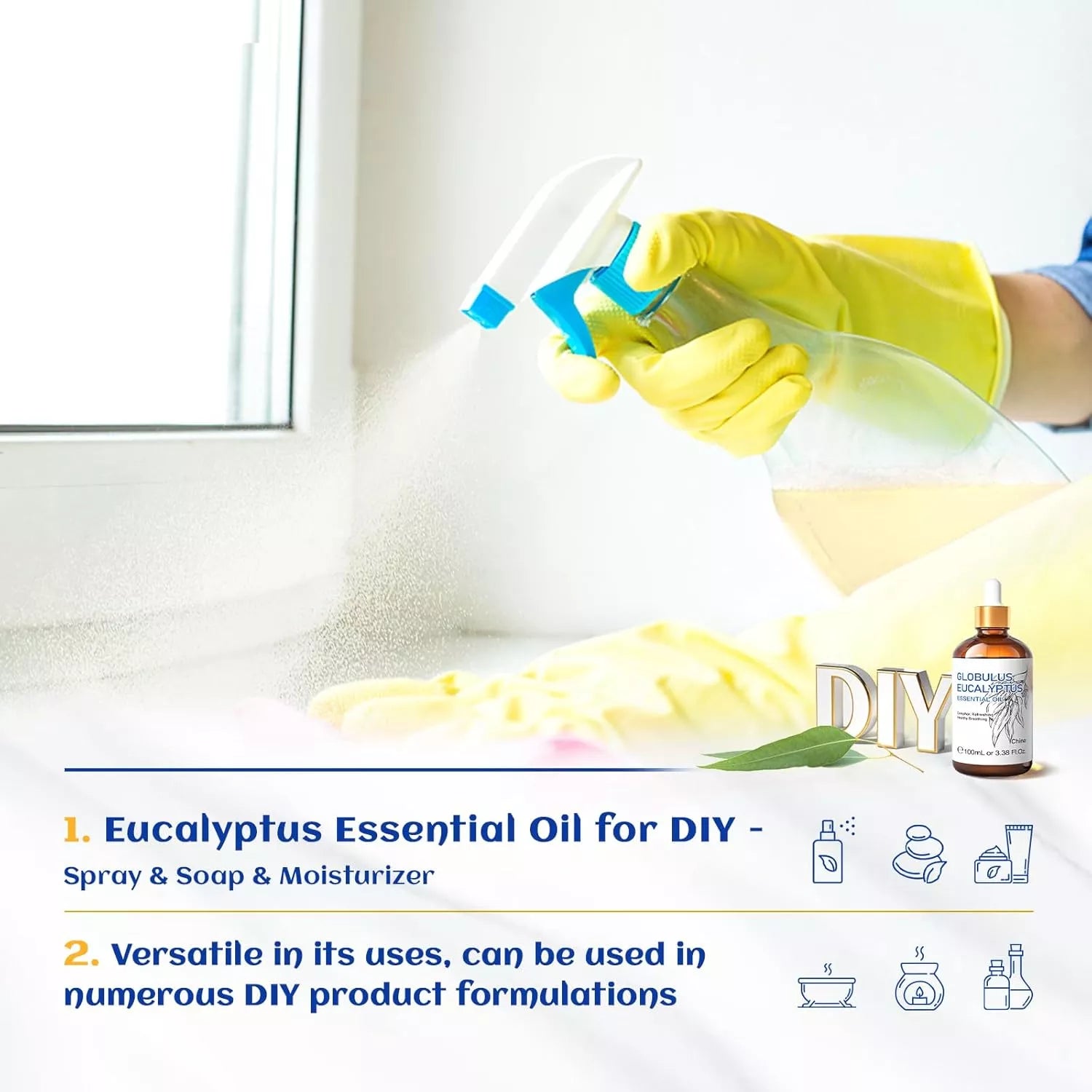
- Soap, Bath & DIY Projects: Follow a tested formula and the recommended limit for the particular essential oil and application.
A 30/50/20 Starting Point for Essential Oil Blends
The 30/50/20 approach is a simple starting point for arranging top, middle, and base notes. It is not a fixed rule, so adjust the proportions after testing the blend.
- 30% Top Notes: Bright, quick-opening scents such as Lemon or Peppermint.
- 50% Middle Notes: Oils such as Lavender or Rosemary that form the main body of the blend.
- 20% Base Notes: Slower, deeper scents such as Cedarwood or Patchouli.
Make a small trial first and record the number of drops or weight of each oil. Let the blend rest before evaluating it again, since the aroma may change after the oils have had time to combine.
More Oils for DIY Projects
Browse related oils and sets for blending, dilution, and fragrance making:
Frequently Asked Questions (FAQs)
What are single essential oils?
Single essential oils come from one botanical source rather than a blend of several oils. Each one carries the characteristic aroma of its source plant and can be used alone or combined with other oils in diffusers and DIY projects.
How do I use essential oils in a diffuser?
Add the amount recommended by your diffuser manufacturer. Lavender, Peppermint, Eucalyptus, Lemon, and other citrus oils are common choices.
Start with a small amount and add more only if needed, especially in a smaller room.
Can essential oils be used for candle making?
Some essential oils can be used in candles, but scent throw and stability vary by oil, wax, and formula. Test a small batch before making a larger quantity.
For a stronger or more consistent candle scent, many makers use fragrance oils formulated specifically for candle making.
Can essential oils be used for soap making?
Yes. Essential oils are often used to scent handmade soap. Follow a tested recipe and check the recommended usage limit for the specific oil and type of soap.
Are HIQILI essential oils tested?
Product documentation, including IFRA51, COA and MSDS files, is available for eligible HIQILI essential oils. Testing information and available documents vary by product, so check the individual product listing for details.
How do I dilute essential oils for skin use?
Mix essential oils with a carrier oil before applying them to skin. Start with a low dilution, especially when trying a new oil, and patch test the finished blend. Stop using it if you experience redness, itching, burning, or other discomfort.
What is a carrier oil, and why do I need one?
A carrier oil is a plant-based oil used to dilute essential oils for topical use. It helps the blend spread more evenly and reduces the risk of irritation from applying concentrated essential oils directly to skin.
Can I put essential oils in a humidifier?
Only use oils in a humidifier if the manufacturer specifically states that the device is designed for them. A standard humidifier and an essential-oil diffuser are not the same thing. For scenting, a purpose-built diffuser is usually the better choice.
Do essential oils expire?
Essential oils can change over time, especially when exposed to heat, air, or sunlight. Store bottles tightly closed in a cool, dark place. If an oil has developed a noticeably different smell, color, or texture, do not use it in a skin blend.
Are HIQILI essential oils safe to use around pets?
Do not assume that an essential oil is safe for every pet. Keep oils and diffusers out of reach, avoid direct application to animals, and use good ventilation. Ask a veterinarian who understands your pet's species, age, and health history when in doubt.
What essential oils smell best together?
Pairing oils is an art! Here are some classic combinations:
•For Sleep:Lavender + Cedarwood + Bergamot.
•For Energy:Peppermint + Sweet Orange.
•For Freshness:Lemon + Eucalyptus + Tea Tree.
A pro tip is to try mixing oils from the same scent family (e.g., Floral + Floral) or neighboring families (e.g., Woody + Citrus) for the best results.
What is the 30/50/20 rule for essential oils?
The 30/50/20 rule is a blending guideline to create a balanced aroma. It suggests using 30% Top Note oils (light, fresh), 50% Middle Note oils (floral, herbal), and 20% Base Note oils (woody, earthy). This structure ensures your DIY perfume or diffuser blend has depth and evolves over time.