

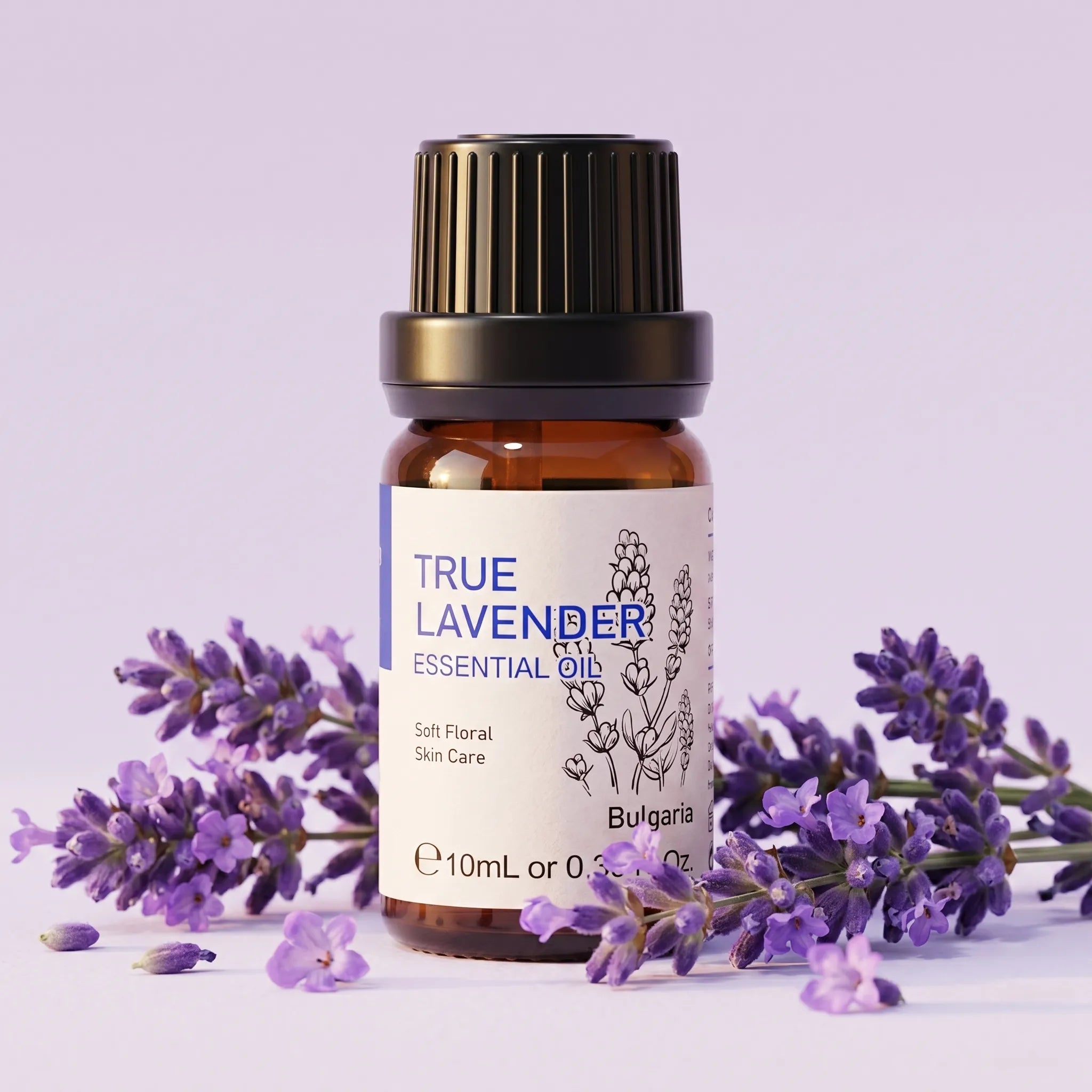
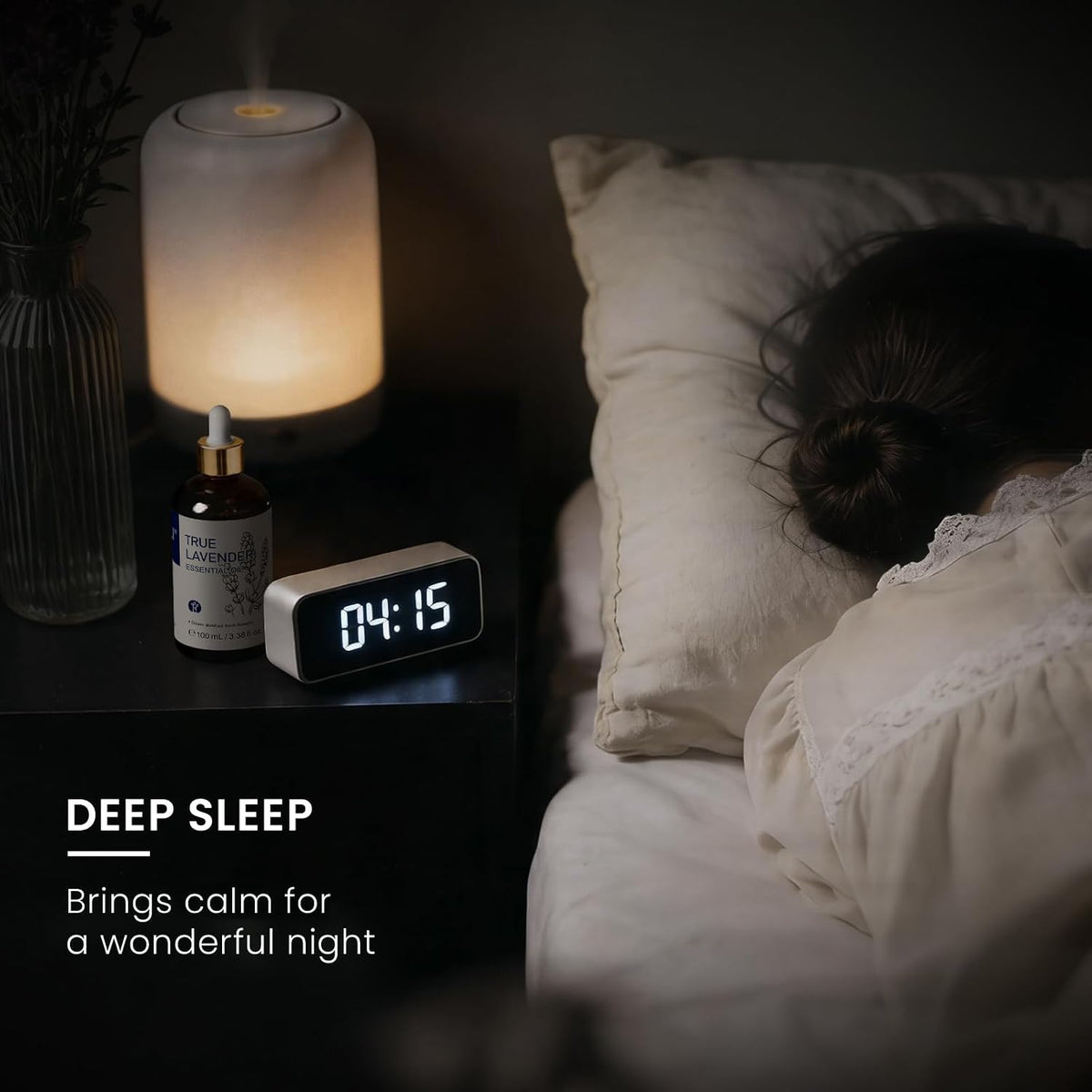


Aceite esencial de lavanda verdadera
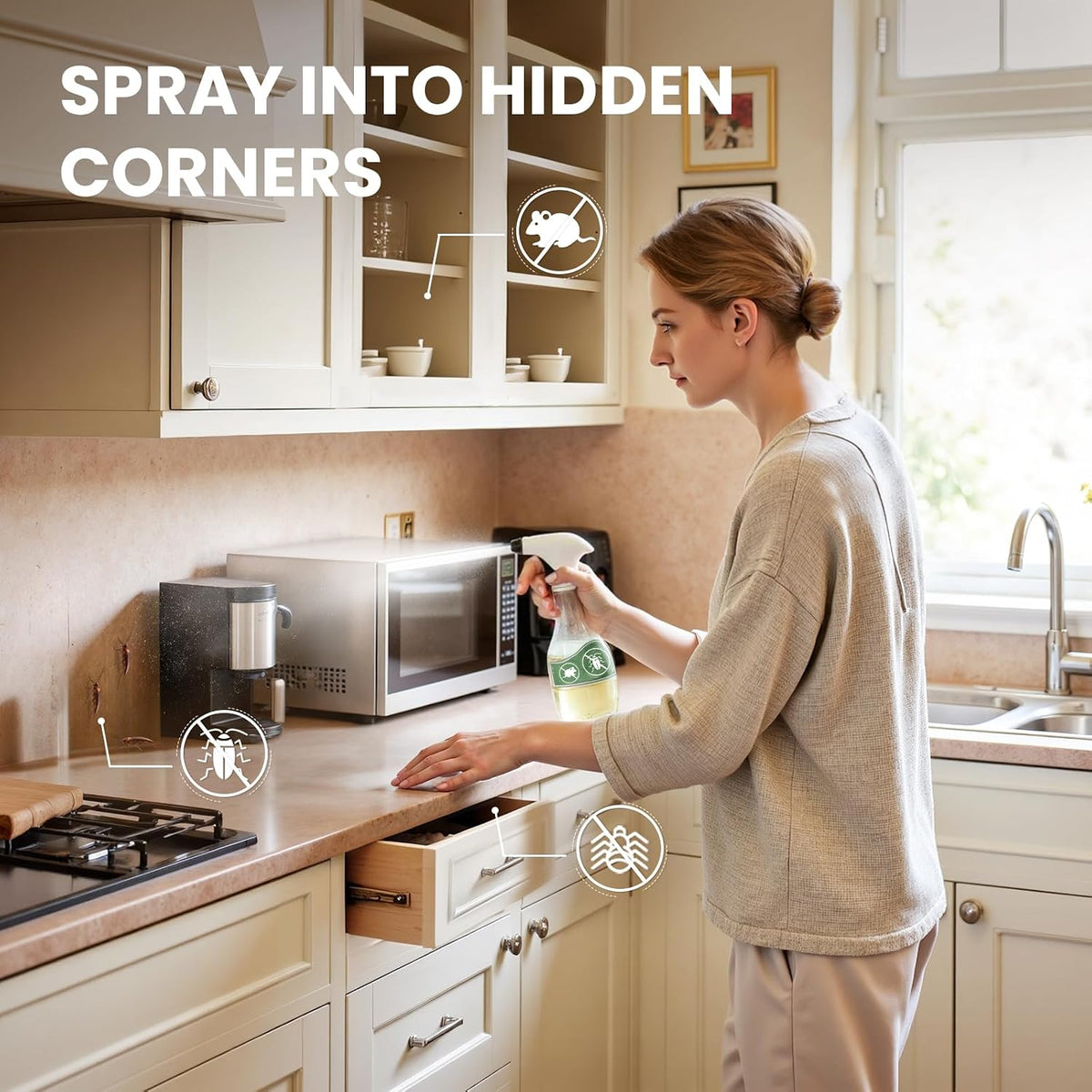


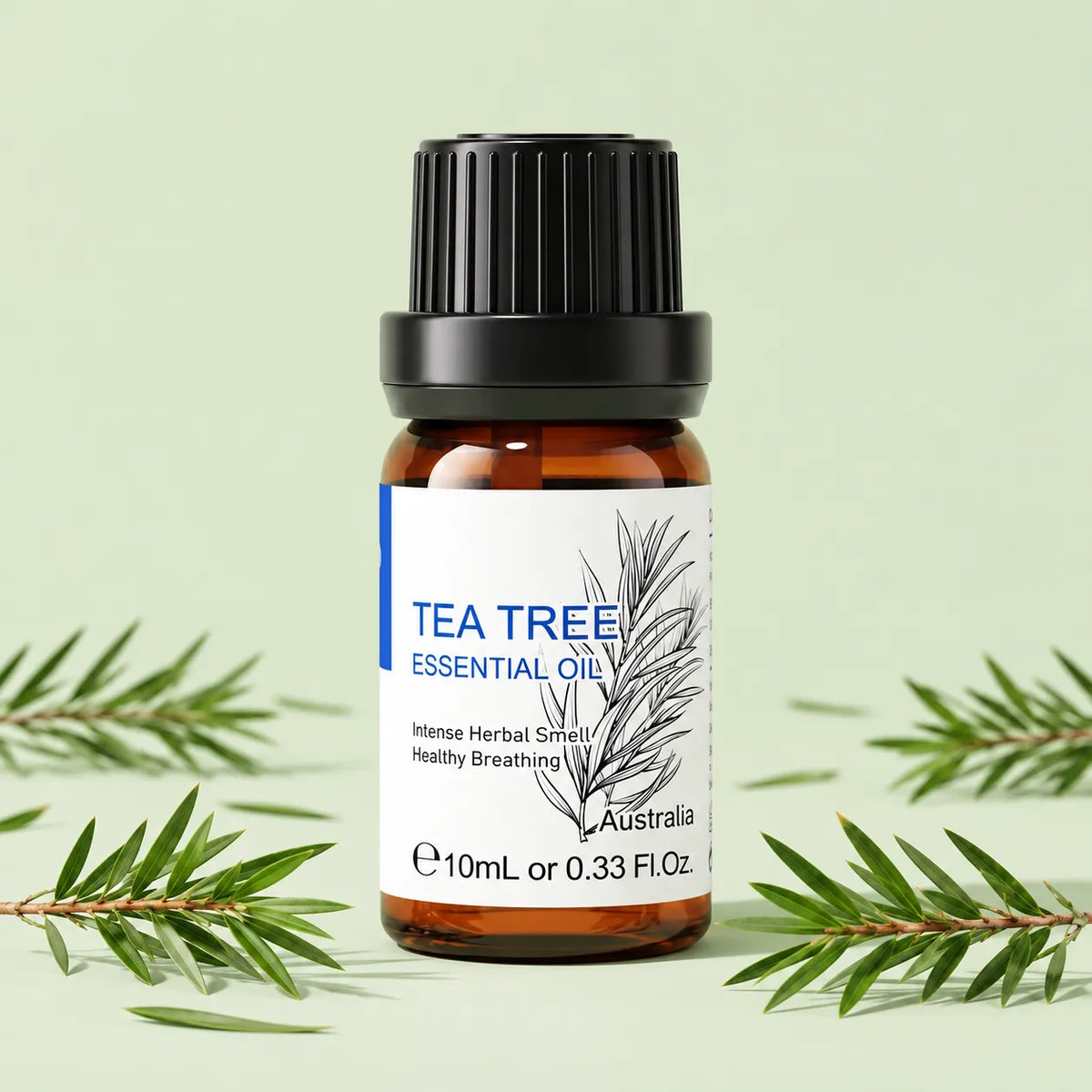
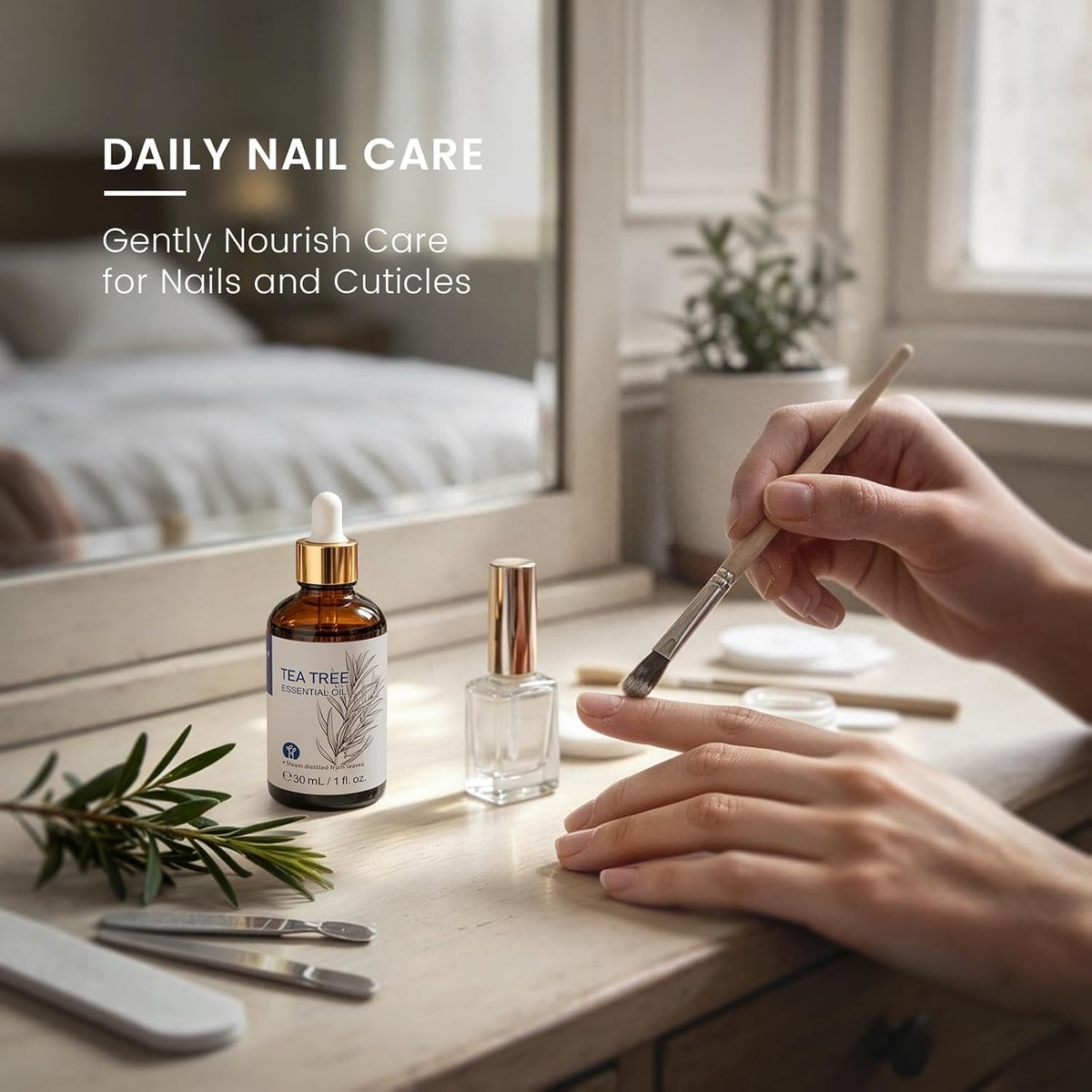
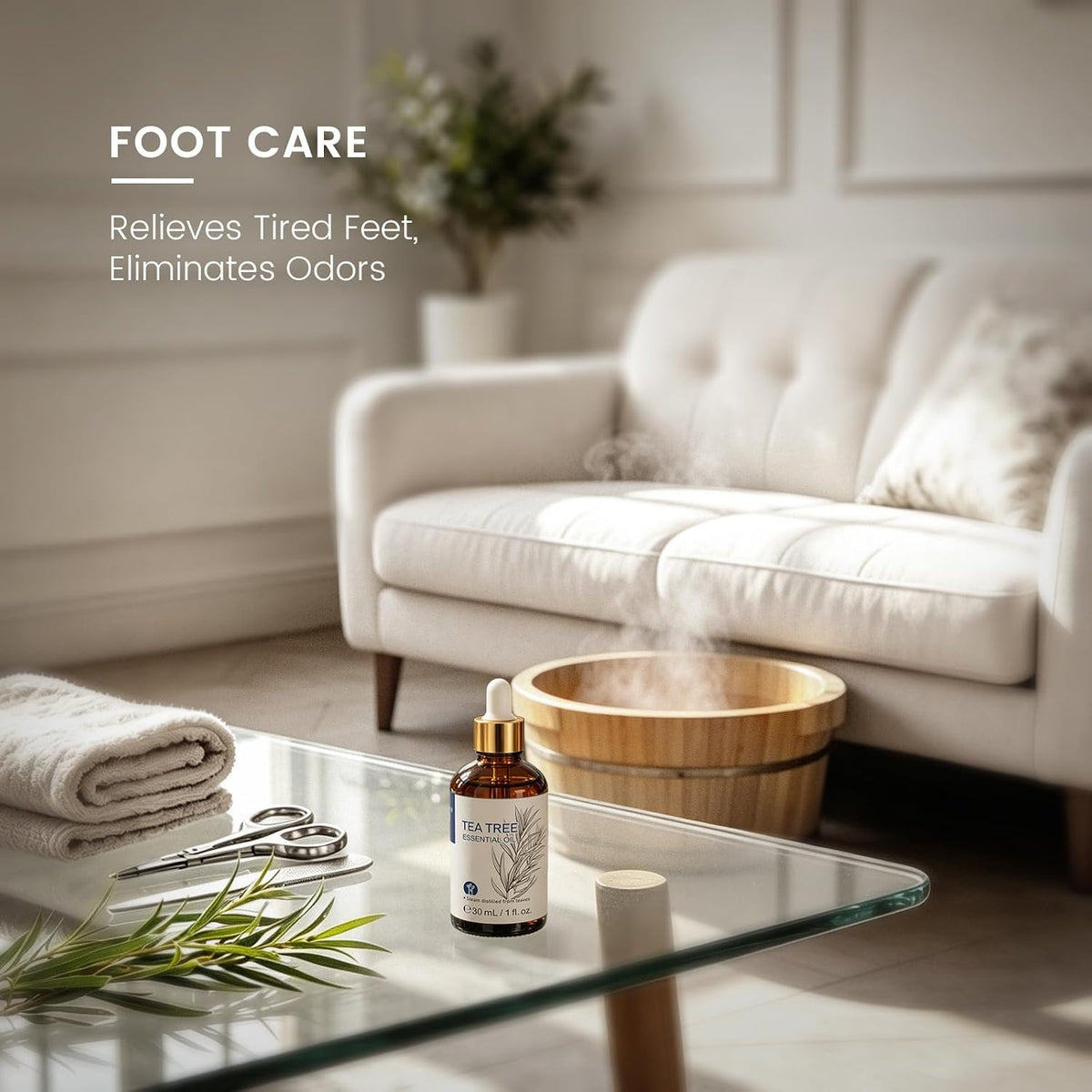
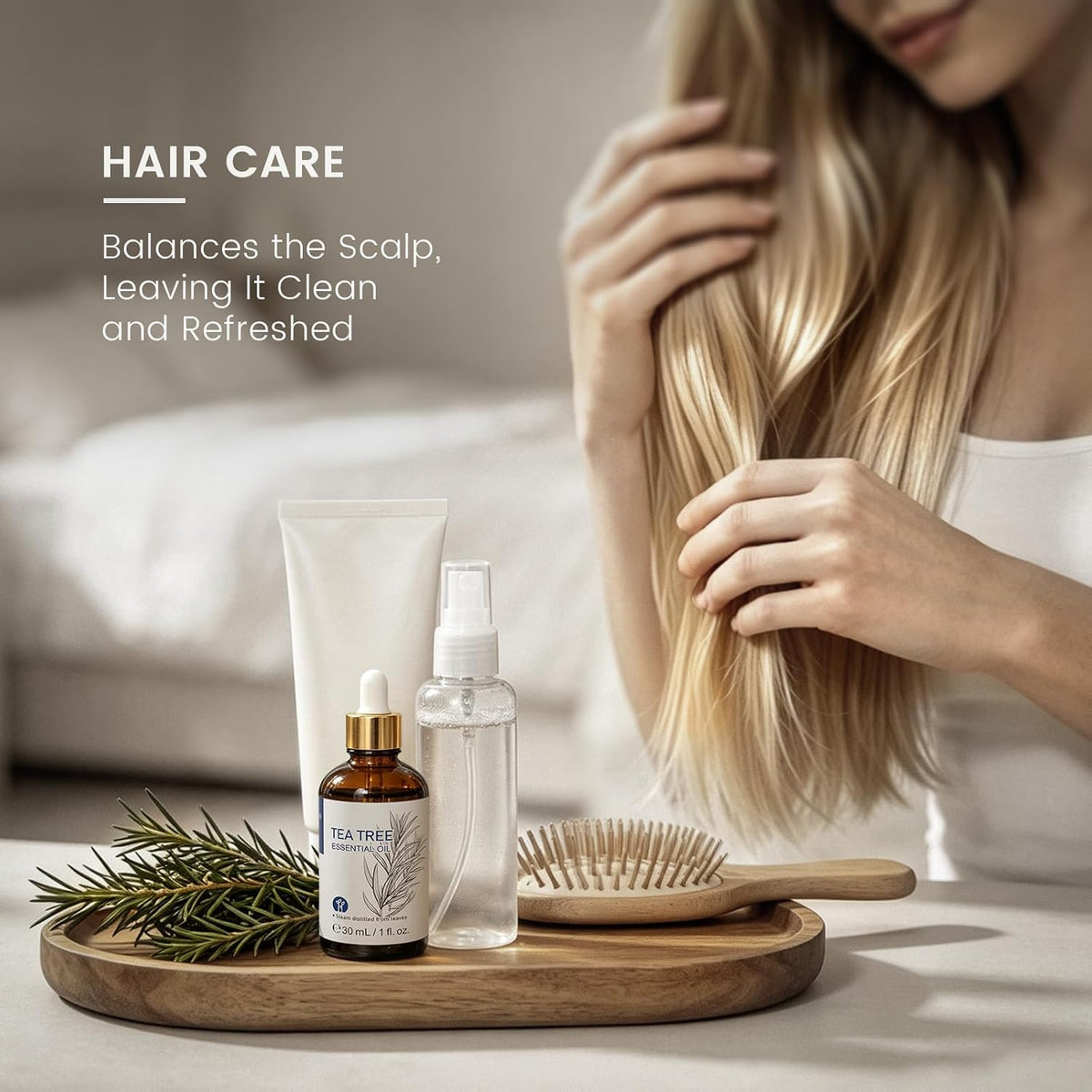
Aceite esencial de árbol de té de Australia
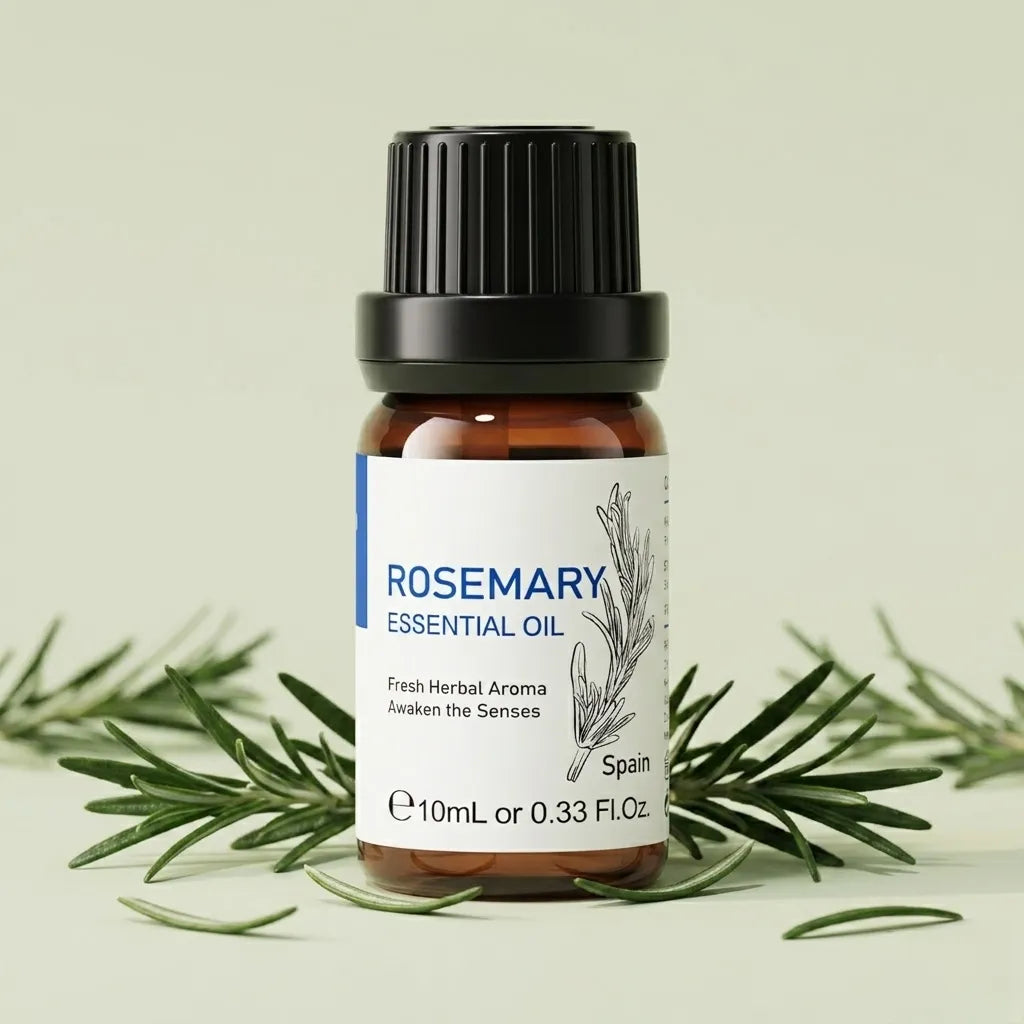
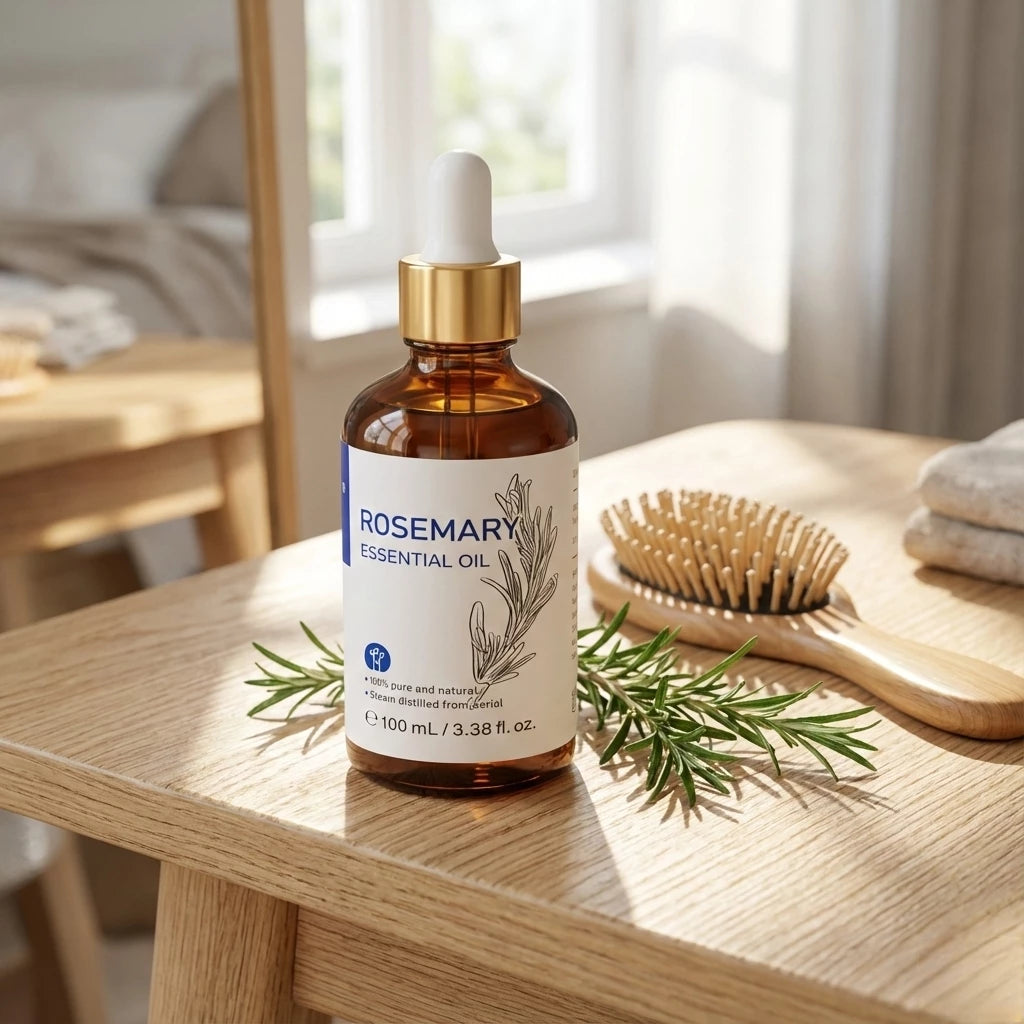
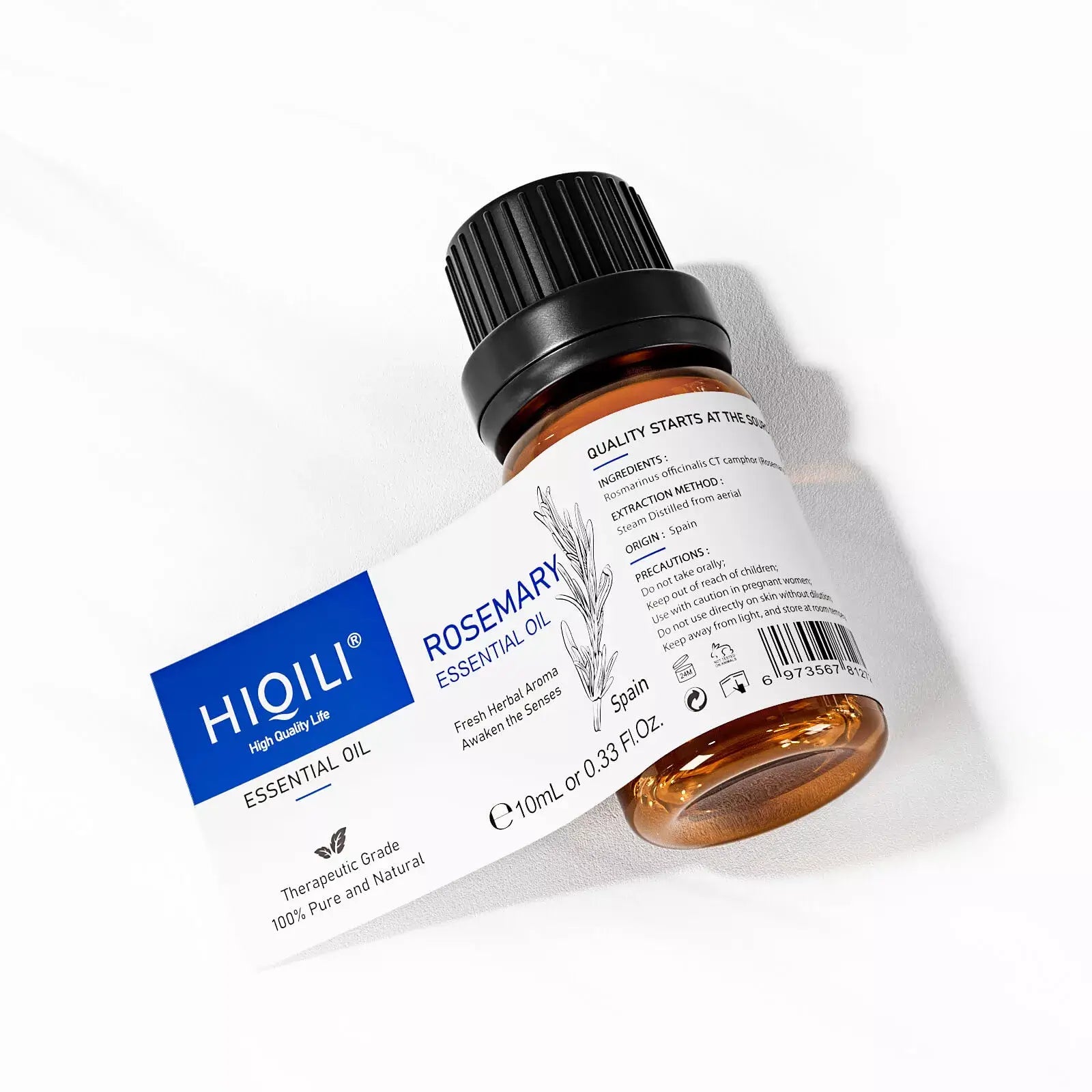
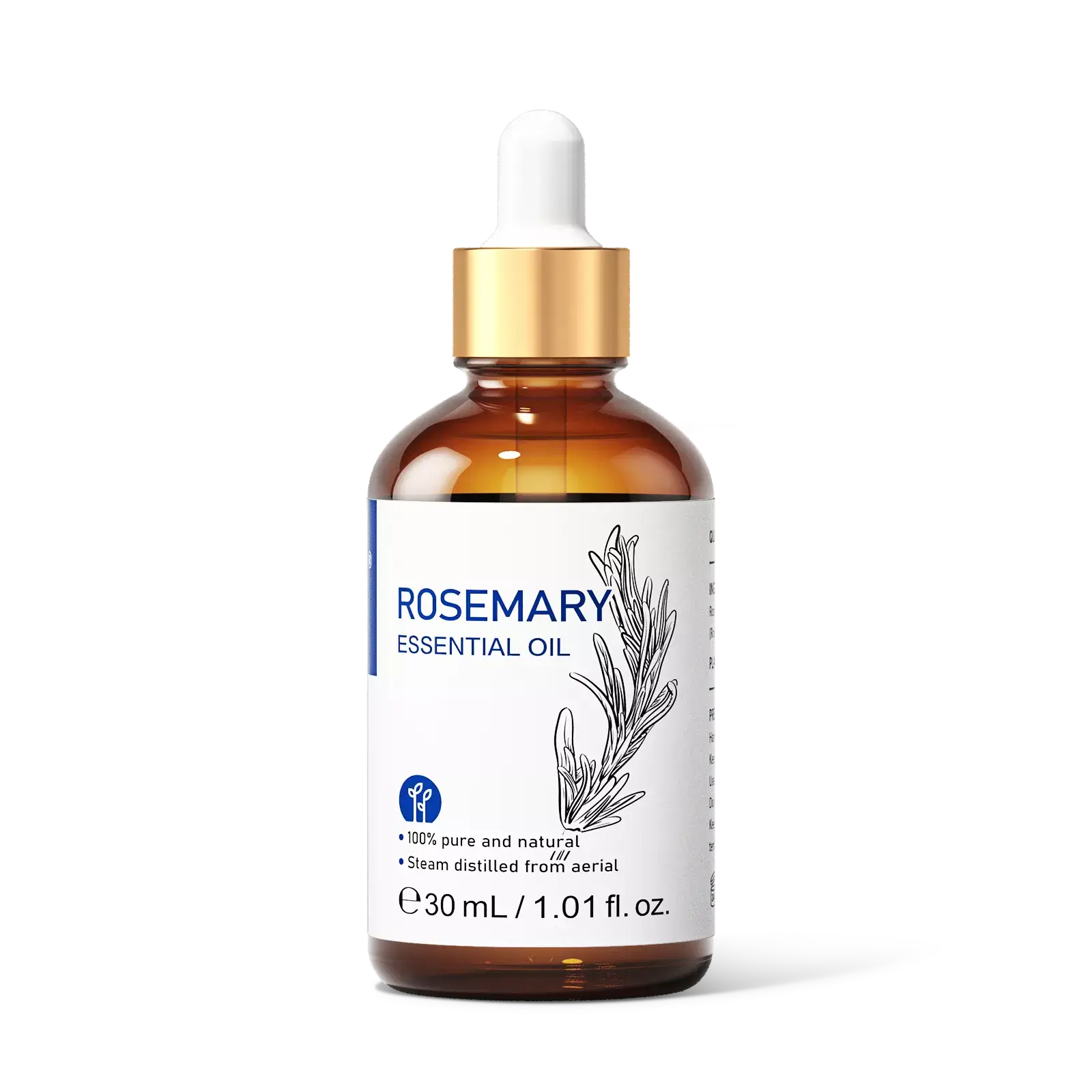


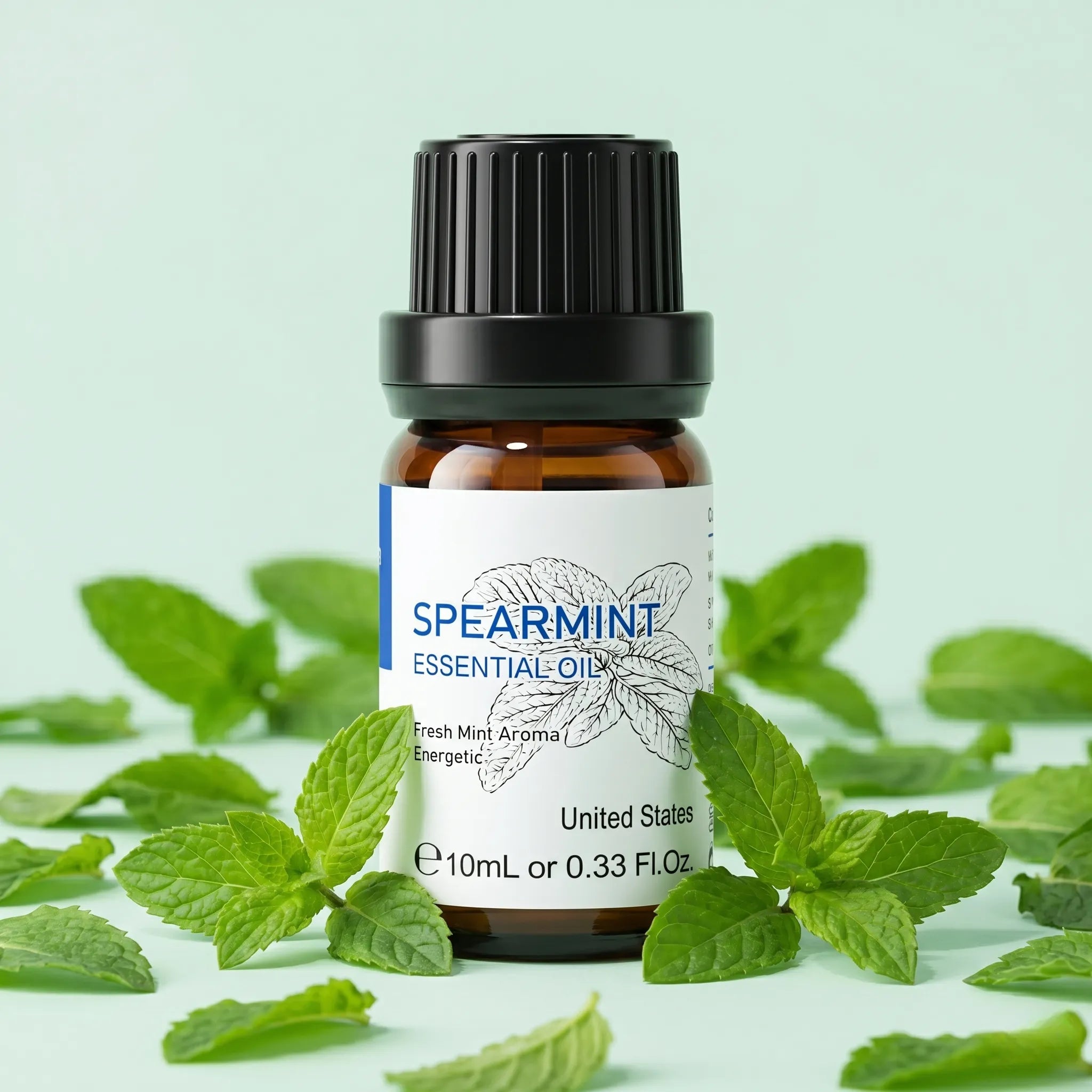
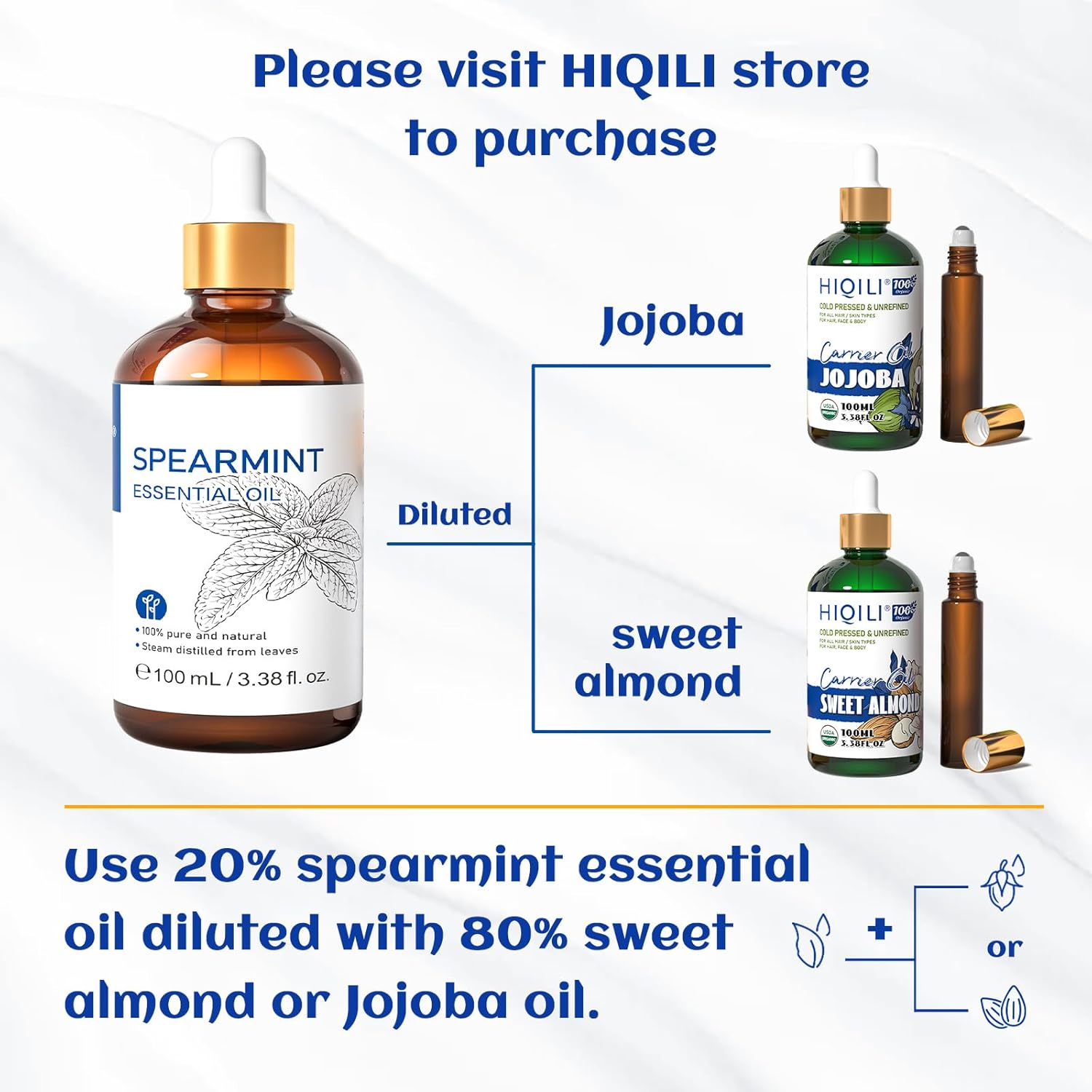
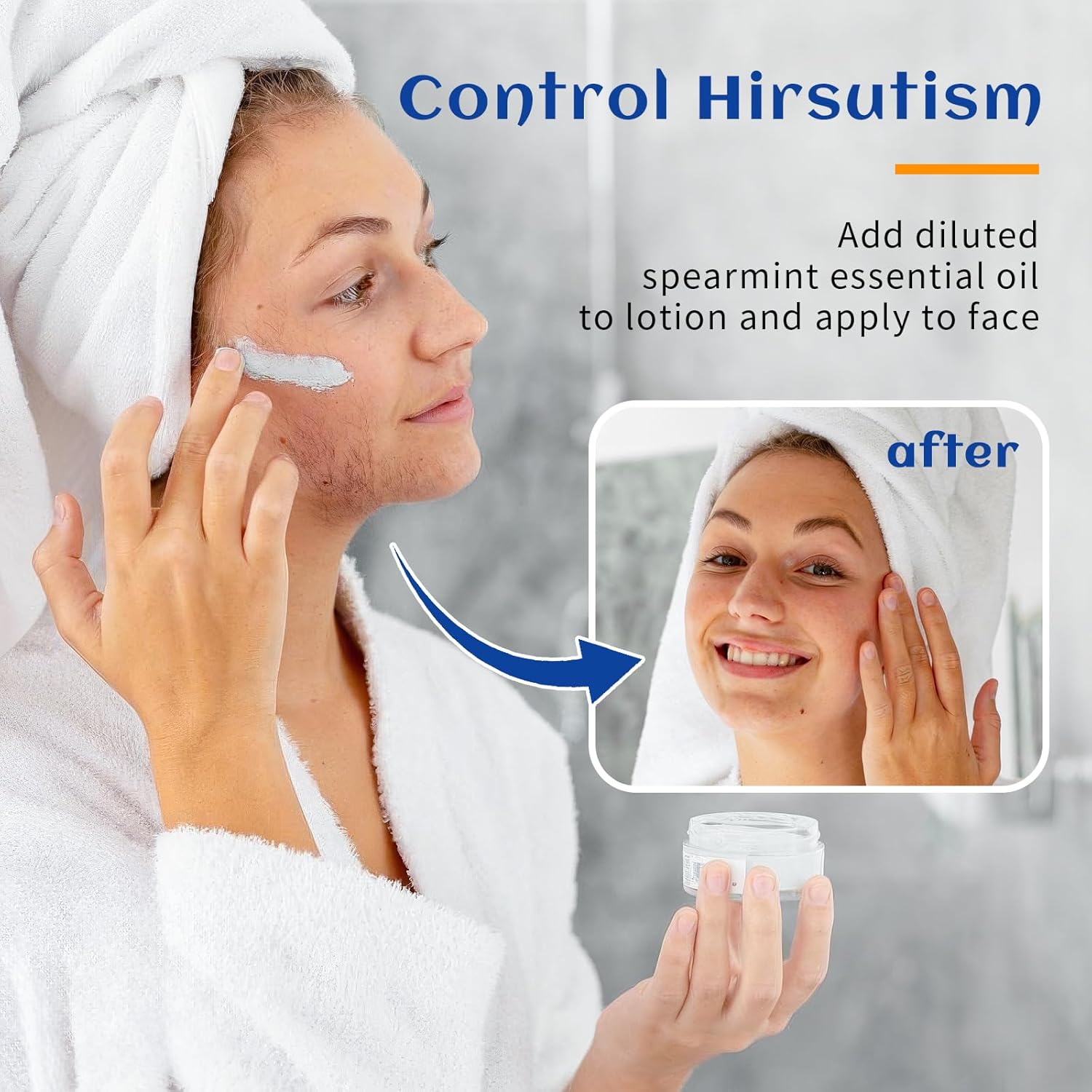
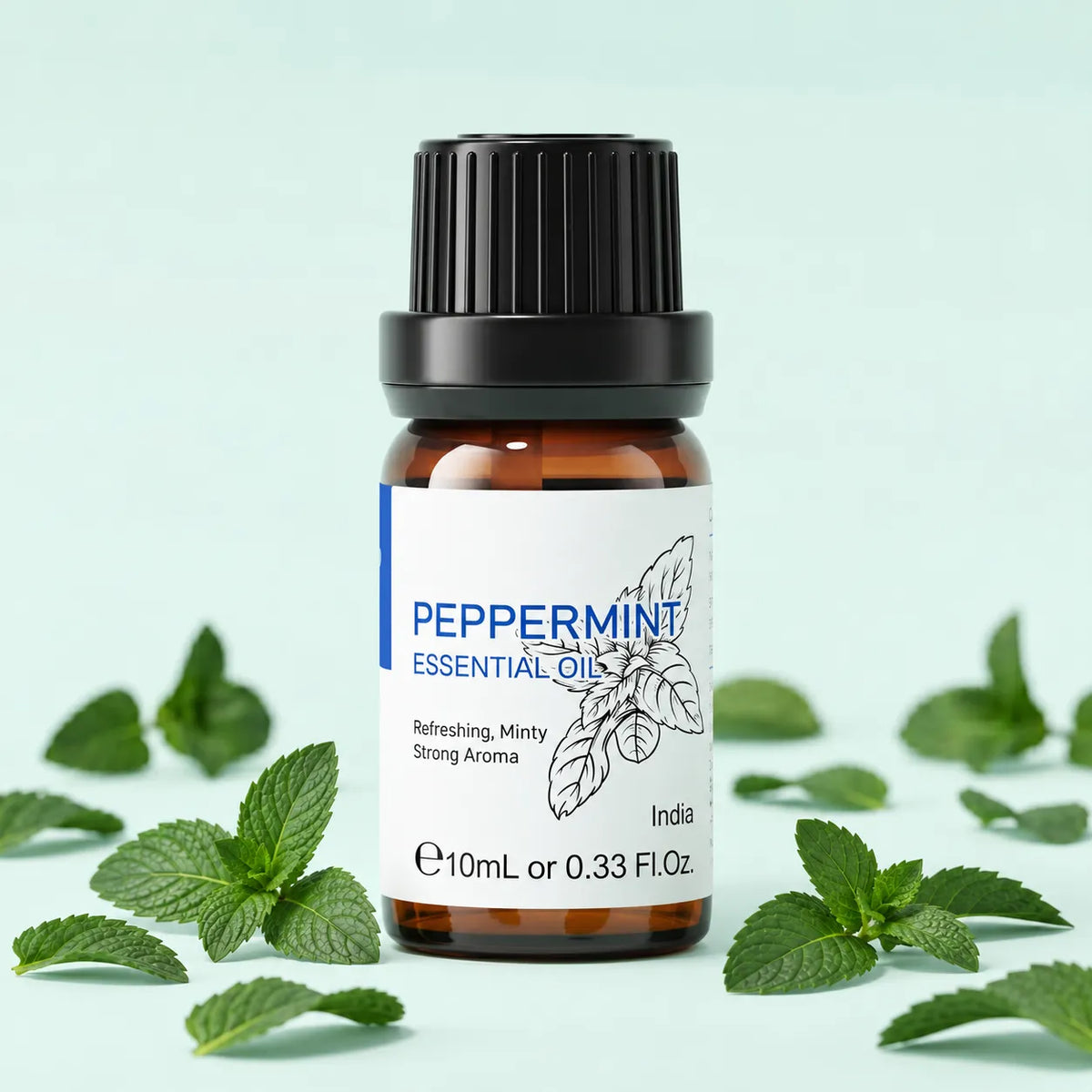
Aceite esencial de hierbabuena

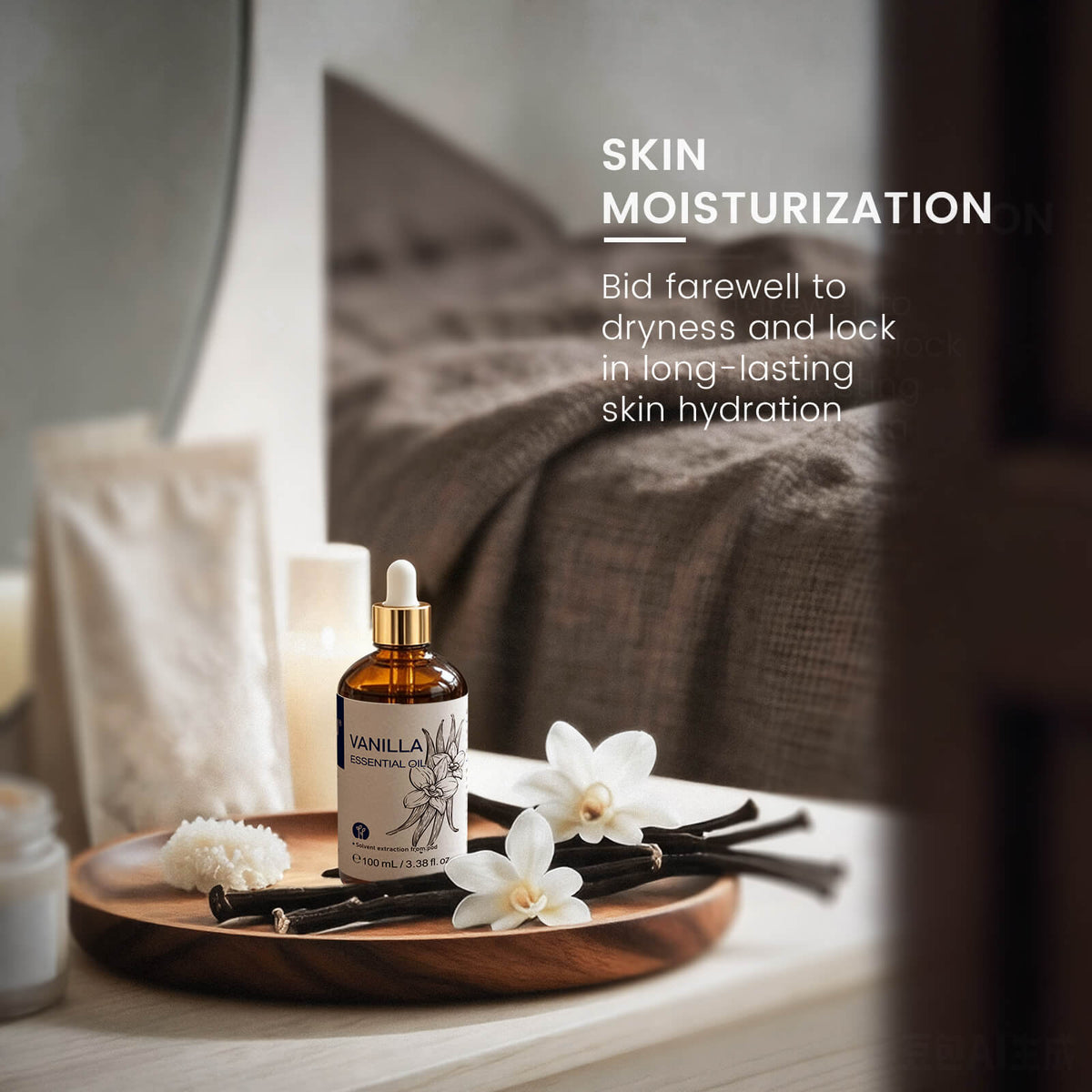
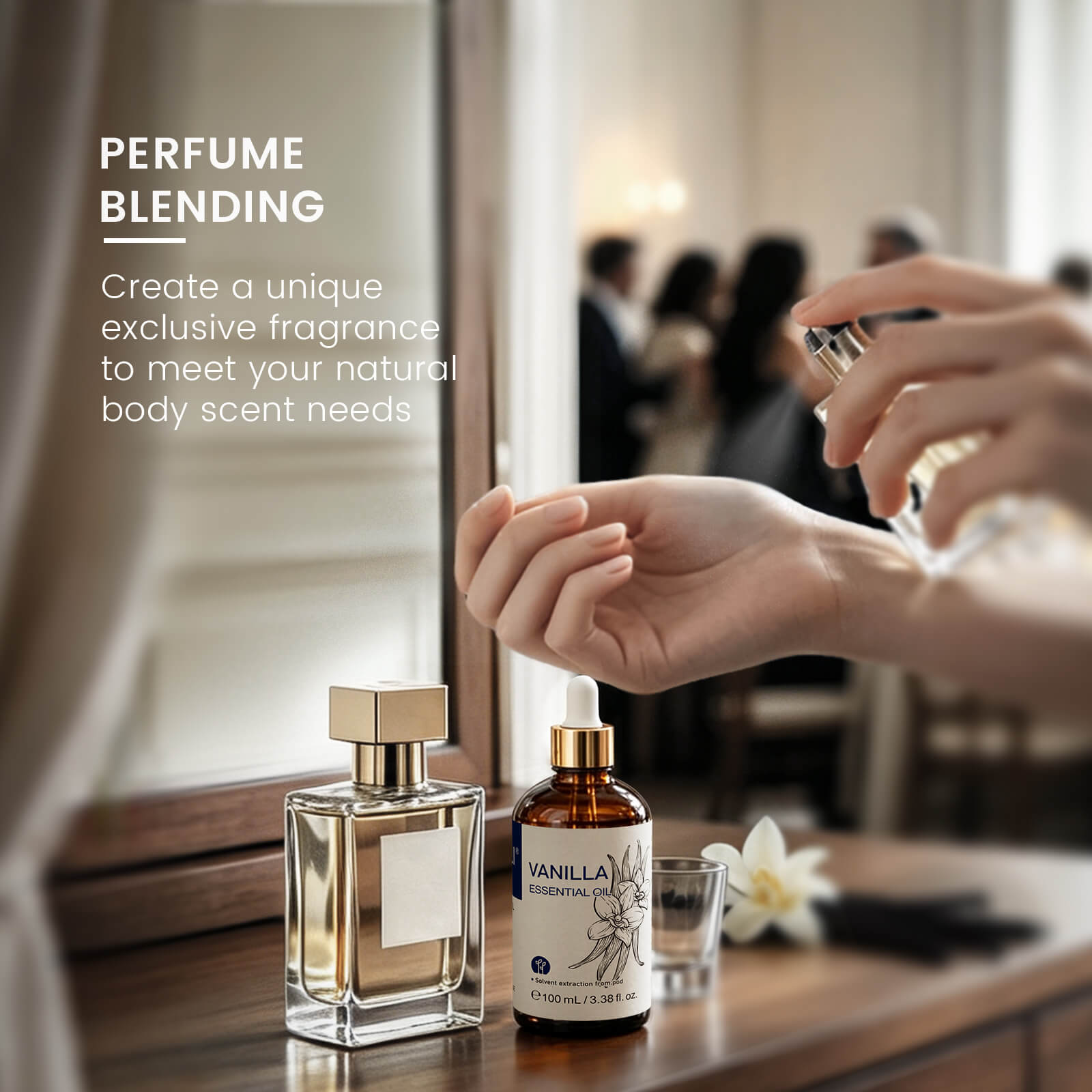
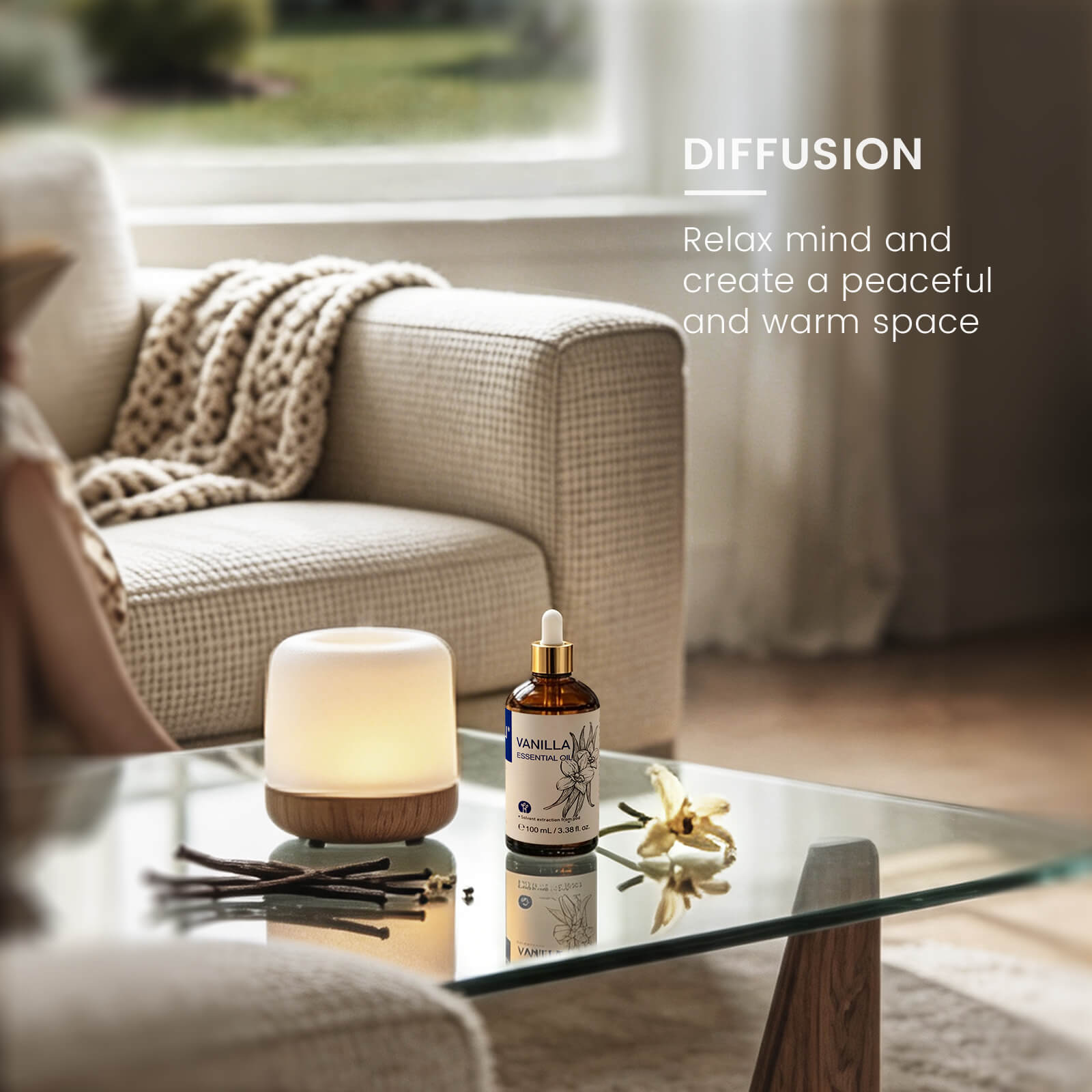
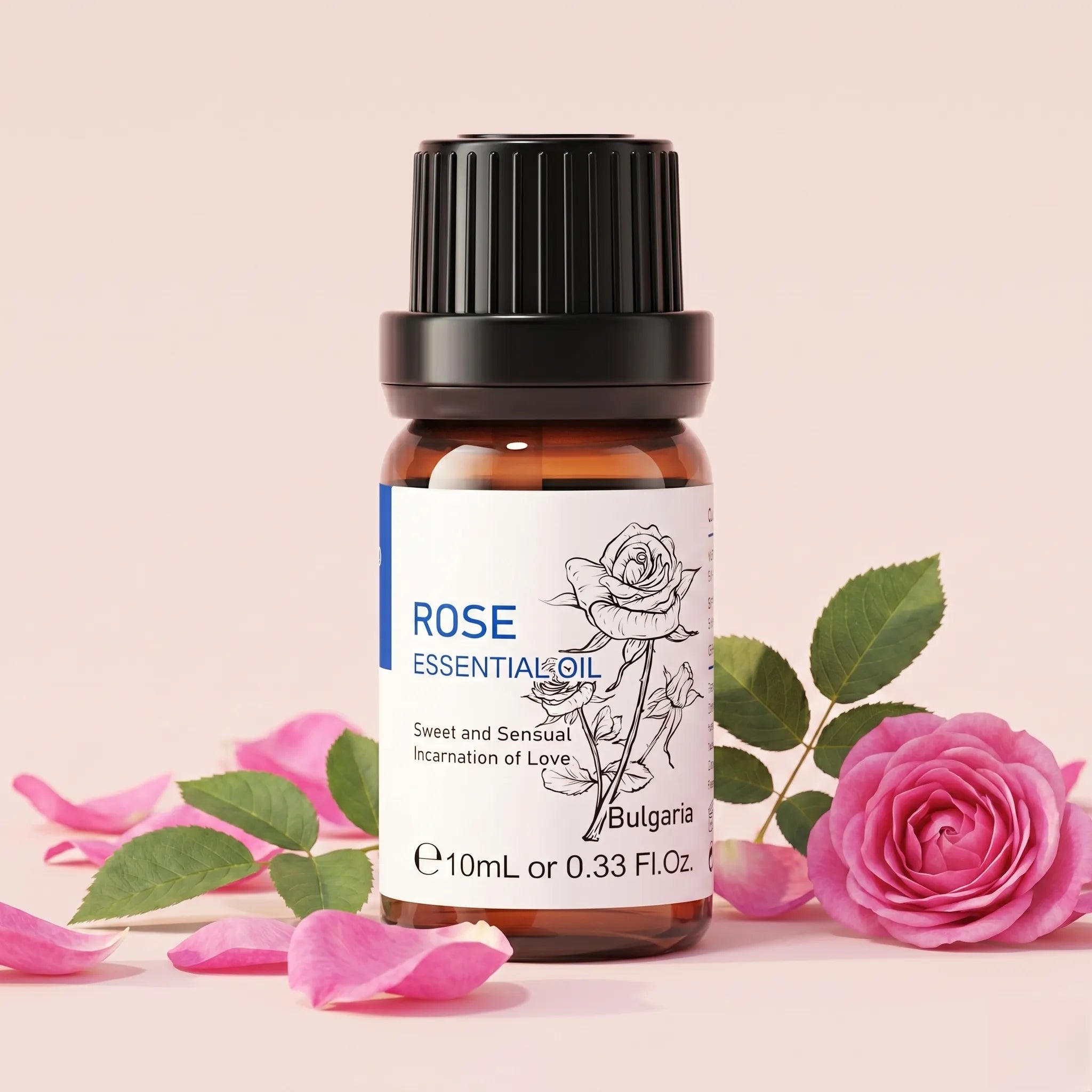
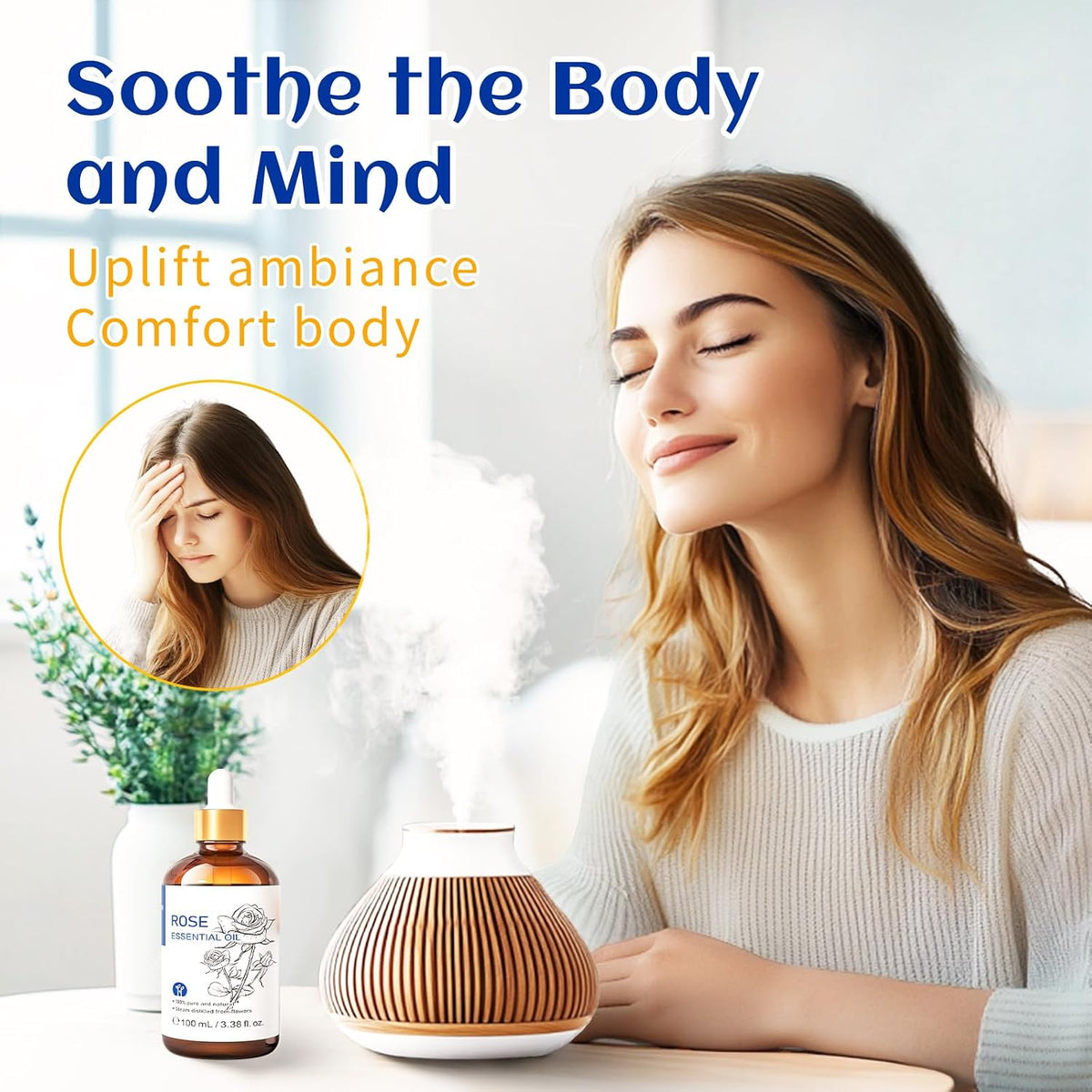
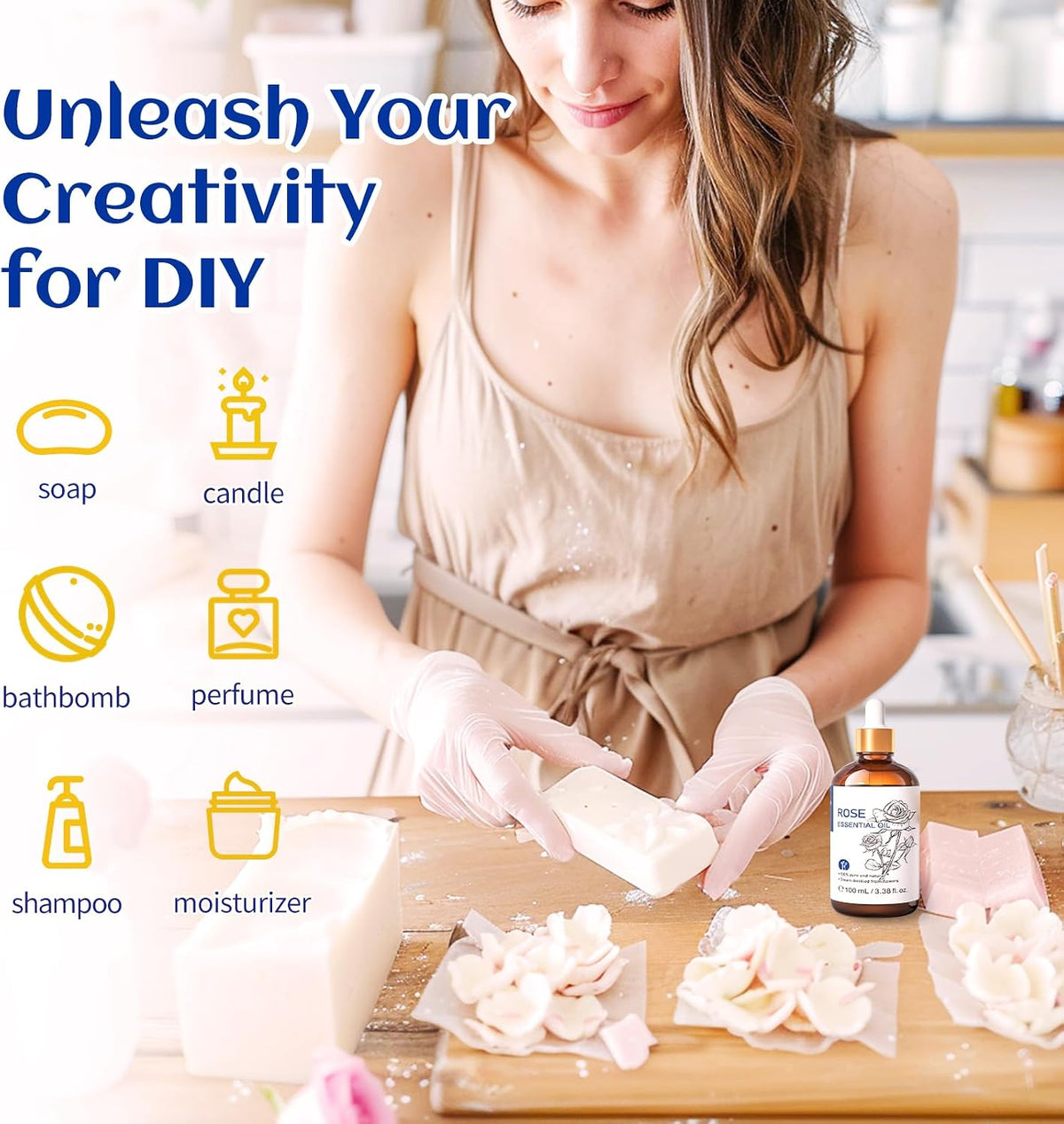
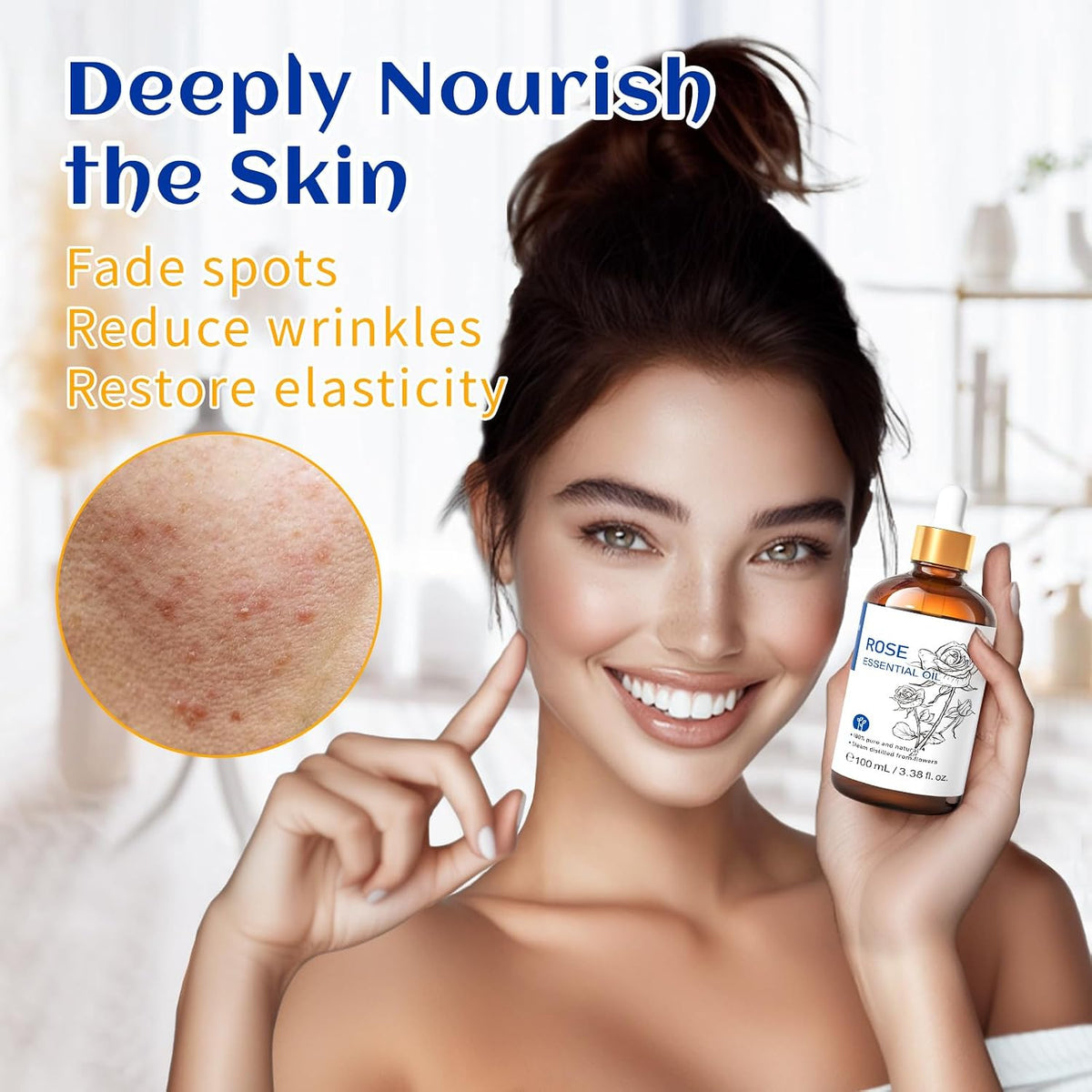
Aceite esencial de rosa para perfumes y mezclas


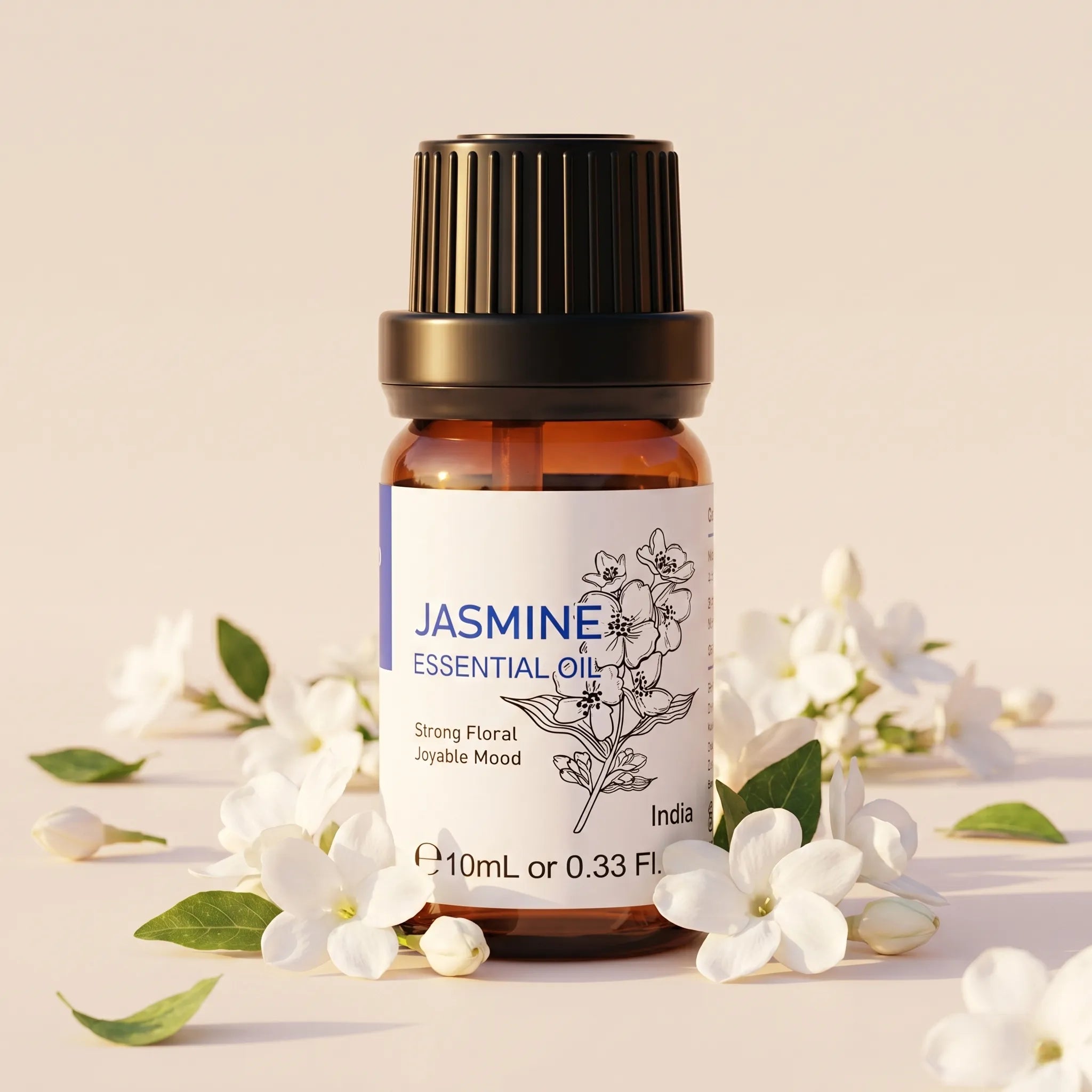


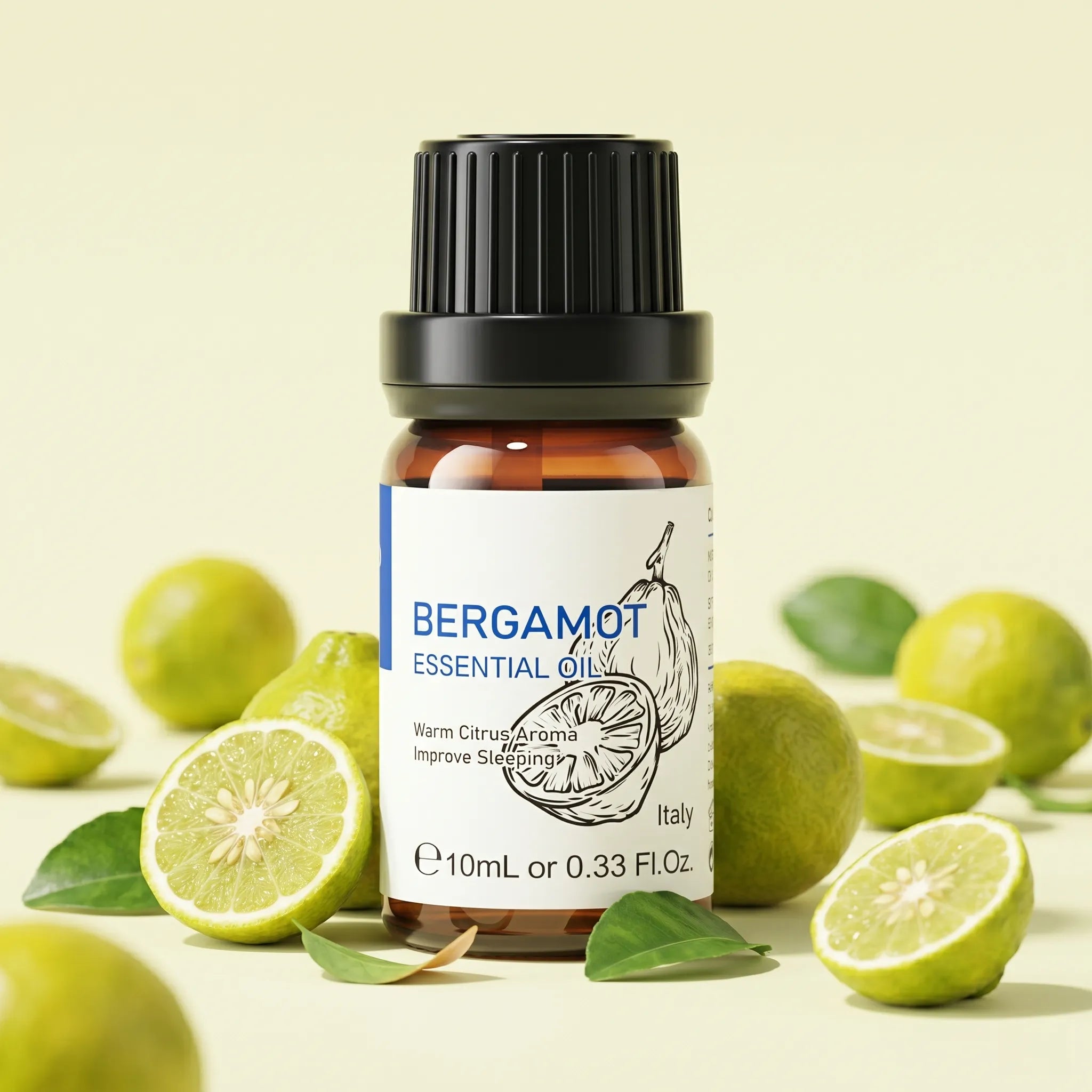


Aceite esencial de bergamota de Italia
Why Choose HIQILI Single Essential Oils?
HIQILI single essential oils offer distinct plant aromas for diffusers, soap making, candles, and other DIY projects. The collection covers bright citrus, cooling herbs, soft florals, and deeper woody scents, so you can choose an oil that fits the product you are making.
Oils are available in several bottle sizes for home use, small-batch making, and larger projects. Product information is provided for each oil, with COA and MSDS documentation available for eligible products.
How to Choose an Essential Oil
Start with the intended use and the type of scent you want. Some oils work well on their own, while others are better used as one part of a blend.
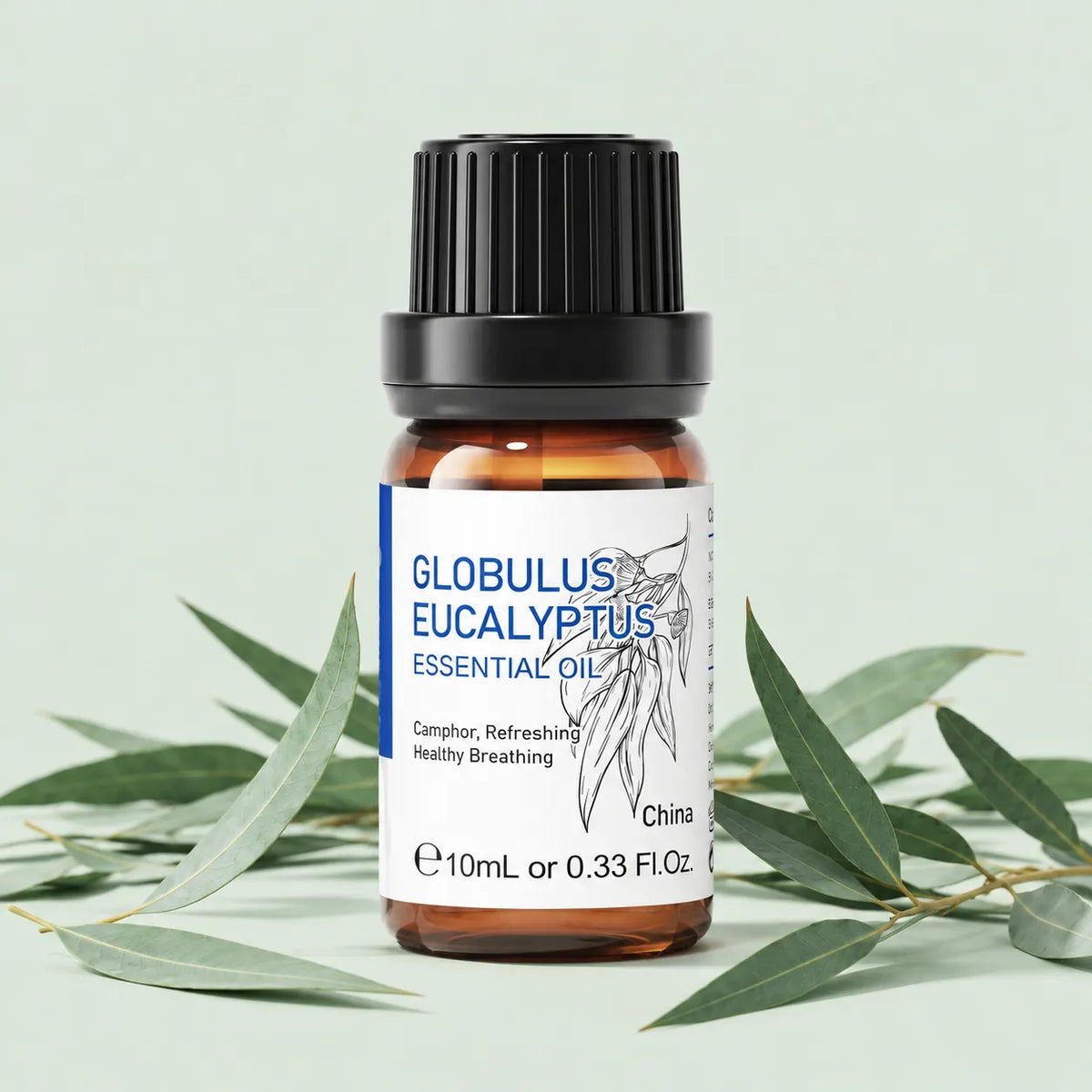
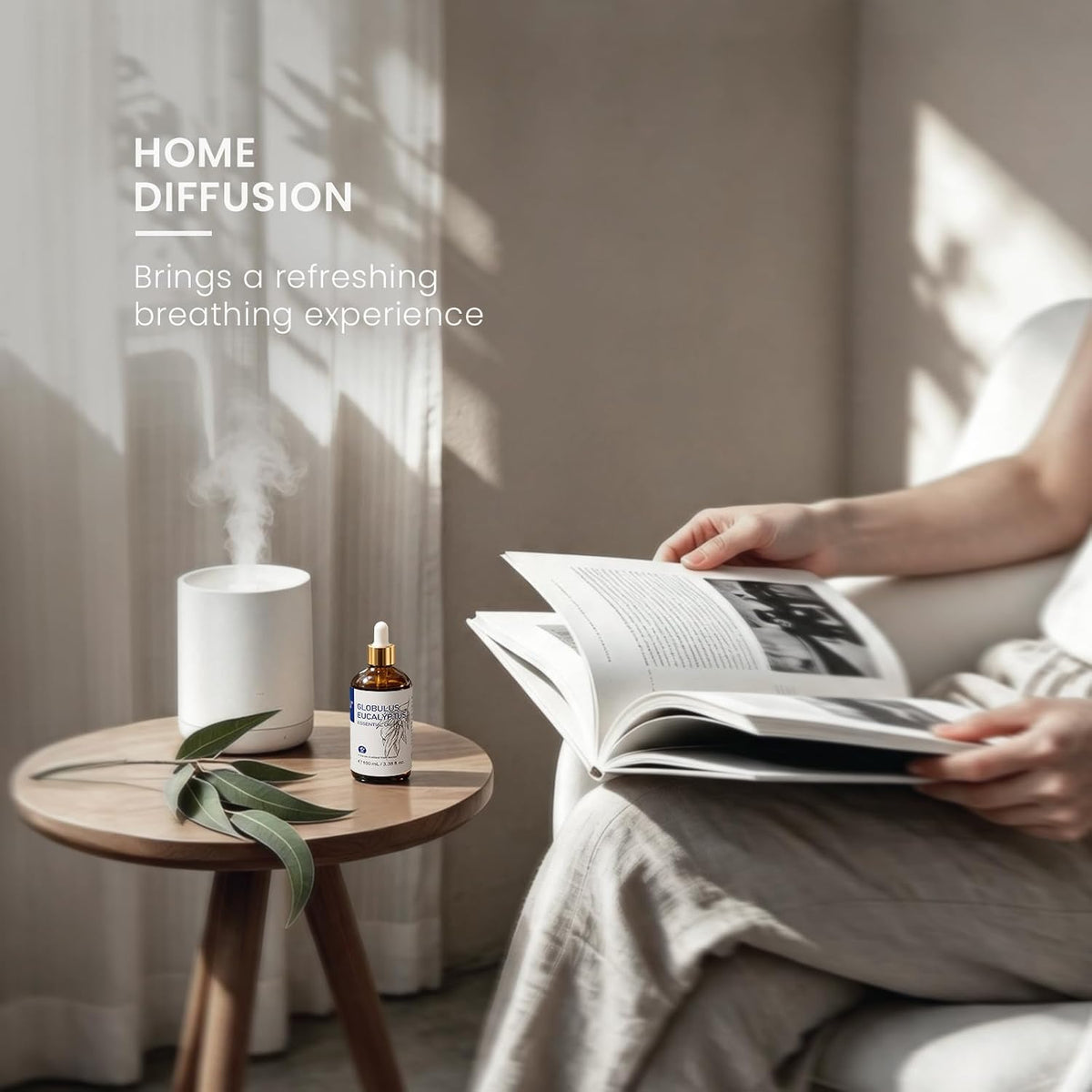
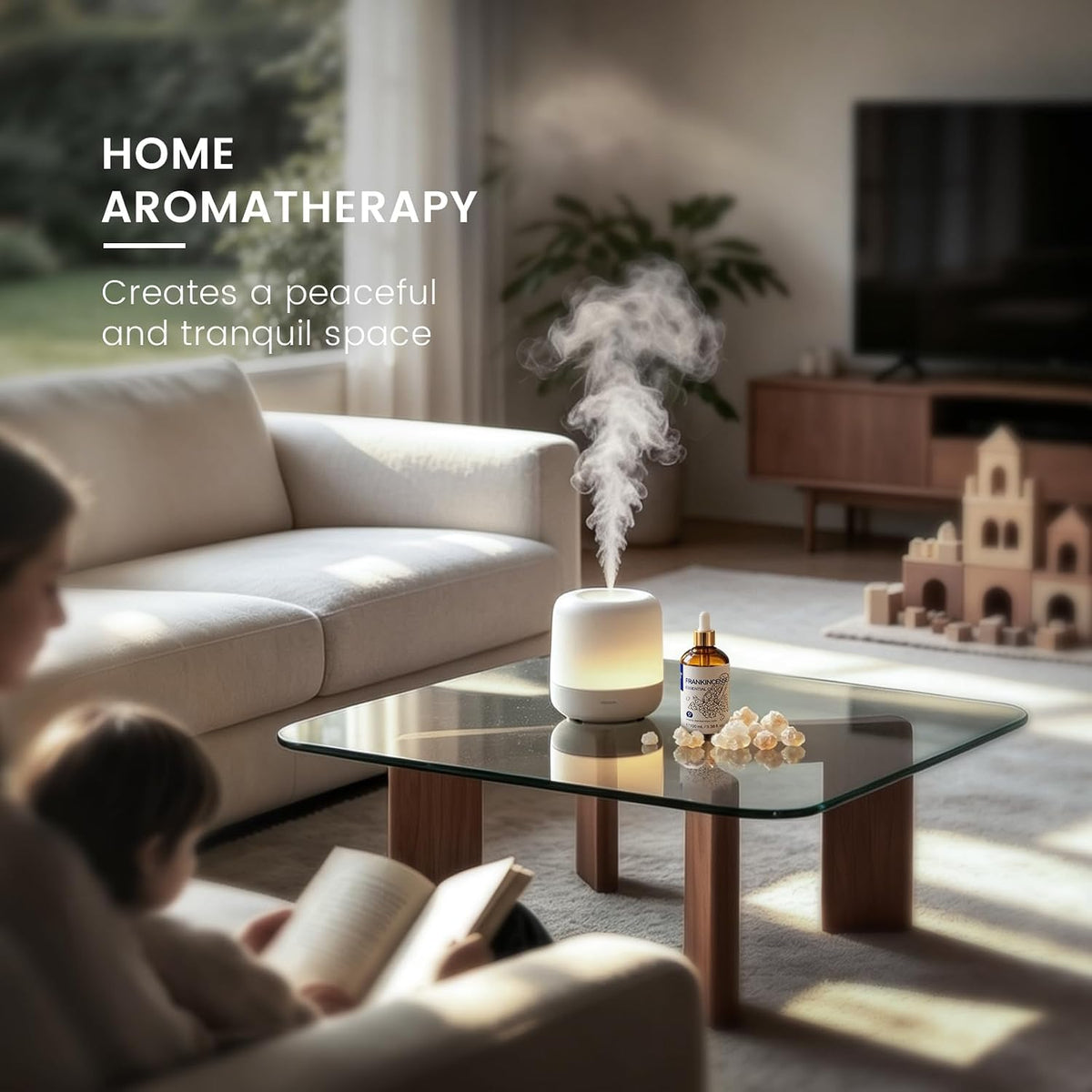
- For Diffusers: Lavender, Lemon, Peppermint, and Eucalyptus are familiar choices for floral, citrus, cooling, or herbal aromas.
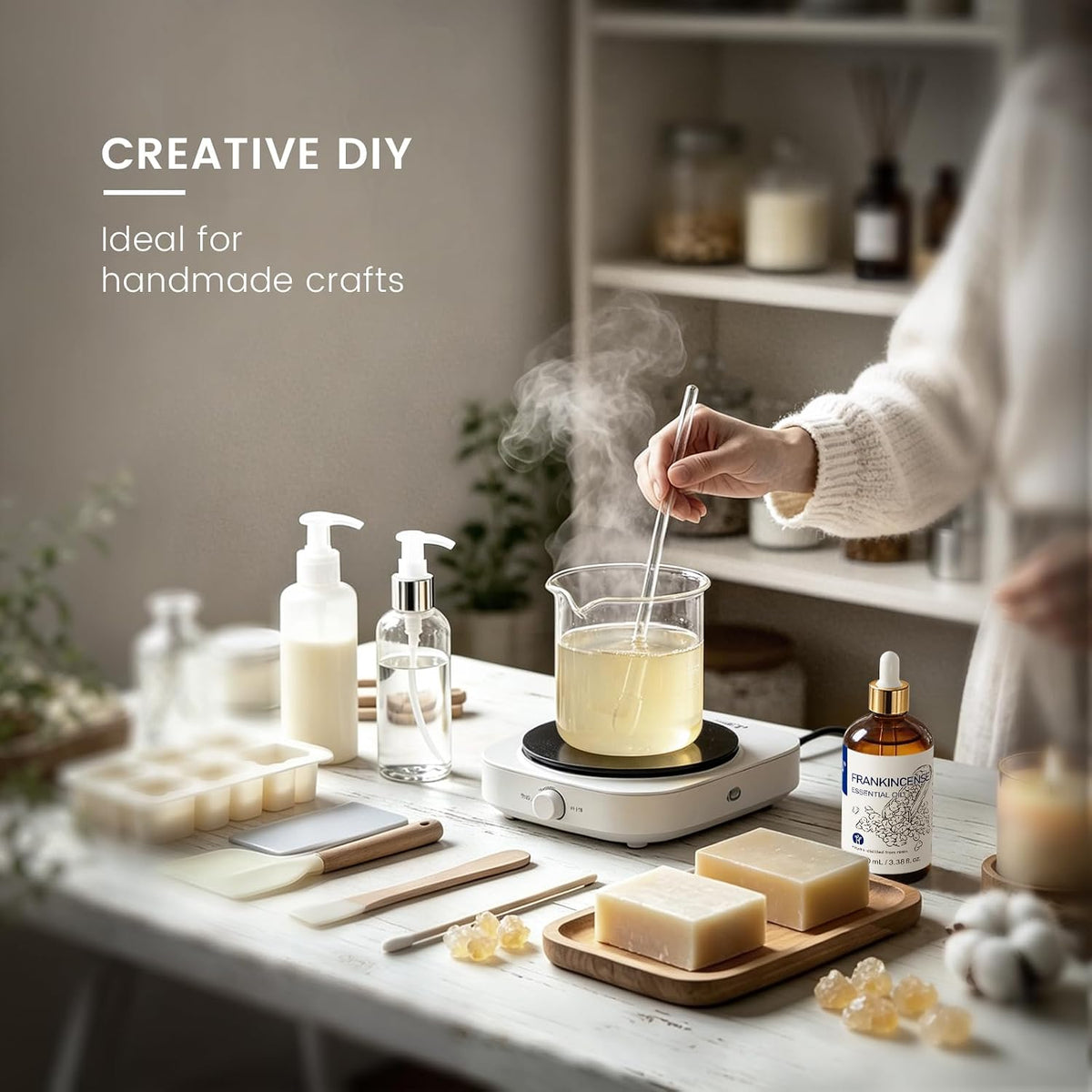
- For Soap Making: Lavender, Tea Tree, Rosemary, and Lemongrass are often used in handmade soap formulas.
- For Custom Blends: Combine top, middle, and base notes to control how a blend opens, develops, and settles.
- For Personal Care: Choose an oil that is suitable for the intended product and dilute it according to a tested formula before skin application.
Essential Oils for DIY Projects
The table below offers a quick starting point for matching essential oils with common projects. Final performance will depend on the formula, base, and amount used.
| Project | Essential Oils to Consider |
|---|---|
| Diffusers & Home Fragrance | Lavender, Peppermint, Eucalyptus, Lemon, Sweet Orange |
| Soap Making | Lavender, Tea Tree, Rosemary, Lemongrass |
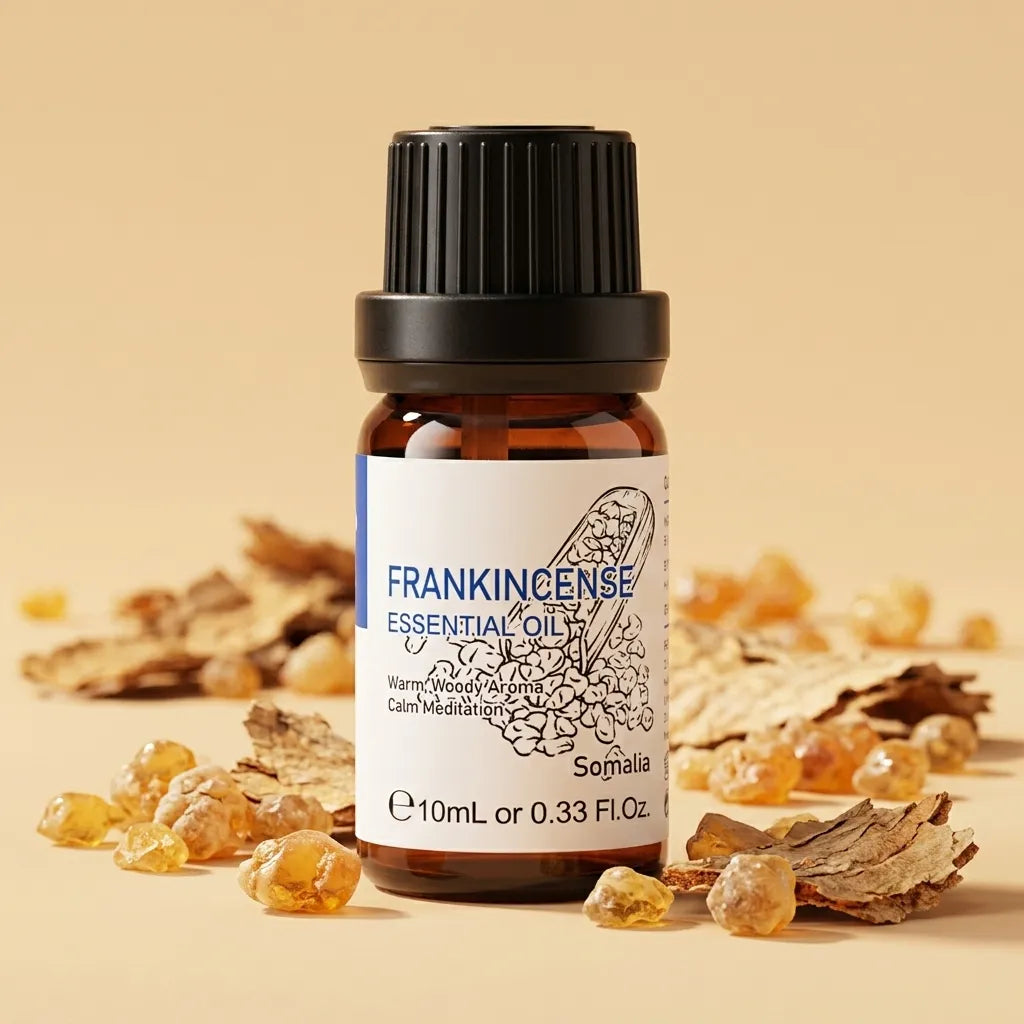
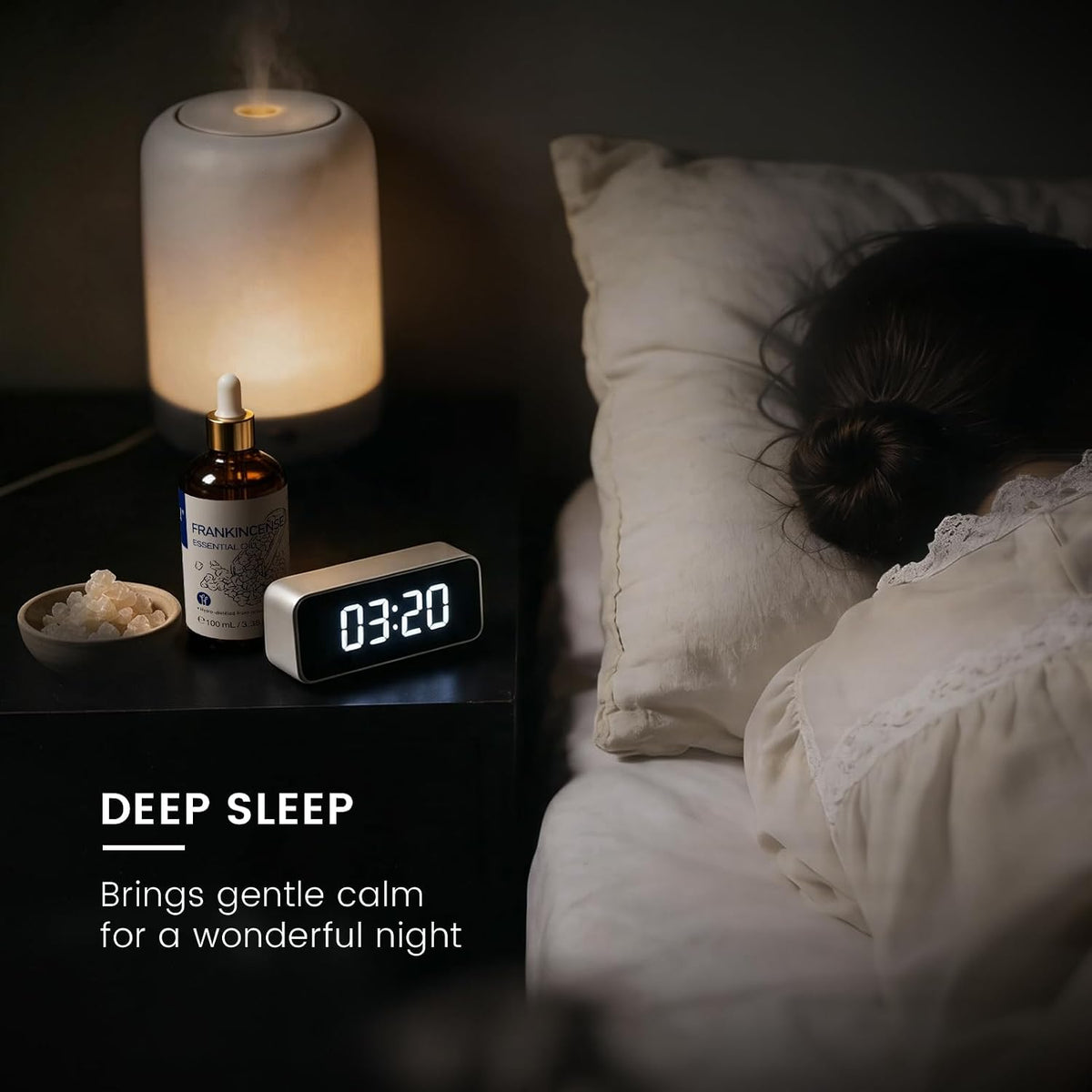
| Custom Essential Oil Blends | Bergamot, Frankincense, Cedarwood, Patchouli |
| Bath & Body Projects | Floral, citrus, and herbal essential oils used at an appropriate dilution in a tested formula |
Essential Oil vs. Fragrance Oil
Essential oils and fragrance oils are different types of scent ingredients. Essential oils are aromatic extracts obtained from plant material. Fragrance oils are formulated scent blends that may contain natural ingredients, synthetic aroma materials, or a combination of both.
| Essential Oils | Fragrance Oils | |
|---|---|---|
| Source | Aromatic extracts obtained from plant material | Formulated blends of fragrance ingredients |
| Common Uses | Diffusers, botanical scent blends, soap, and diluted personal care formulas | Candles, wax melts, soap, perfume, and home fragrance products |
| Scent Options | Aromas associated with the source plant | Fruit, floral, gourmand, perfume-inspired, and other formulated scent profiles |
If you are looking for formulated scents for candles, wax melts, or home fragrance, browse our fragrance oils collection .
Sourcing, Extraction & Documentation
Different plants require different extraction methods. Many essential oils are steam distilled, while citrus peel oils are commonly cold pressed. Check the individual product page for details about the oil you plan to use.
- Plant-derived aromatic oils from selected botanical sources
- Steam-distilled or cold-pressed options, depending on the plant material
- COA and MSDS documentation available for eligible products
- Multiple bottle sizes for personal projects and business use
How to Use Essential Oils Safely
Essential oils are concentrated. Follow the directions for the specific oil and finished product, and do not assume that every essential oil is suitable for every application.
- Diffuser Use: Add the amount recommended by the diffuser manufacturer. Use the diffuser in a ventilated space.
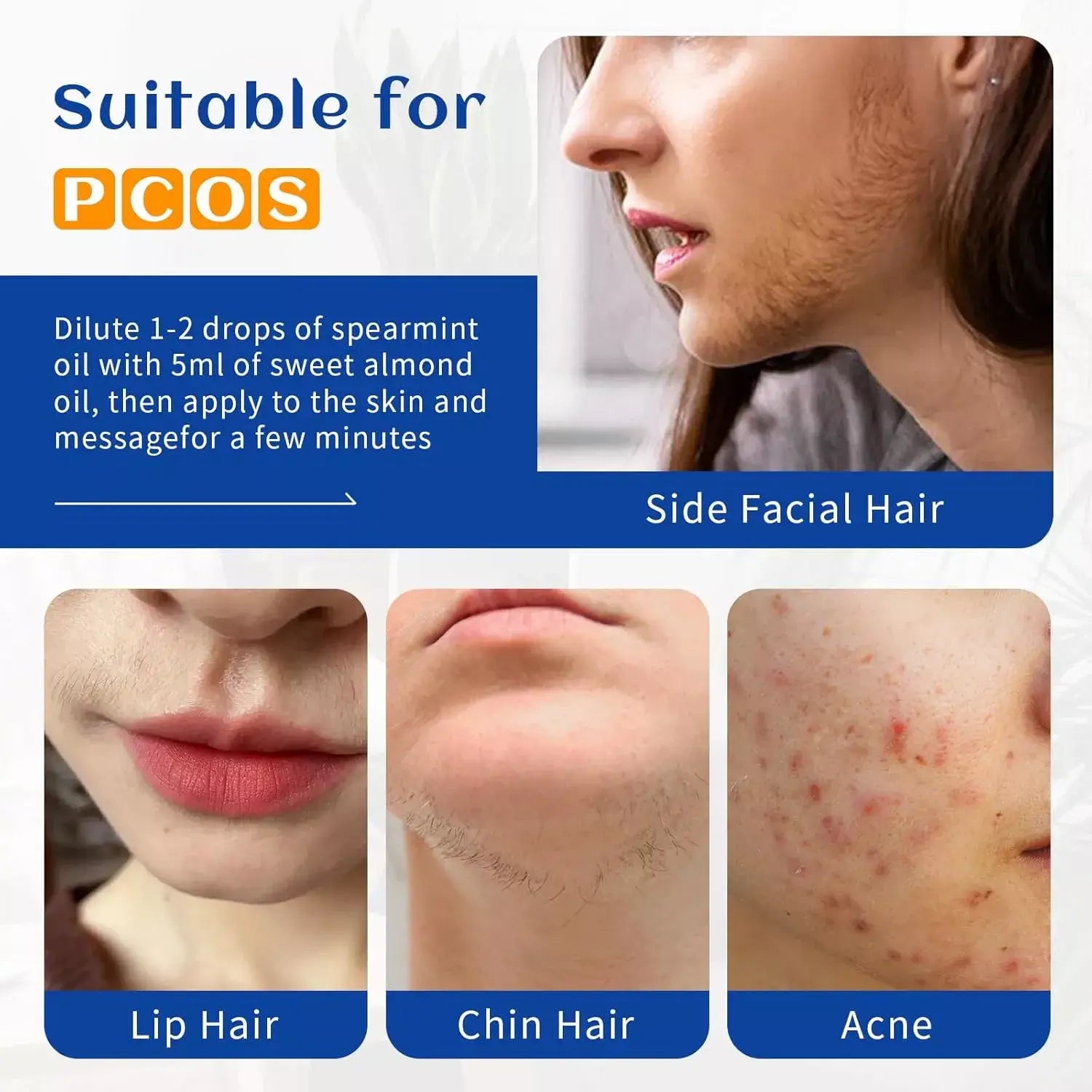
- Skin & Hair Products: Dilute the essential oil in a suitable carrier oil such as Jojoba Oil or Sweet Almond Oil or add it to a properly formulated cosmetic base. Patch-test the finished product before wider use.
- Soap, Bath & DIY Projects: Follow a tested formula and the recommended limit for the particular essential oil and application.
A 30/50/20 Starting Point for Essential Oil Blends
The 30/50/20 approach is a simple starting point for arranging top, middle, and base notes. It is not a fixed rule, so adjust the proportions after testing the blend.
- 30% Top Notes: Bright, quick-opening scents such as Lemon or Peppermint.
- 50% Middle Notes: Oils such as Lavender or Rosemary that form the main body of the blend.
- 20% Base Notes: Slower, deeper scents such as Cedarwood or Patchouli.
Make a small trial first and record the number of drops or weight of each oil. Let the blend rest before evaluating it again, since the aroma may change after the oils have had time to combine.
More Oils for DIY Projects
Browse related oils and sets for blending, dilution, and fragrance making:
Preguntas frecuentes
¿Qué son los aceites esenciales individuales?
Proceden de una sola fuente botánica y conservan su aroma característico. Se pueden usar solos o en mezclas.
¿Cómo se usan los aceites esenciales en un difusor?
Sigue las instrucciones del difusor. Empieza con poca cantidad, sobre todo en espacios pequeños. Lavanda, menta, eucalipto y limón son opciones habituales.
¿Puedo usarlos para hacer velas?
Algunos son aptos. El resultado depende del aceite, la cera y la fórmula. Prueba una tanda pequeña. Un aceite aromático para velas puede dar un resultado más uniforme.
¿Puedo usarlos para hacer jabón?
Sí, si el aceite es apto. Usa una receta probada y comprueba el límite de uso para ese aceite y tipo de jabón.
¿Se someten a pruebas los aceites esenciales HIQILI?
Hay documentos IFRA51, COA o MSDS para determinados aceites. Consulta la ficha de cada producto para ver qué documentación está disponible.
¿Cómo se diluyen para la piel?
Diluye en un aceite portador adecuado. Empieza con una concentración baja, prueba la mezcla en una zona pequeña y suspende el uso si aparece irritación.
¿Qué es un aceite portador?
Es un aceite vegetal que sirve para diluir aceites esenciales de uso tópico y repartir la mezcla de manera uniforme.
¿Puedo añadirlos a un humidificador?
Solo si el fabricante indica expresamente que el aparato admite aceites. Para aromatizar, usa un difusor compatible.
¿Caducan los aceites esenciales?
Pueden cambiar con el calor, el aire y la luz. Consérvalos cerrados en un lugar fresco y oscuro. Si cambia el olor, el color o la textura, evita aplicarlos sobre la piel.
¿Puedo usarlos cerca de mascotas?
Mantén los aceites fuera de su alcance, evita aplicarlos directamente y ventila. Antes de usarlos, pide orientación al veterinario.
¿Qué aceites esenciales combinan bien?
Prueba lavanda, cedro y bergamota para un aroma suave, menta piperita y naranja dulce para un toque vivo, o limón y eucalipto para una nota fresca.
¿En qué consiste la regla 30/50/20?
Para equilibrar el aroma, prueba un 30 % de notas de salida, un 50 % de corazón y un 20 % de fondo. Respeta los límites de cada aceite en el producto final.