



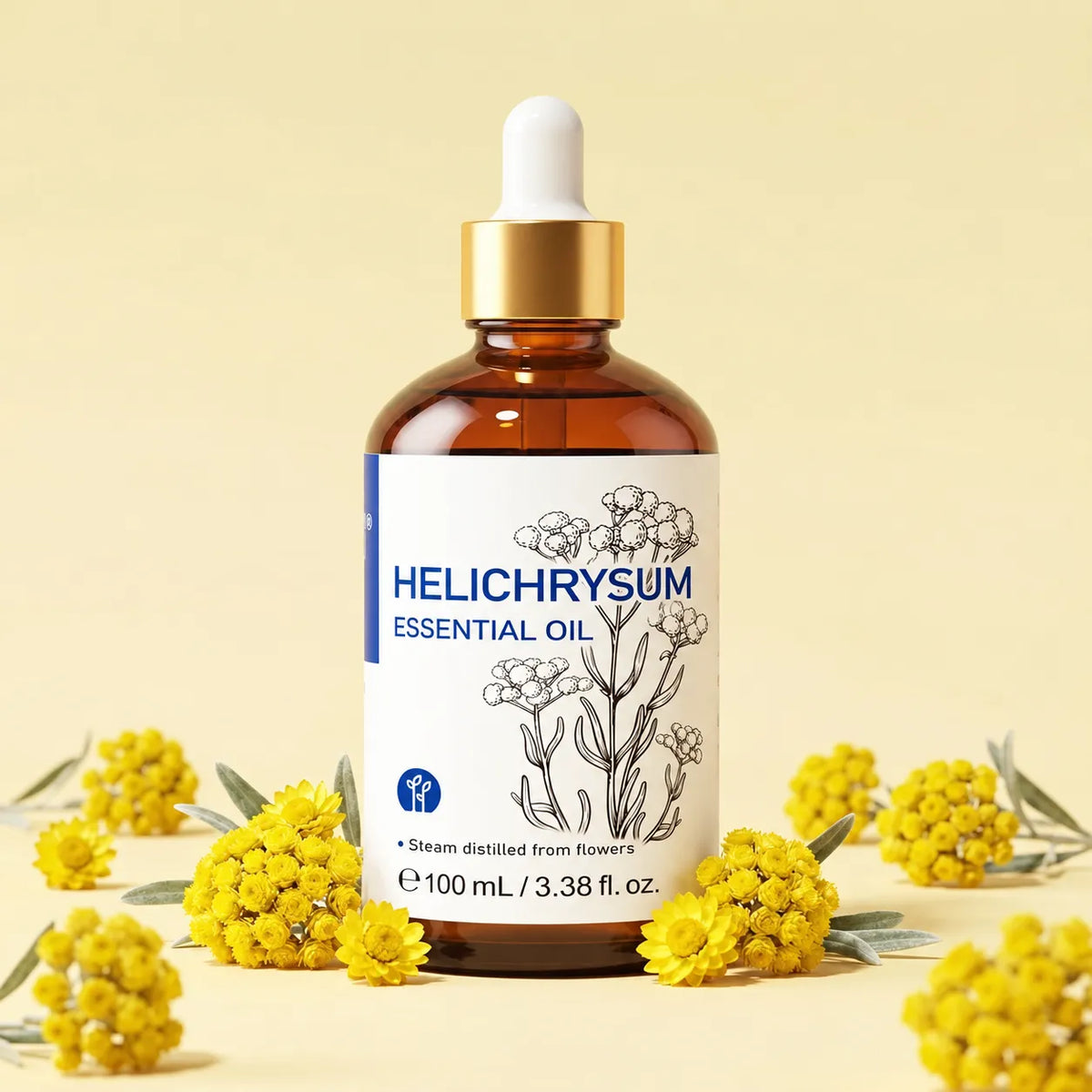
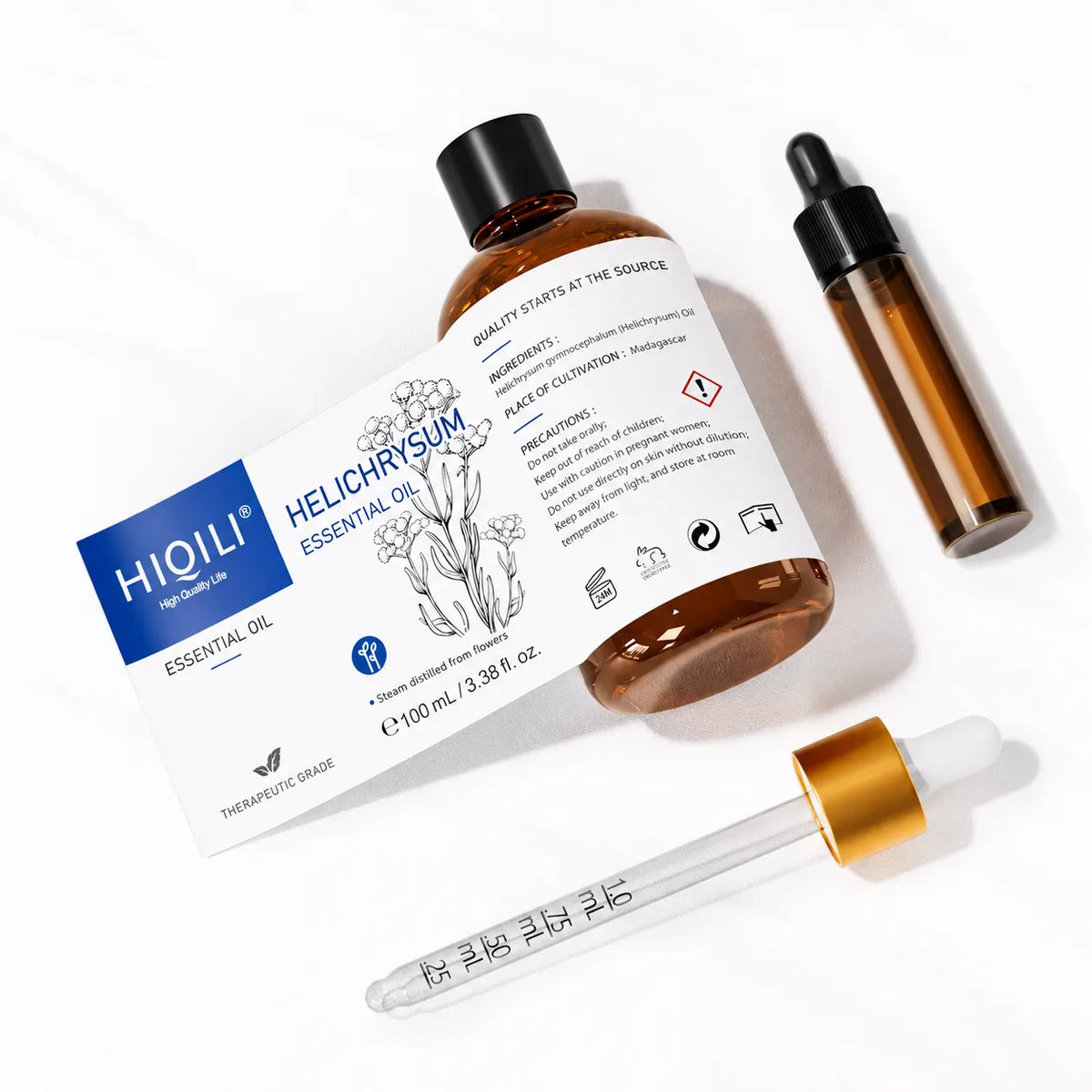


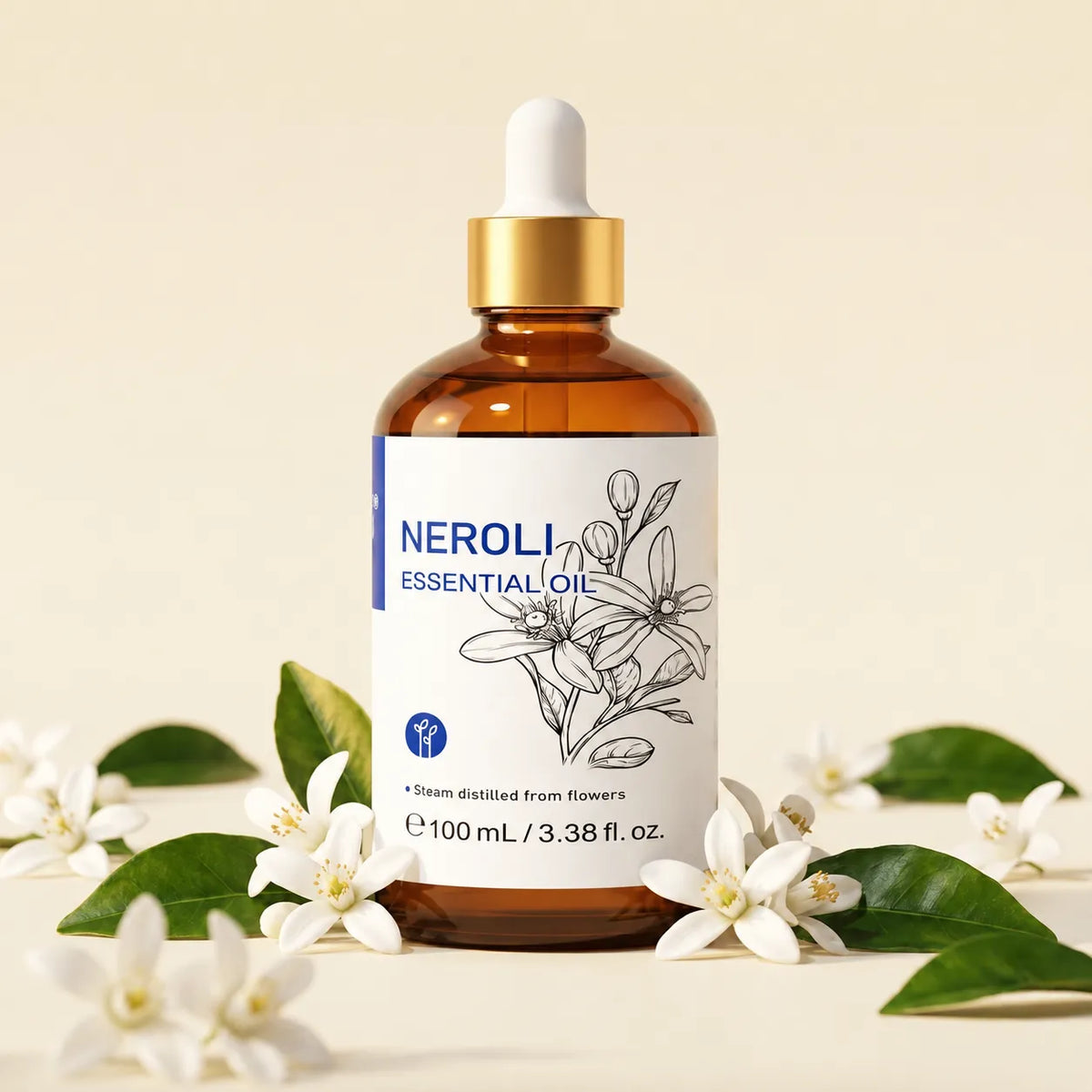
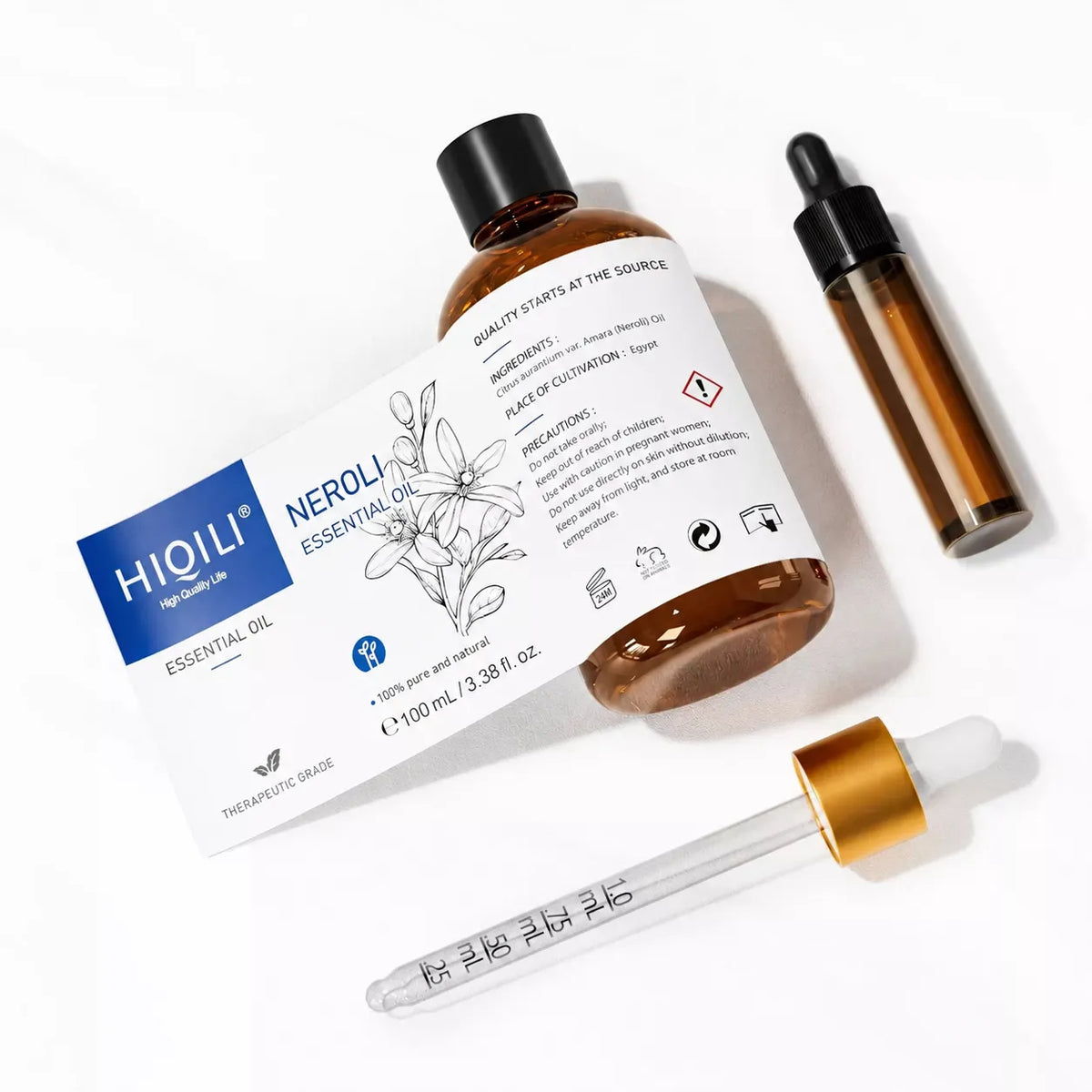


Why Choose HIQILI Single Essential Oils?
HIQILI single essential oils offer distinct plant aromas for diffusers, soap making, candles, and other DIY projects. The collection covers bright citrus, cooling herbs, soft florals, and deeper woody scents, so you can choose an oil that fits the product you are making.
Oils are available in several bottle sizes for home use, small-batch making, and larger projects. Product information is provided for each oil, with COA and MSDS documentation available for eligible products.
How to Choose an Essential Oil
Start with the intended use and the type of scent you want. Some oils work well on their own, while others are better used as one part of a blend.
- For Diffusers: Lavender, Lemon, Peppermint, and Eucalyptus are familiar choices for floral, citrus, cooling, or herbal aromas.
- For Soap Making: Lavender, Tea Tree, Rosemary, and Lemongrass are often used in handmade soap formulas.
- For Custom Blends: Combine top, middle, and base notes to control how a blend opens, develops, and settles.
- For Personal Care: Choose an oil that is suitable for the intended product and dilute it according to a tested formula before skin application.
Essential Oils for DIY Projects
The table below offers a quick starting point for matching essential oils with common projects. Final performance will depend on the formula, base, and amount used.
| Project | Essential Oils to Consider |
|---|---|
| Diffusers & Home Fragrance | Lavender, Peppermint, Eucalyptus, Lemon, Sweet Orange |
| Soap Making | Lavender, Tea Tree, Rosemary, Lemongrass |
| Custom Essential Oil Blends | Bergamot, Frankincense, Cedarwood, Patchouli |
| Bath & Body Projects | Floral, citrus, and herbal essential oils used at an appropriate dilution in a tested formula |
Essential Oil vs. Fragrance Oil
Essential oils and fragrance oils are different types of scent ingredients. Essential oils are aromatic extracts obtained from plant material. Fragrance oils are formulated scent blends that may contain natural ingredients, synthetic aroma materials, or a combination of both.
| Essential Oils | Fragrance Oils | |
|---|---|---|
| Source | Aromatic extracts obtained from plant material | Formulated blends of fragrance ingredients |
| Common Uses | Diffusers, botanical scent blends, soap, and diluted personal care formulas | Candles, wax melts, soap, perfume, and home fragrance products |
| Scent Options | Aromas associated with the source plant | Fruit, floral, gourmand, perfume-inspired, and other formulated scent profiles |
If you are looking for formulated scents for candles, wax melts, or home fragrance, browse our fragrance oils collection .
Sourcing, Extraction & Documentation
Different plants require different extraction methods. Many essential oils are steam distilled, while citrus peel oils are commonly cold pressed. Check the individual product page for details about the oil you plan to use.
- Plant-derived aromatic oils from selected botanical sources
- Steam-distilled or cold-pressed options, depending on the plant material
- COA and MSDS documentation available for eligible products
- Multiple bottle sizes for personal projects and business use
How to Use Essential Oils Safely
Essential oils are concentrated. Follow the directions for the specific oil and finished product, and do not assume that every essential oil is suitable for every application.
- Diffuser Use: Add the amount recommended by the diffuser manufacturer. Use the diffuser in a ventilated space.
- Skin & Hair Products: Dilute the essential oil in a suitable carrier oil such as Jojoba Oil or Sweet Almond Oil or add it to a properly formulated cosmetic base. Patch-test the finished product before wider use.
- Soap, Bath & DIY Projects: Follow a tested formula and the recommended limit for the particular essential oil and application.
A 30/50/20 Starting Point for Essential Oil Blends
The 30/50/20 approach is a simple starting point for arranging top, middle, and base notes. It is not a fixed rule, so adjust the proportions after testing the blend.
- 30% Top Notes: Bright, quick-opening scents such as Lemon or Peppermint.
- 50% Middle Notes: Oils such as Lavender or Rosemary that form the main body of the blend.
- 20% Base Notes: Slower, deeper scents such as Cedarwood or Patchouli.
Make a small trial first and record the number of drops or weight of each oil. Let the blend rest before evaluating it again, since the aroma may change after the oils have had time to combine.
More Oils for DIY Projects
Browse related oils and sets for blending, dilution, and fragrance making:
Domande frequenti
Che cosa sono gli oli essenziali singoli?
Provengono da una sola fonte botanica e ne conservano il profumo caratteristico. Puoi usarli da soli o in miscele.
Come si usano gli oli essenziali nel diffusore?
Segui le istruzioni del diffusore. Inizia con poche gocce, specialmente in stanze piccole. Lavanda, menta, eucalipto e limone sono opzioni comuni.
Posso usarli per fare candele?
Alcuni oli essenziali sono adatti. La resa varia con cera, olio e formula. Fai una piccola prova. Un olio profumato adatto alla cera può dare una resa più costante.
Posso usarli per fare sapone?
Sì, se l’olio è adatto al sapone. Segui una ricetta verificata e controlla il limite d’uso per l’olio e il tipo di sapone.
Gli oli essenziali HIQILI vengono controllati?
Per i prodotti idonei sono disponibili documenti come IFRA51, COA e MSDS. Consulta la scheda del singolo olio per verificare quali documenti sono disponibili.
Come si diluiscono per la pelle?
Diluisci in un olio vettore adatto. Inizia con una concentrazione bassa, prova la miscela su una piccola zona e sospendi l’uso se compare irritazione.
Che cos’è un olio vettore?
È un olio vegetale che diluisce gli oli essenziali per l’uso sulla pelle e aiuta a distribuire la miscela in modo uniforme.
Posso aggiungerli all’umidificatore?
Solo se il produttore dichiara che l’apparecchio è progettato per gli oli. Per profumare, usa un diffusore compatibile.
Gli oli essenziali scadono?
Possono alterarsi con calore, aria e luce. Tieni i flaconi chiusi, al fresco e al buio. Se odore, colore o consistenza cambiano, evita l’uso sulla pelle.
Posso usarli in presenza di animali?
Tieni gli oli fuori portata, evita l’applicazione diretta e arieggia. Chiedi al veterinario indicazioni per il tuo animale prima dell’uso.
Quali oli si abbinano bene?
Prova lavanda, cedro e bergamotto per una nota morbida, menta piperita e arancio dolce per un profumo vivace, oppure limone ed eucalipto per una nota fresca.
Come funziona la regola 30/50/20?
Per bilanciare l’aroma della miscela, prova il 30% di note di testa, il 50% di note di cuore e il 20% di note di fondo. Per il prodotto finito, rispetta i limiti d’uso di ogni olio.