

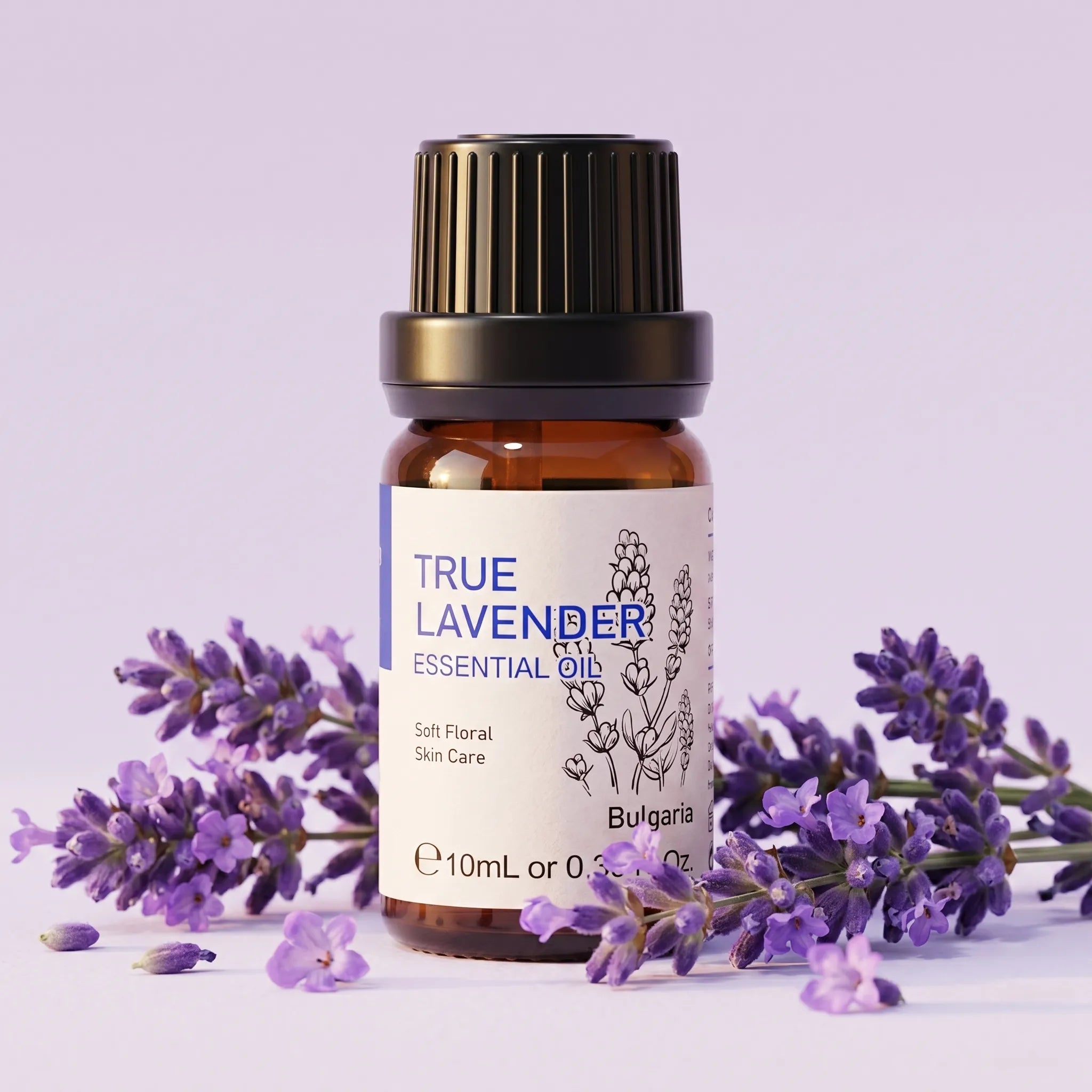
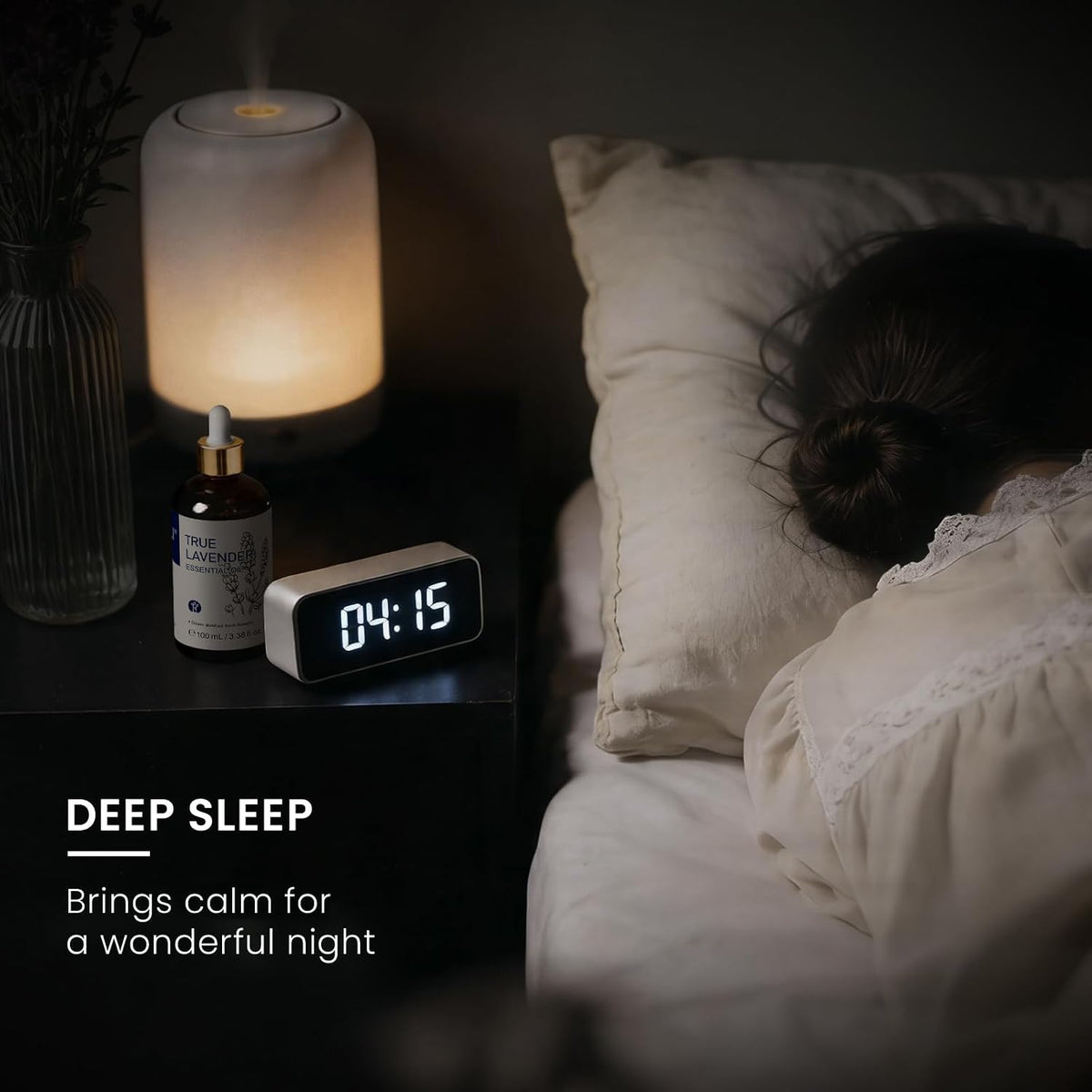


Ätherisches Öl aus echtem Lavendel
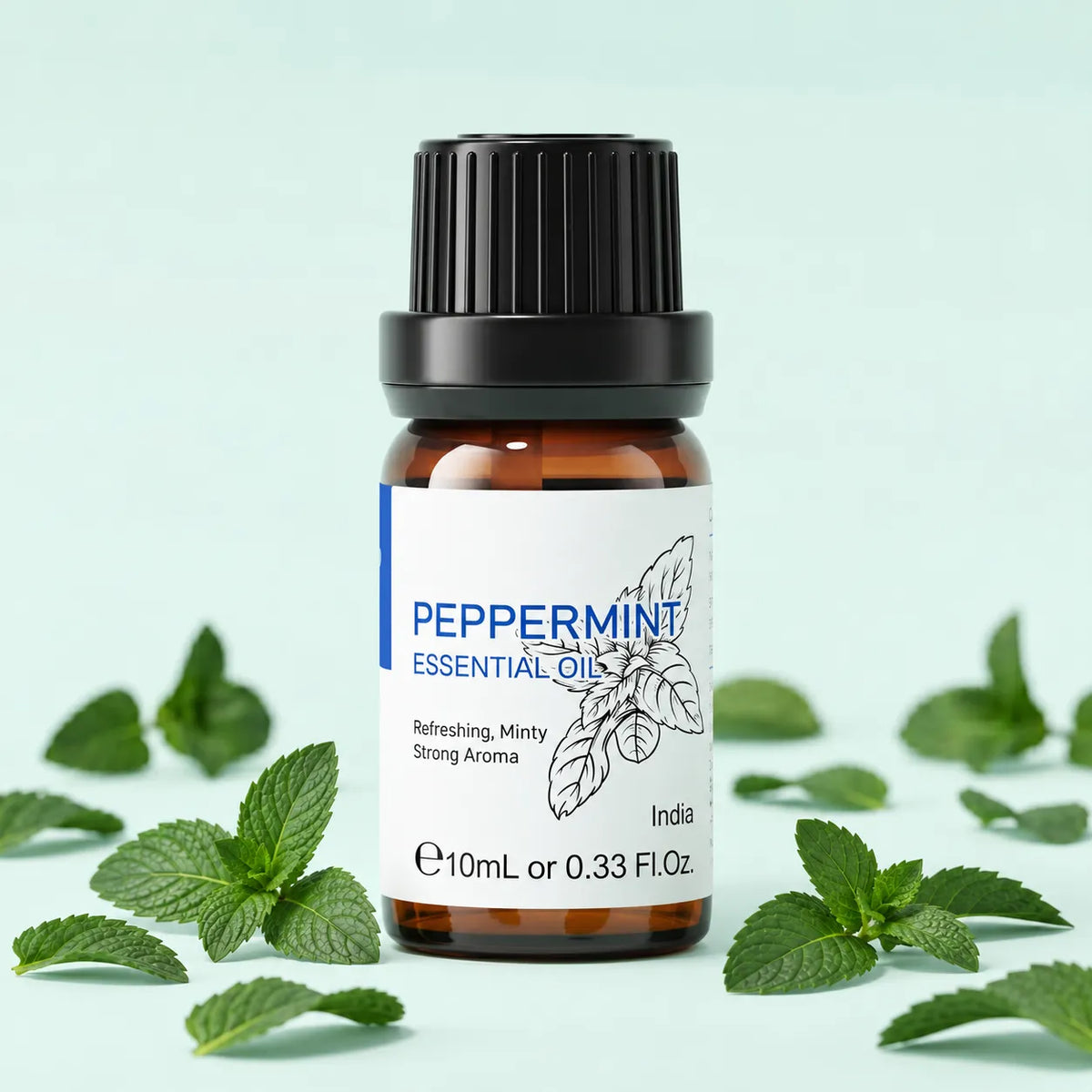
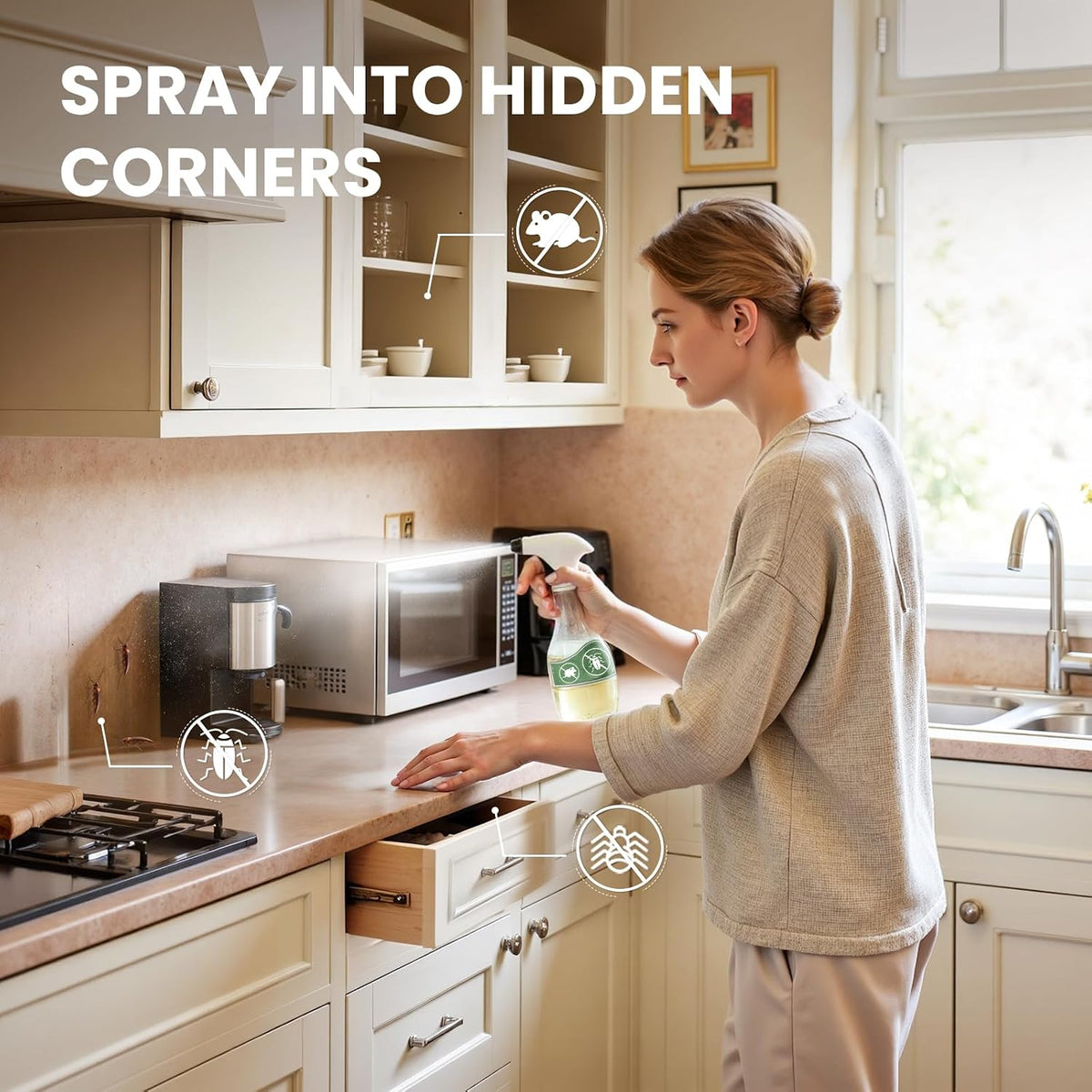


Ätherisches Pfefferminzöl für Diffuser und DIY
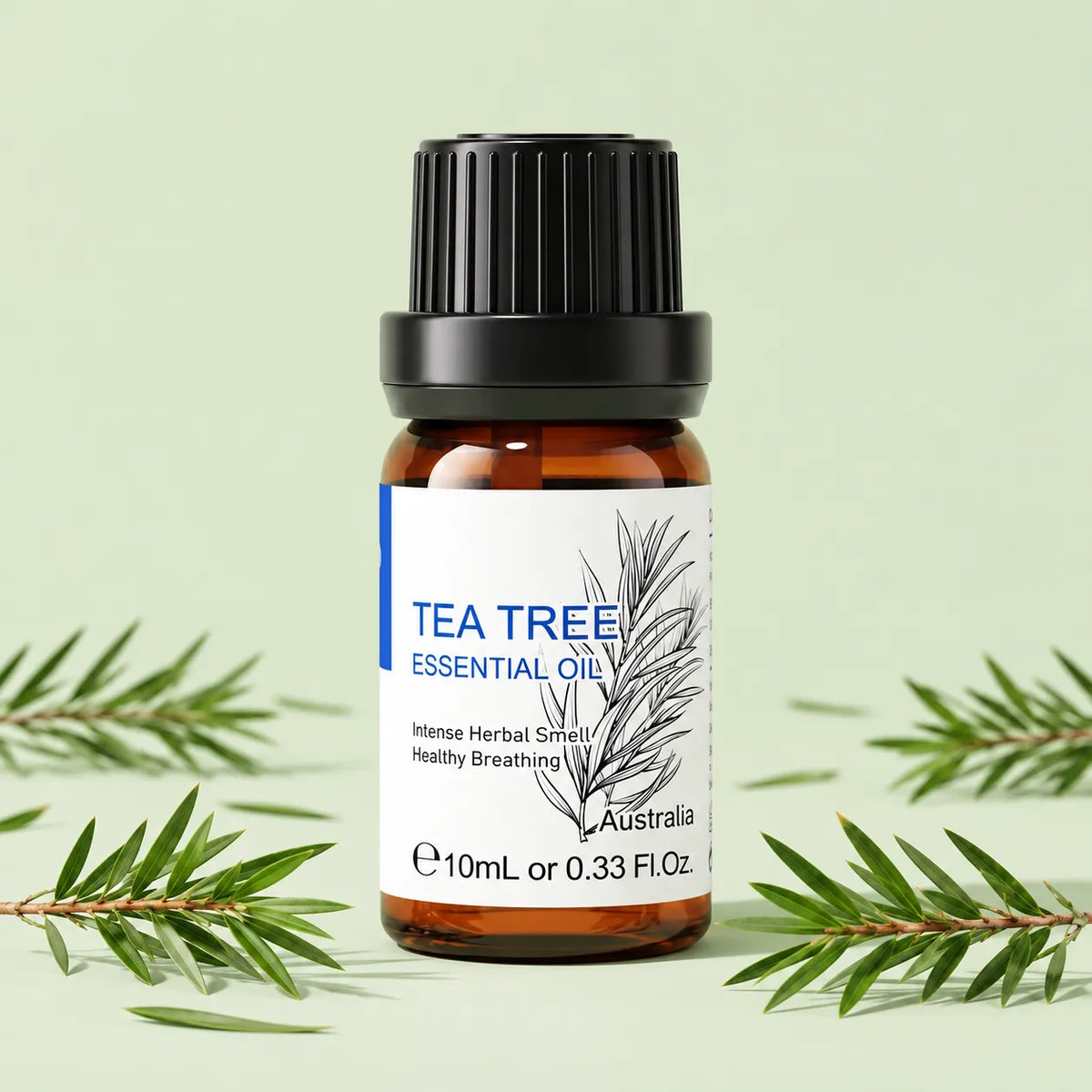
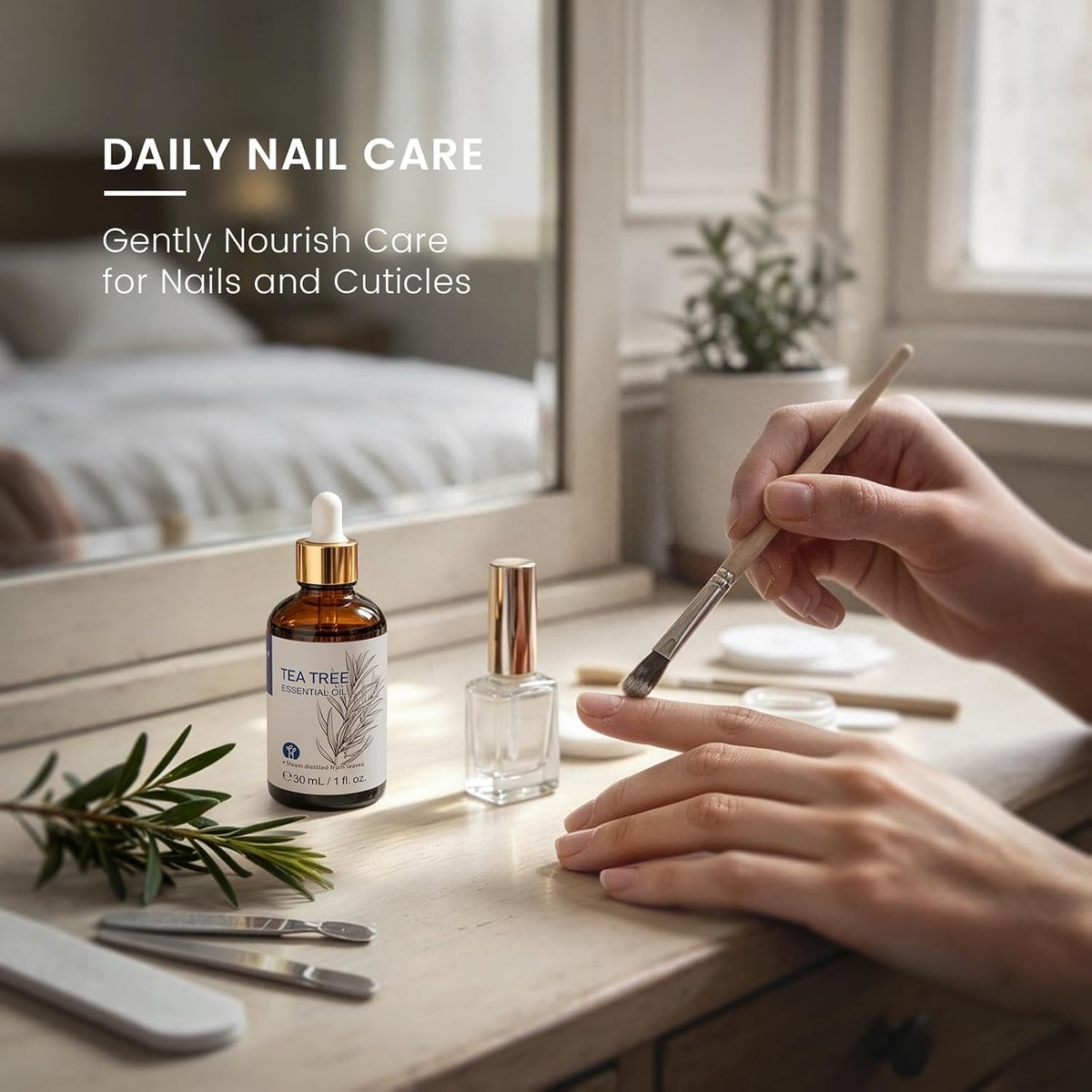
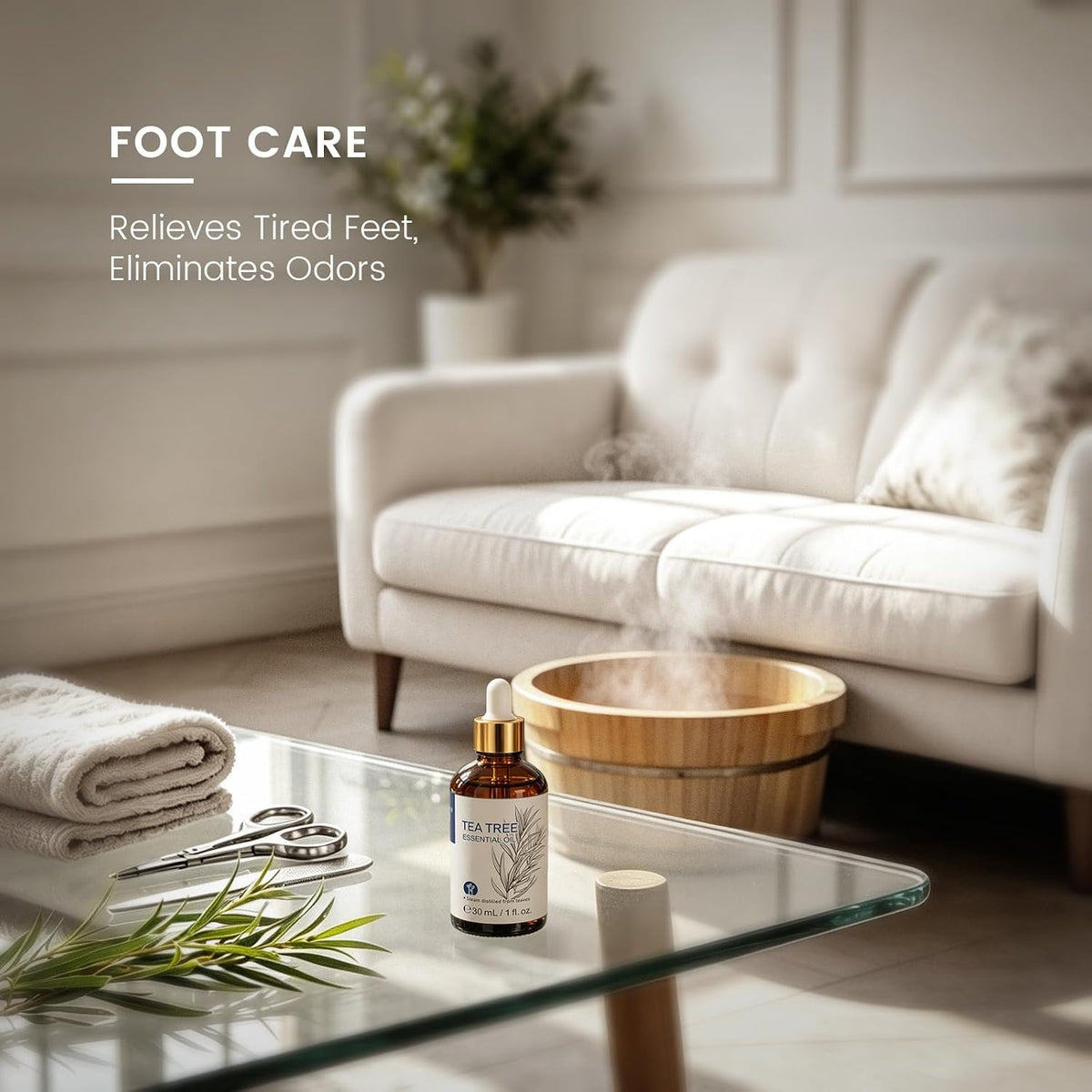
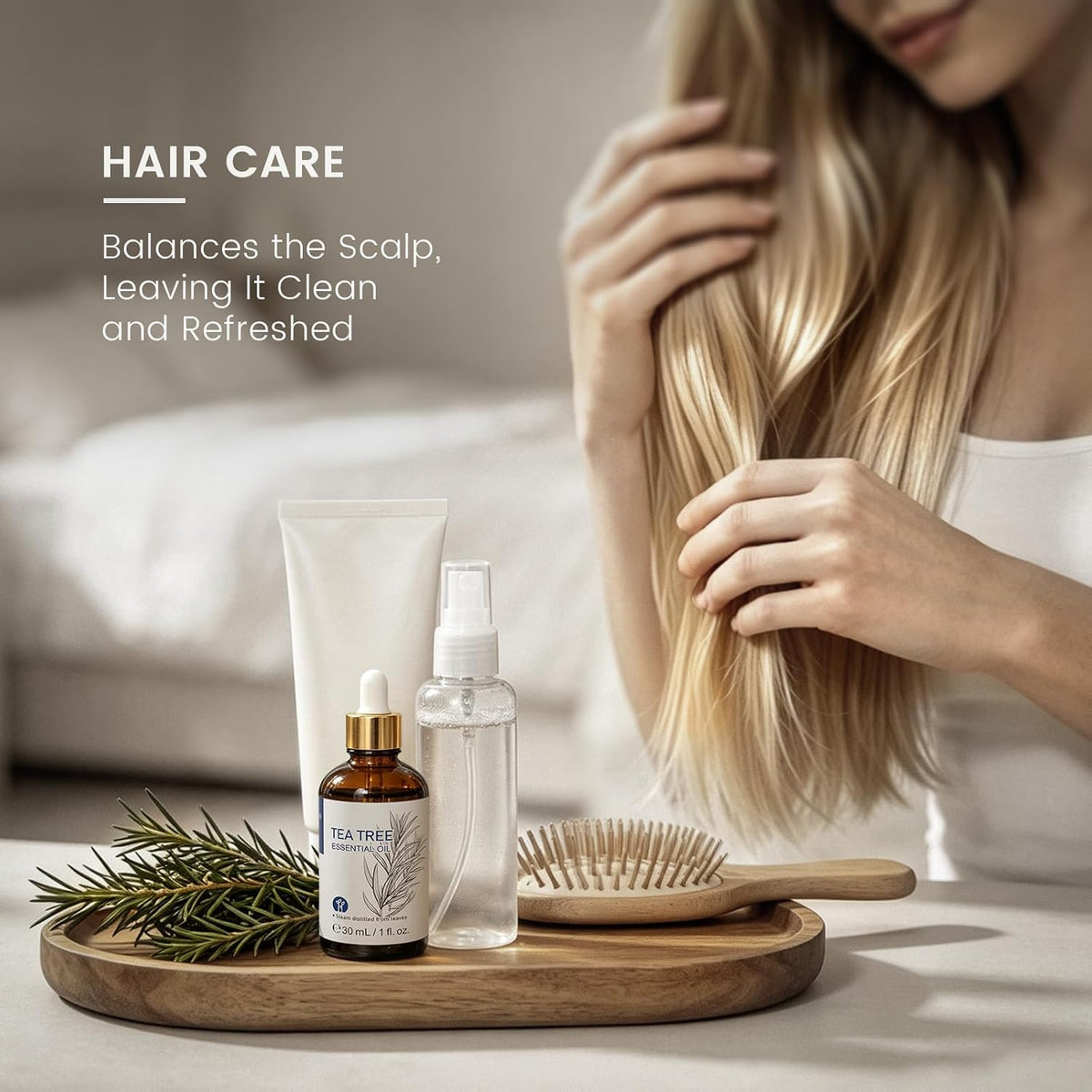
Ätherisches Teebaumöl aus Australien
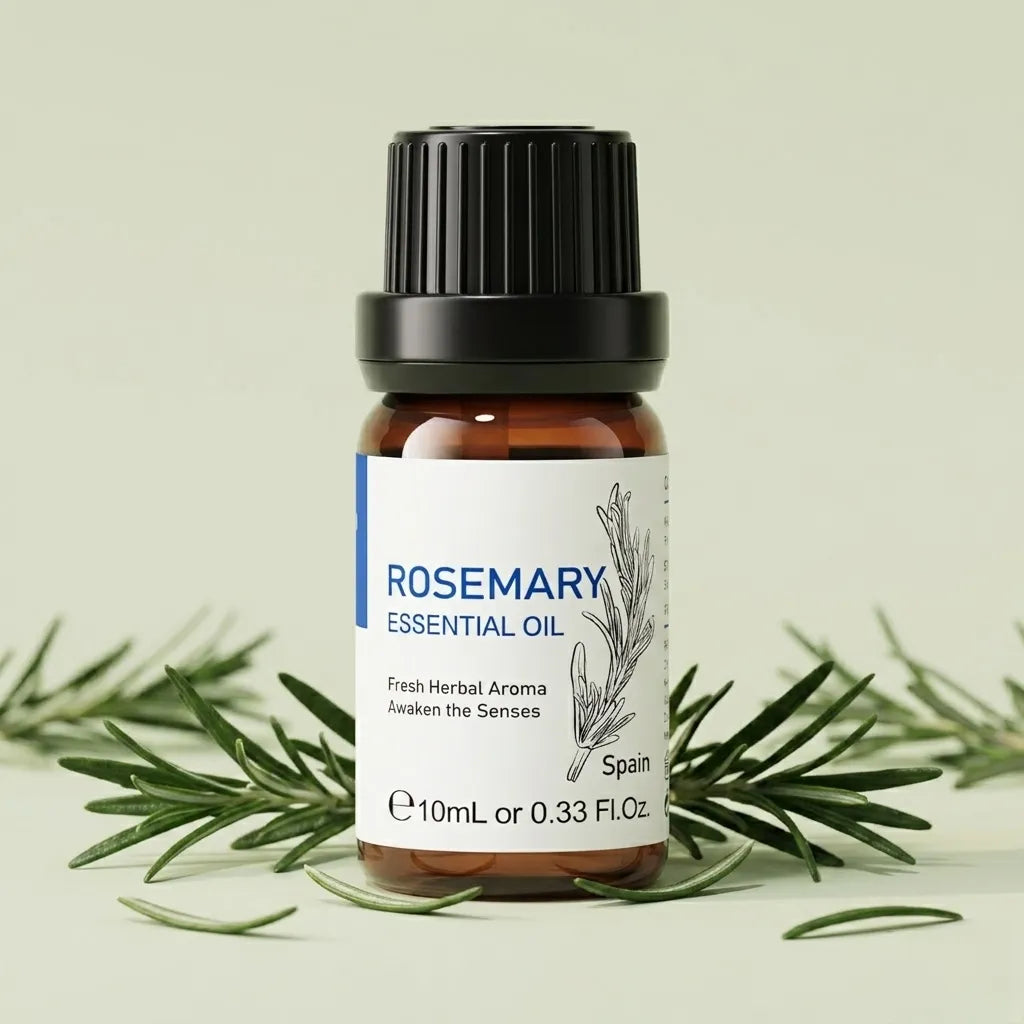
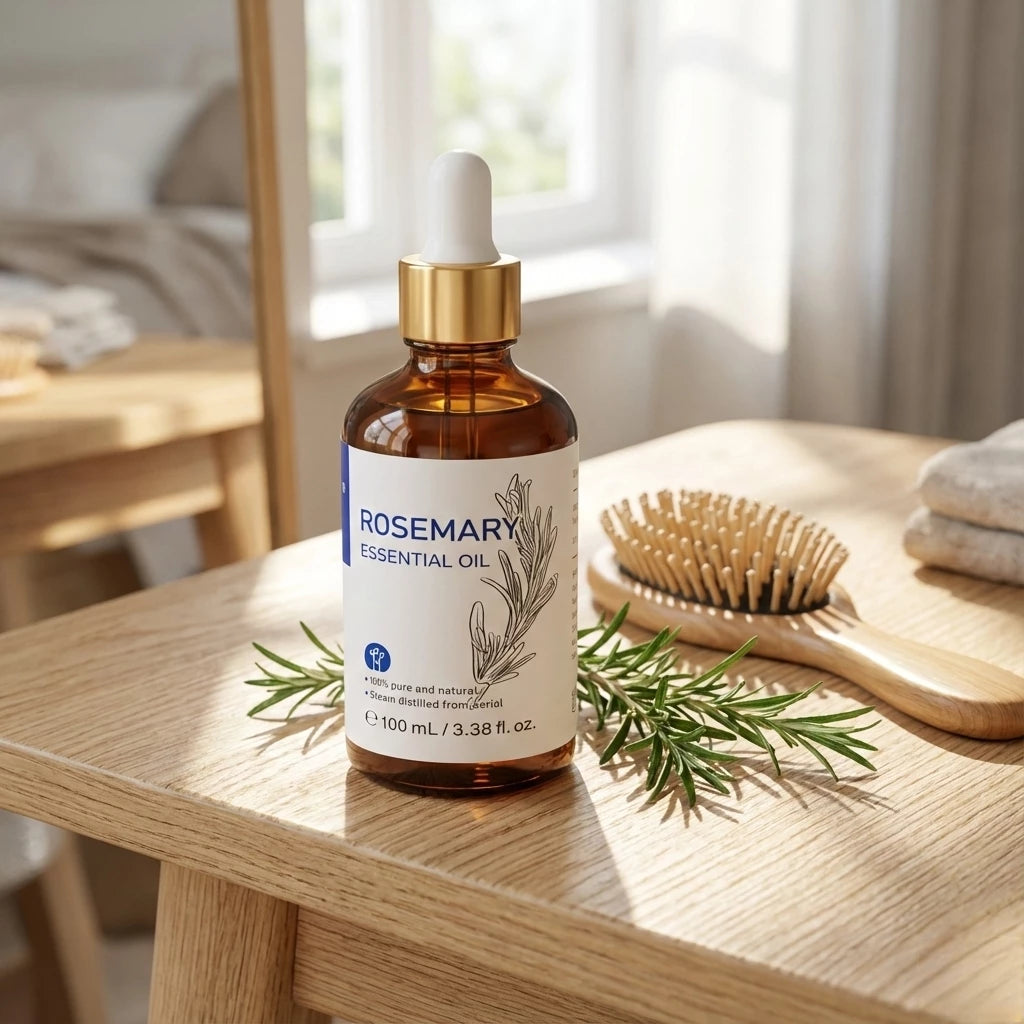
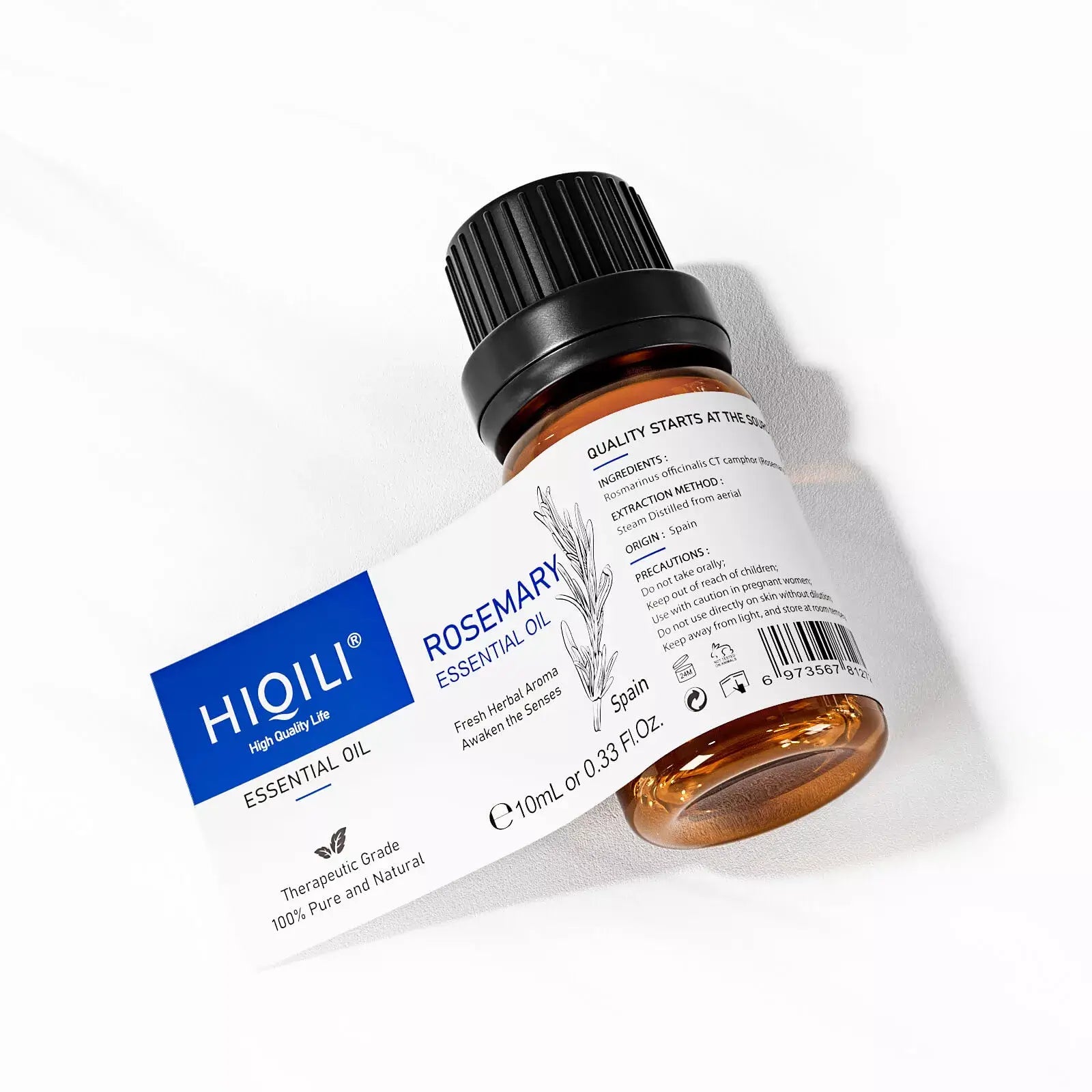
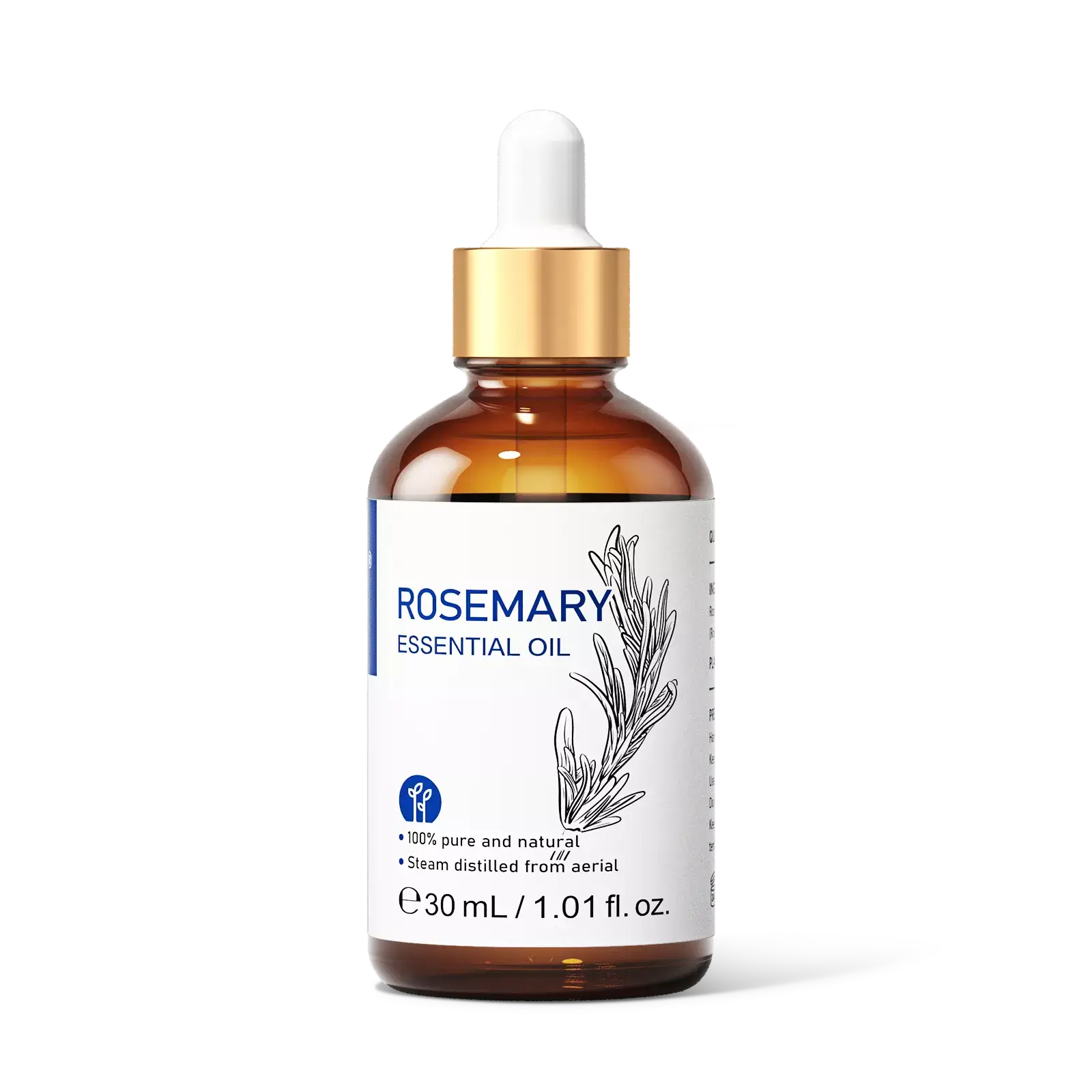
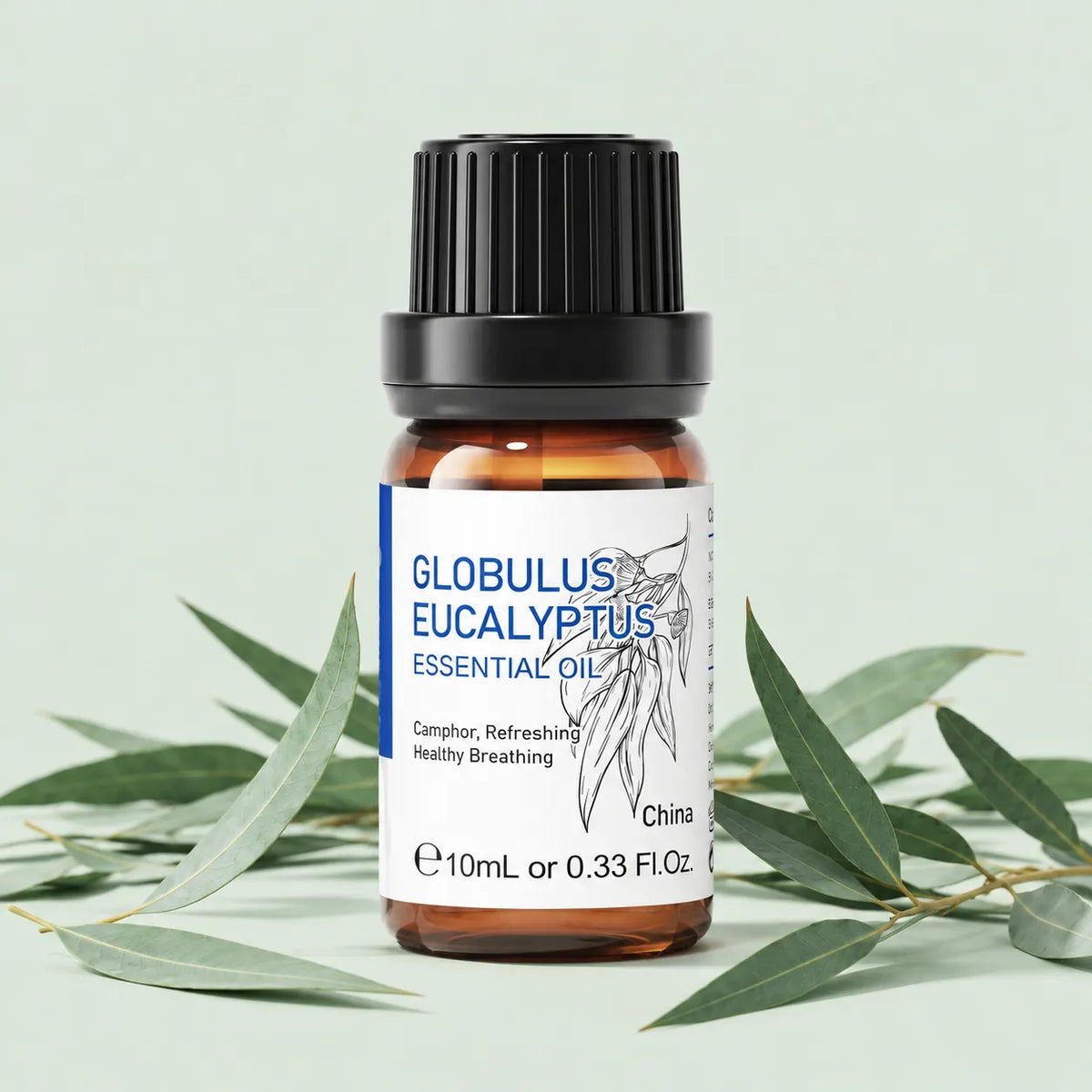


Ätherisches Eukalyptusöl (Eucalyptus globulus)
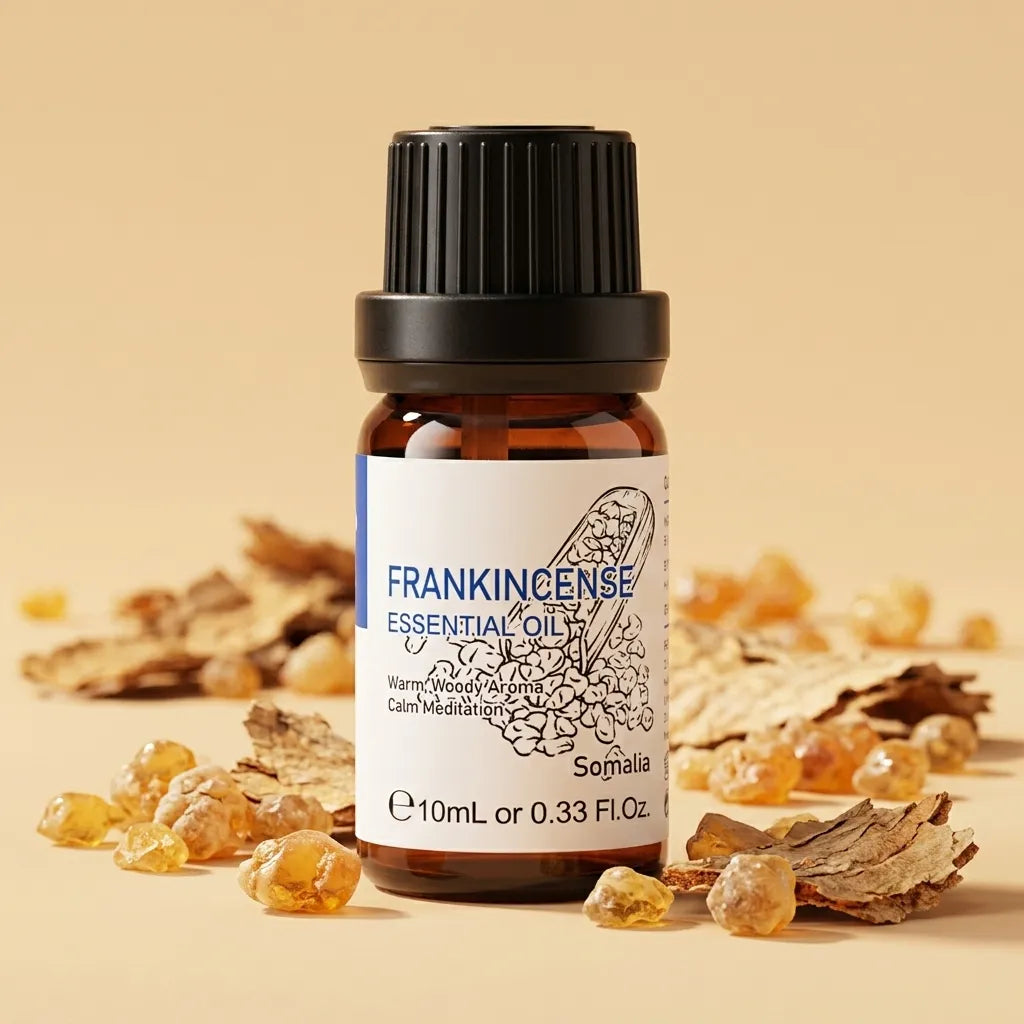

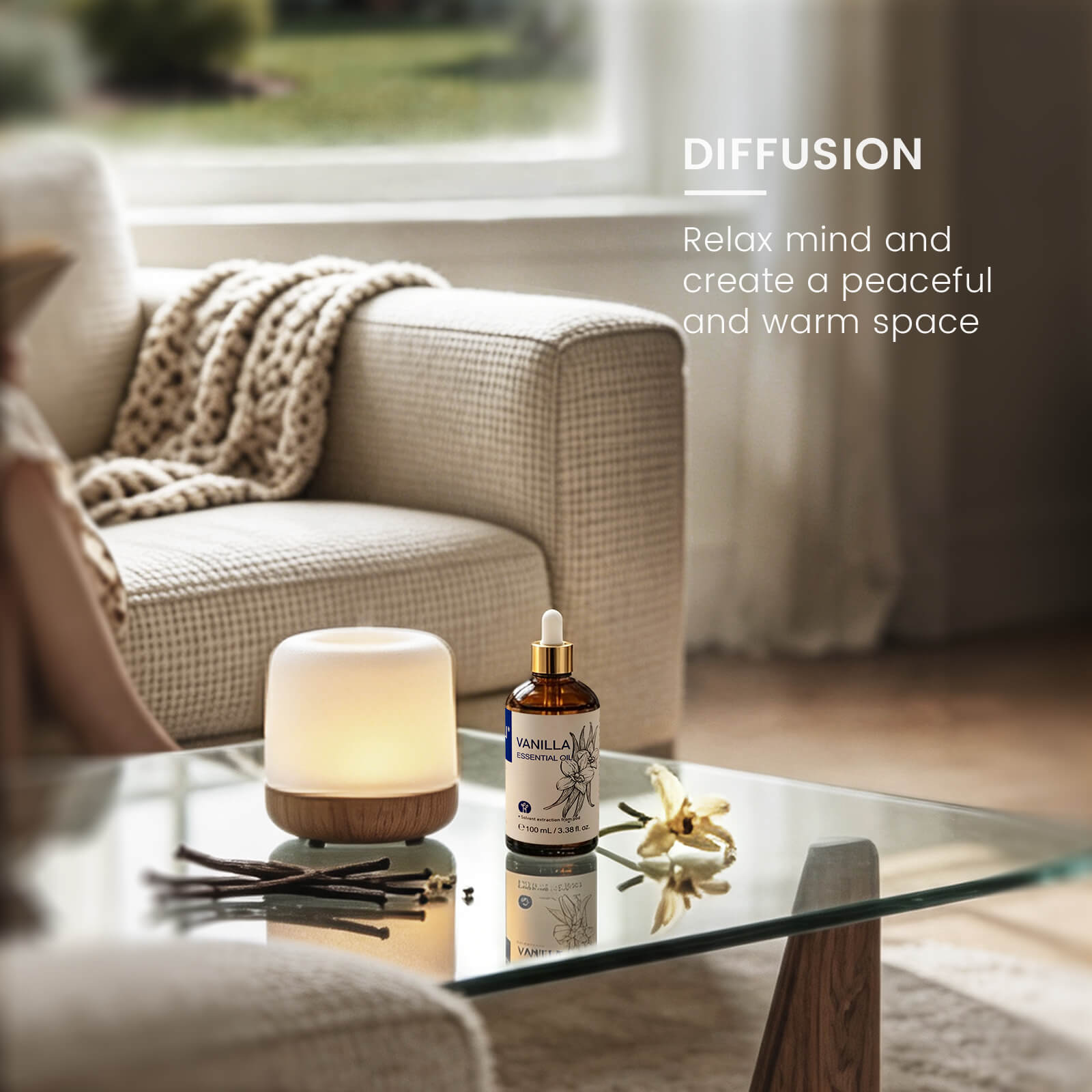
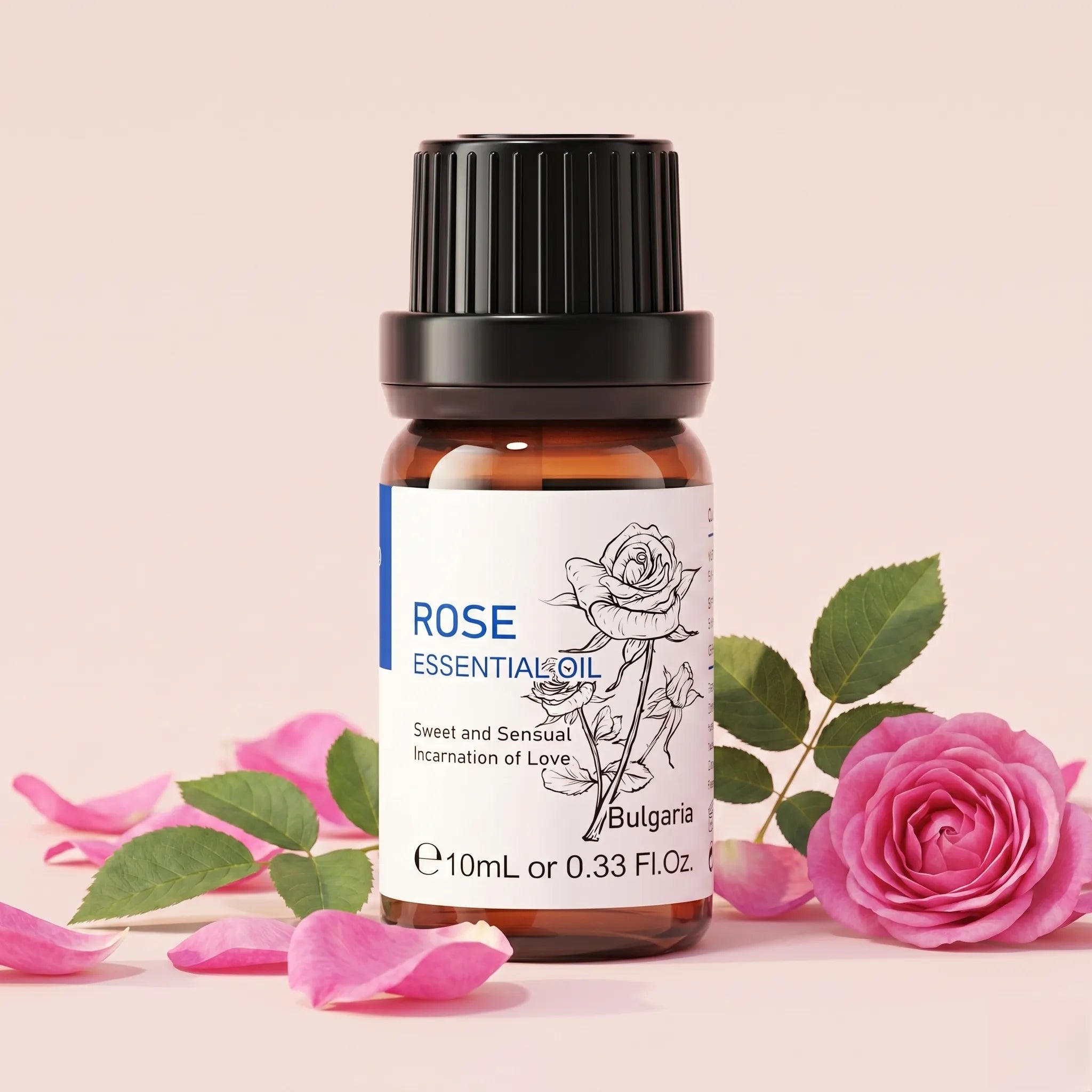
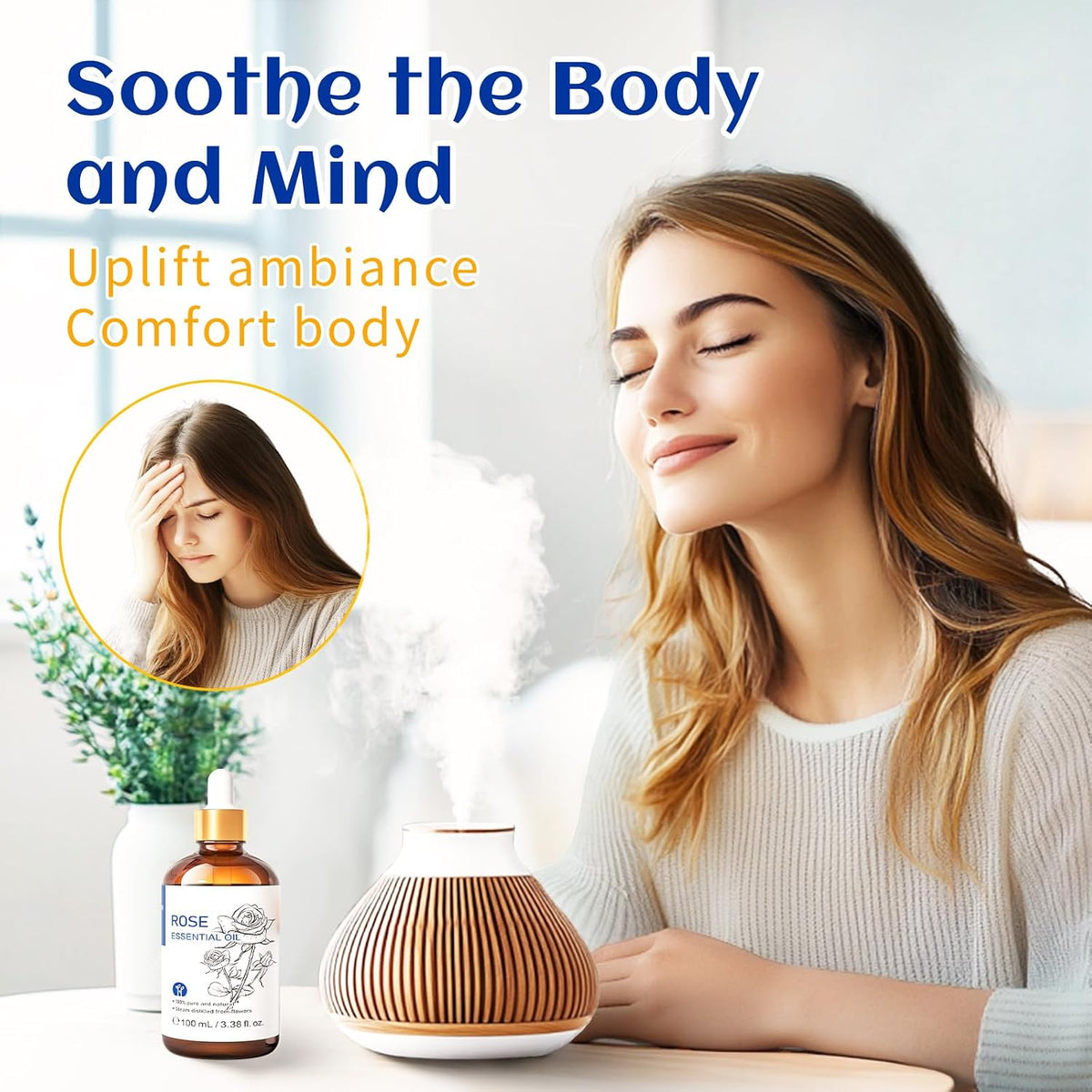
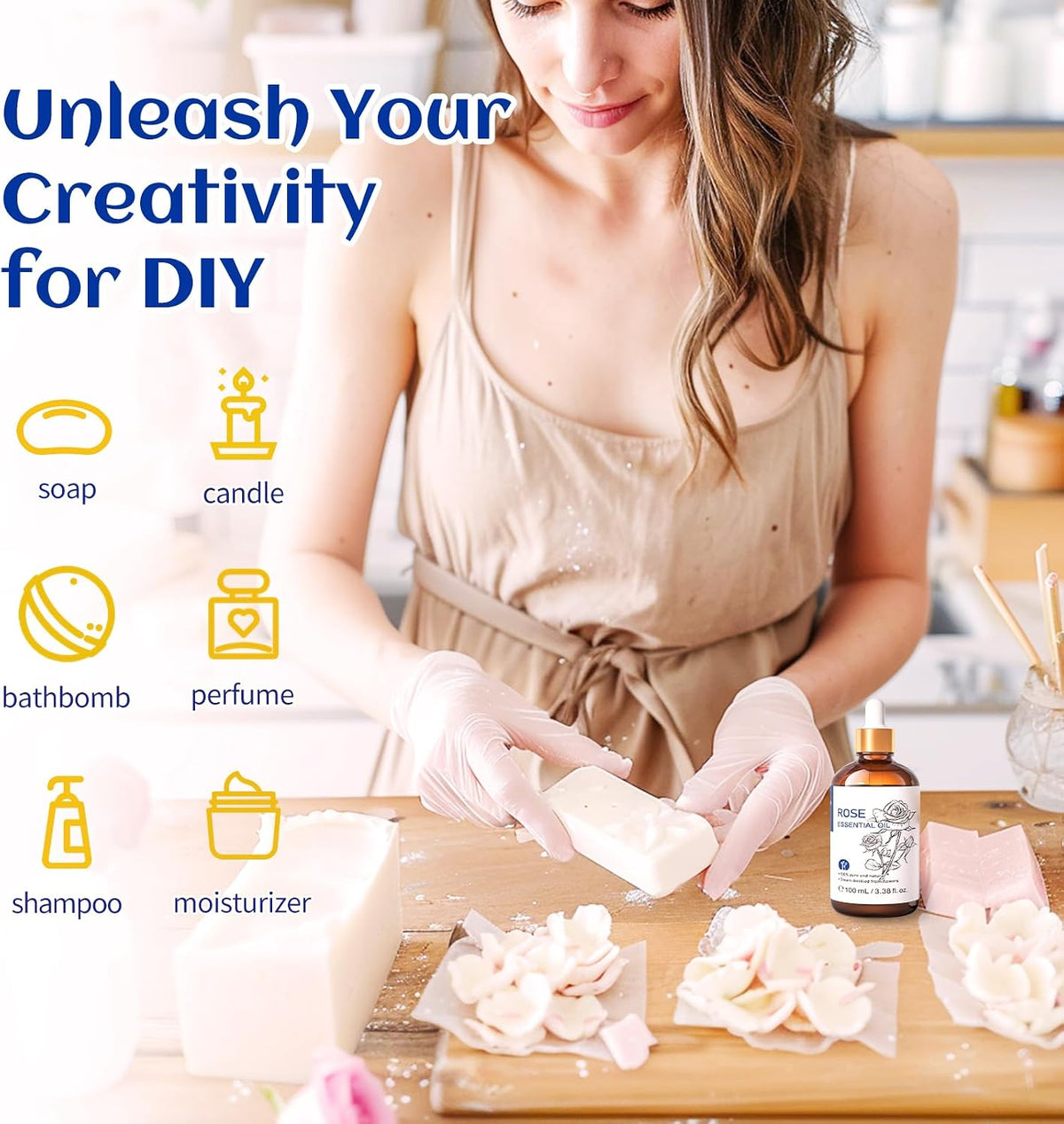
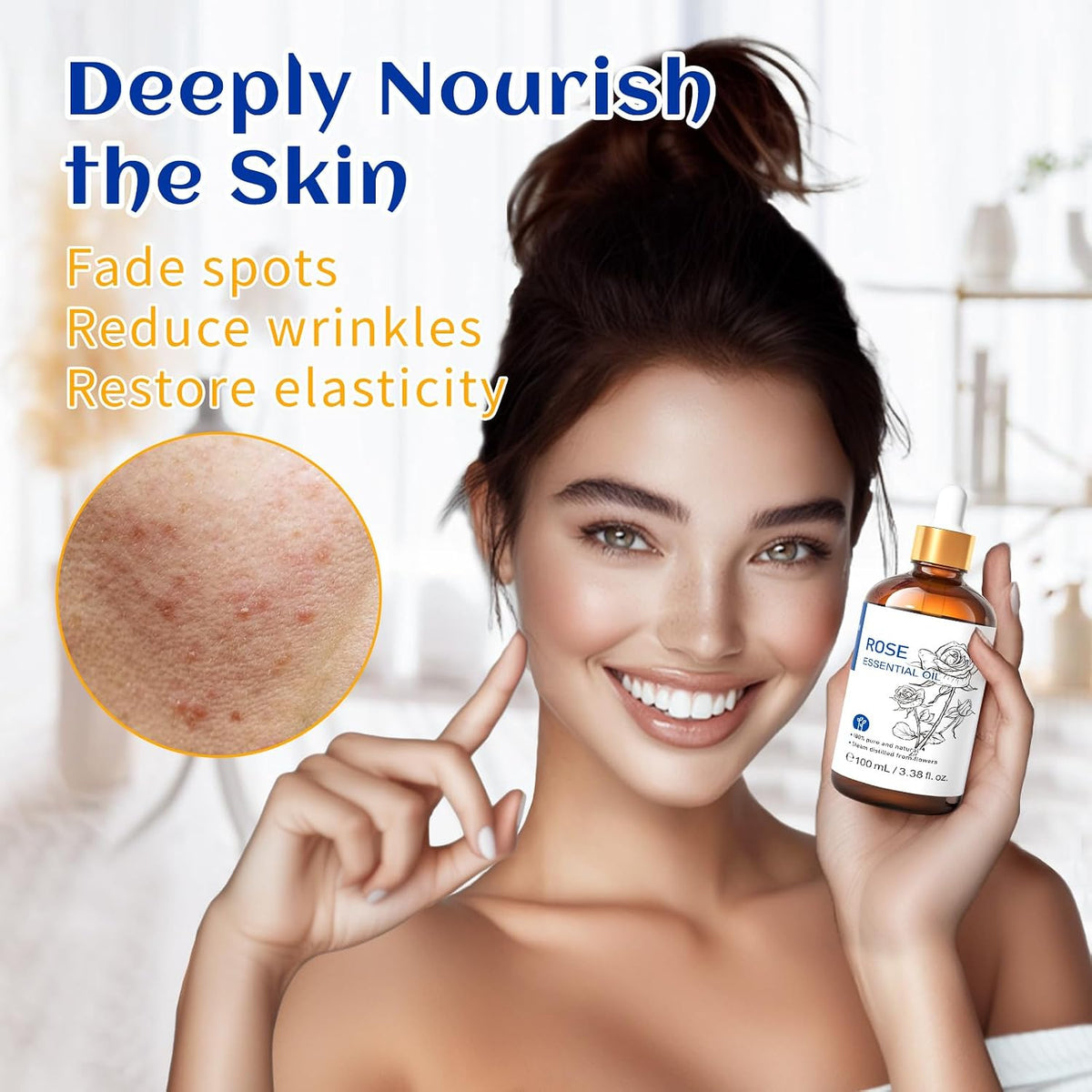


Ätherisches Sandelholzöl für Parfüm und Diffuser
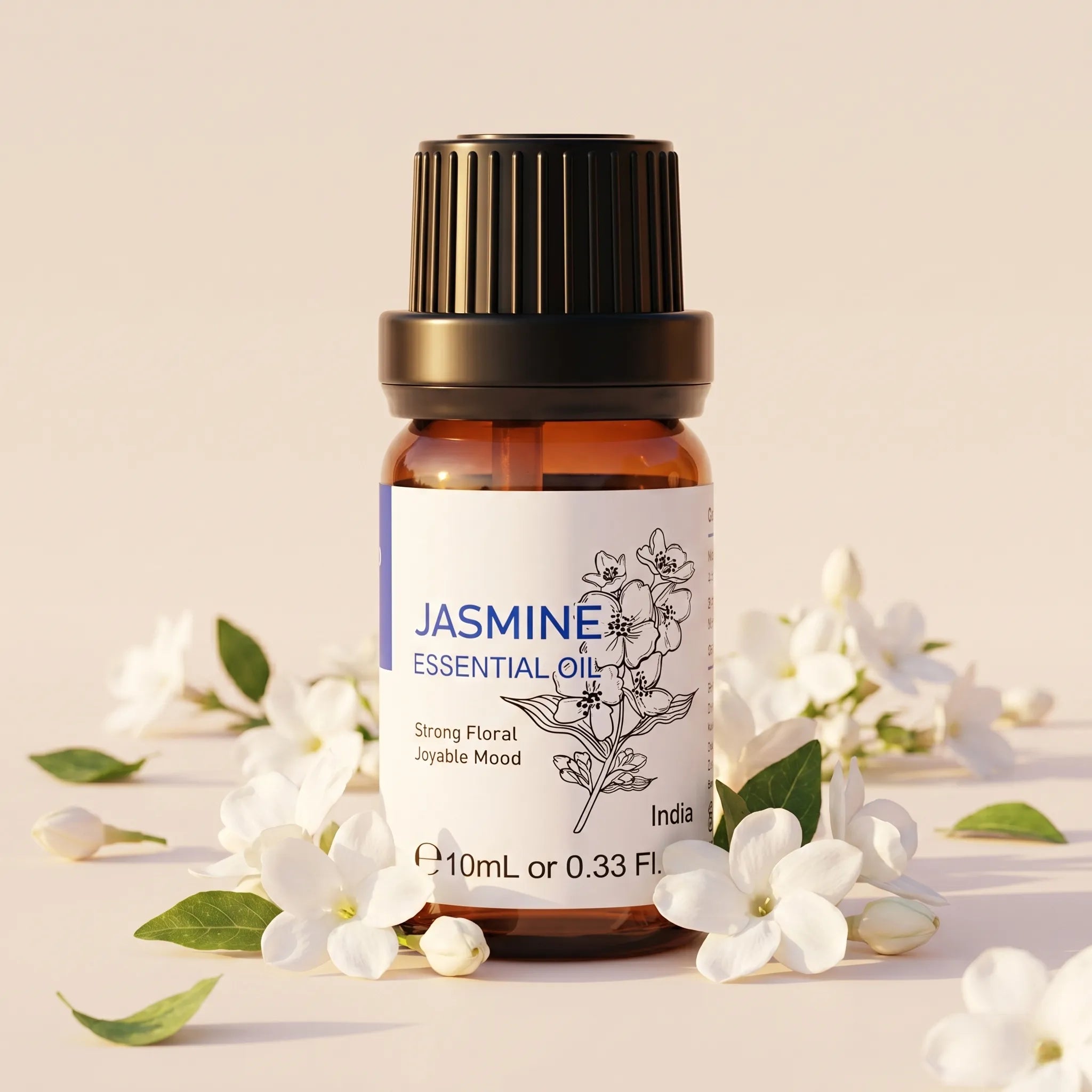


Ätherisches Jasminöl für Parfüm und Diffuser
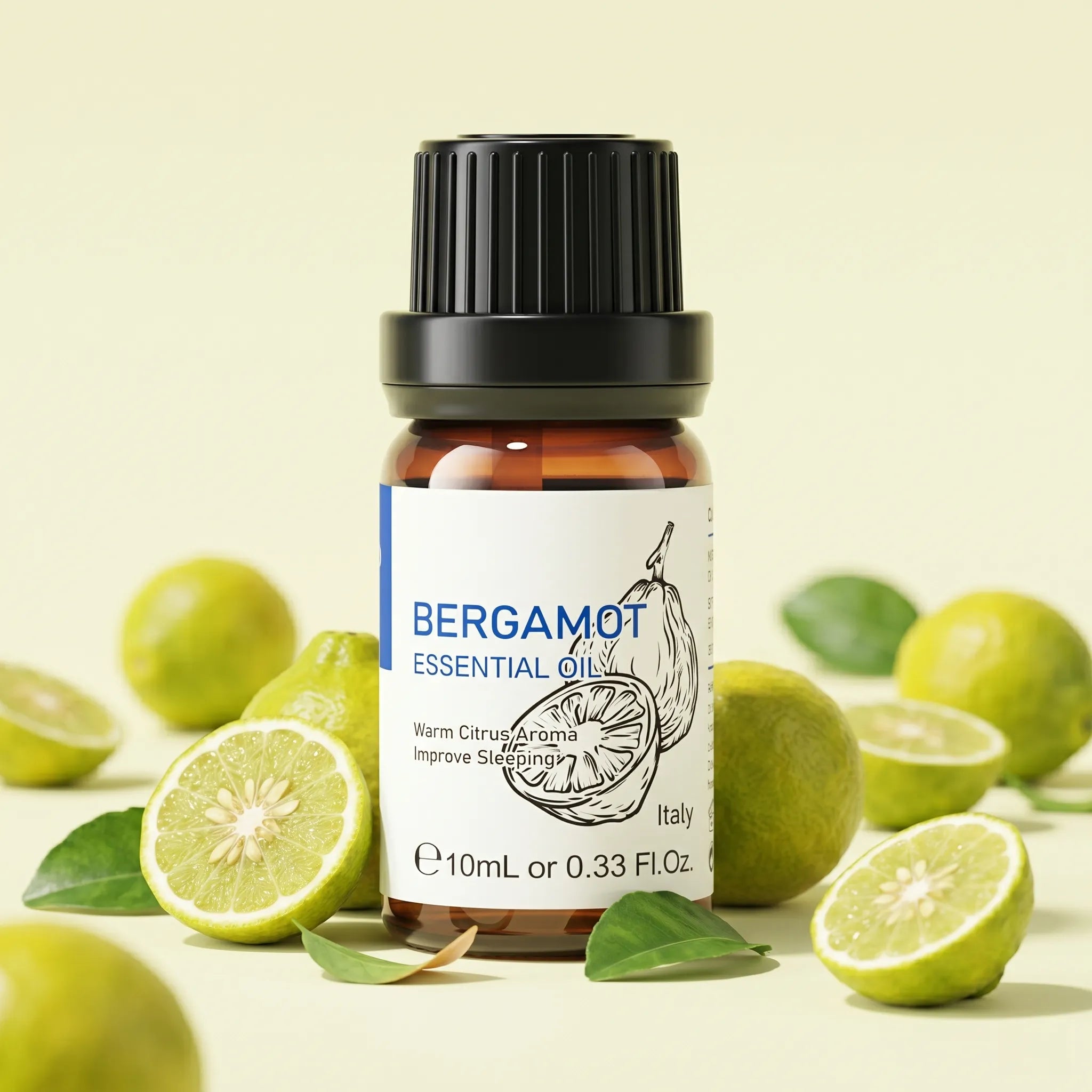


Ätherisches Bergamotteöl aus Italien
Why Choose HIQILI Single Essential Oils?
HIQILI single essential oils offer distinct plant aromas for diffusers, soap making, candles, and other DIY projects. The collection covers bright citrus, cooling herbs, soft florals, and deeper woody scents, so you can choose an oil that fits the product you are making.
Oils are available in several bottle sizes for home use, small-batch making, and larger projects. Product information is provided for each oil, with COA and MSDS documentation available for eligible products.
How to Choose an Essential Oil
Start with the intended use and the type of scent you want. Some oils work well on their own, while others are better used as one part of a blend.
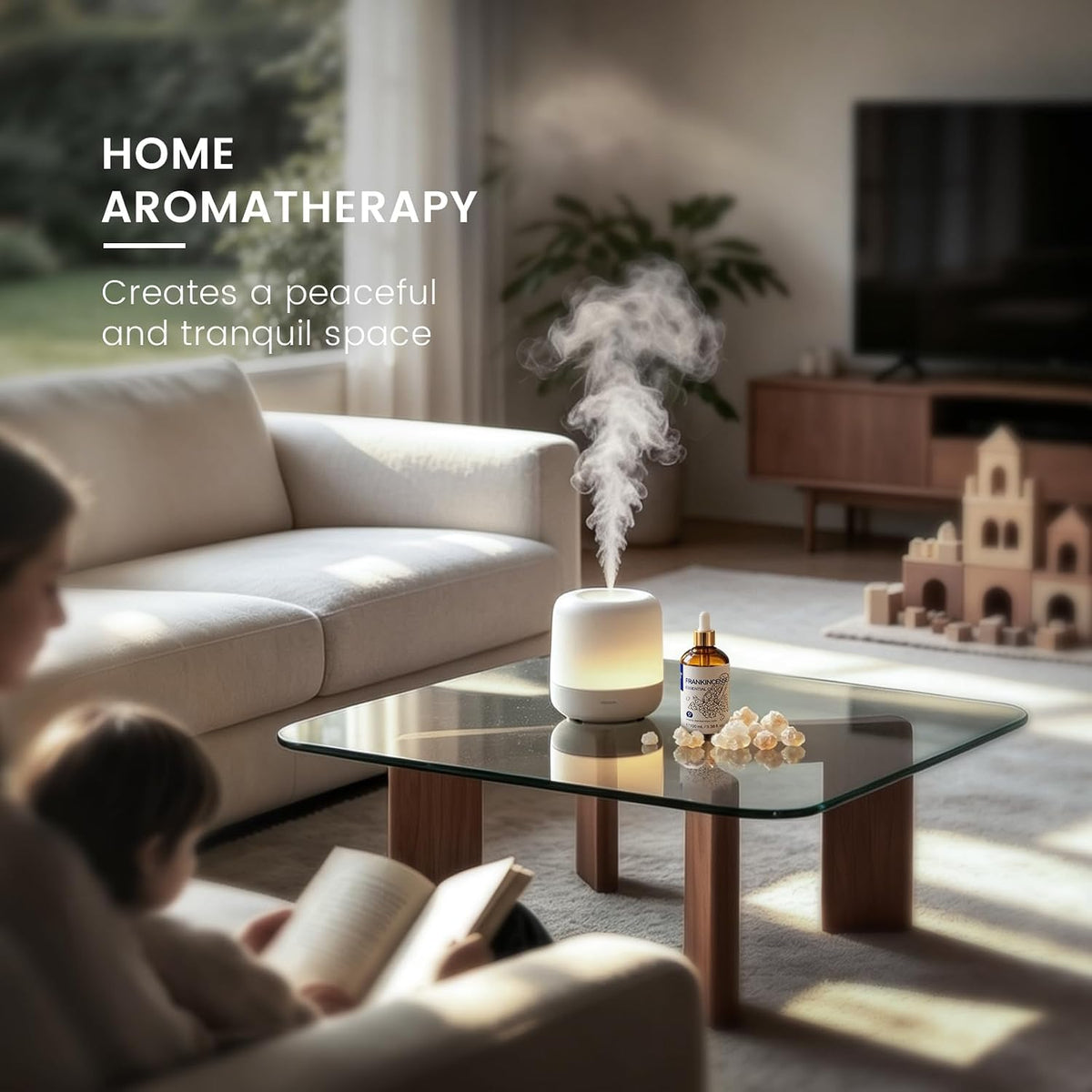
- For Diffusers: Lavender, Lemon, Peppermint, and Eucalyptus are familiar choices for floral, citrus, cooling, or herbal aromas.
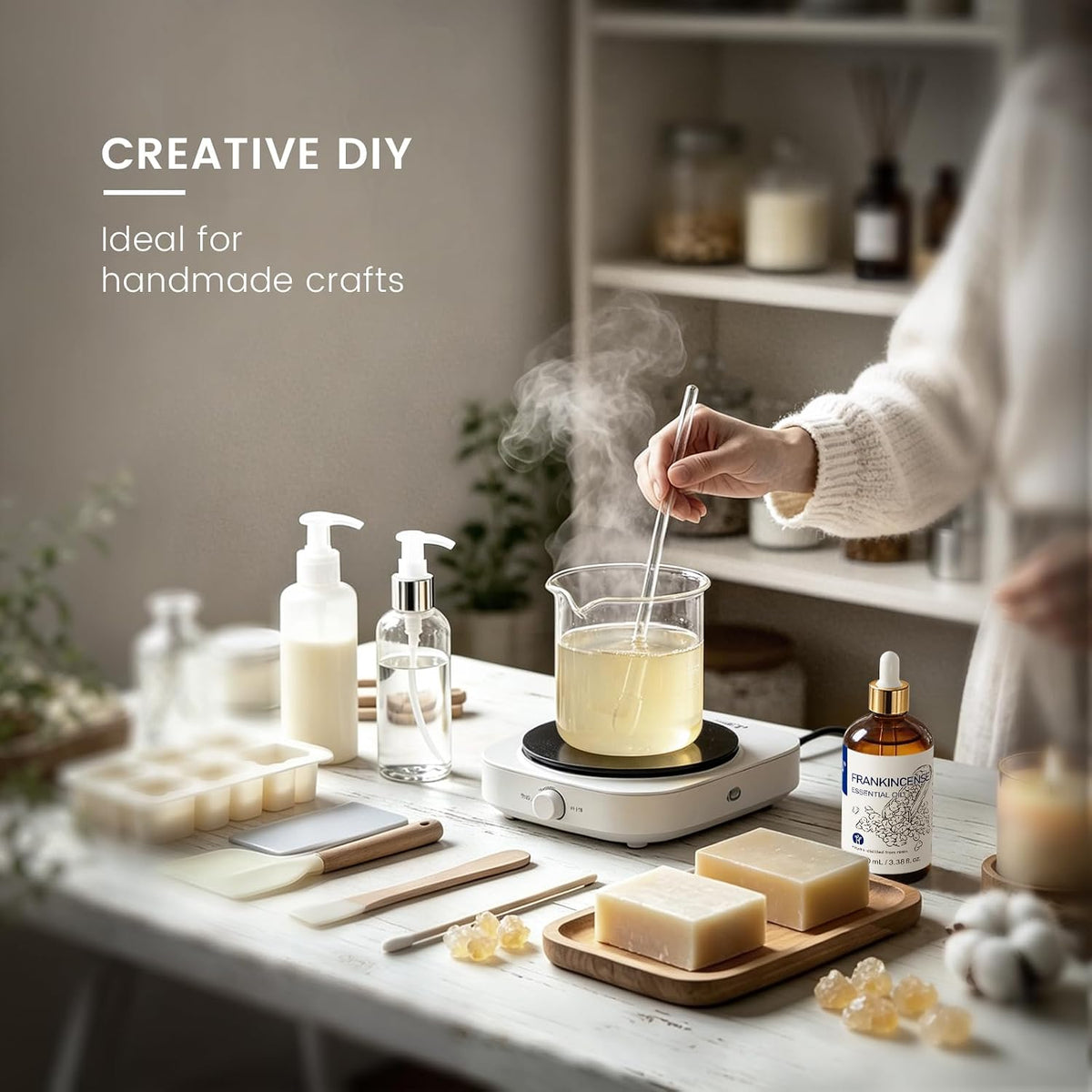
- For Soap Making: Lavender, Tea Tree, Rosemary, and Lemongrass are often used in handmade soap formulas.
- For Custom Blends: Combine top, middle, and base notes to control how a blend opens, develops, and settles.
- For Personal Care: Choose an oil that is suitable for the intended product and dilute it according to a tested formula before skin application.
Essential Oils for DIY Projects
The table below offers a quick starting point for matching essential oils with common projects. Final performance will depend on the formula, base, and amount used.
| Project | Essential Oils to Consider |
|---|---|
| Diffusers & Home Fragrance | Lavender, Peppermint, Eucalyptus, Lemon, Sweet Orange |
| Soap Making | Lavender, Tea Tree, Rosemary, Lemongrass |
| Custom Essential Oil Blends | Bergamot, Frankincense, Cedarwood, Patchouli |
| Bath & Body Projects | Floral, citrus, and herbal essential oils used at an appropriate dilution in a tested formula |
Essential Oil vs. Fragrance Oil
Essential oils and fragrance oils are different types of scent ingredients. Essential oils are aromatic extracts obtained from plant material. Fragrance oils are formulated scent blends that may contain natural ingredients, synthetic aroma materials, or a combination of both.
| Essential Oils | Fragrance Oils | |
|---|---|---|
| Source | Aromatic extracts obtained from plant material | Formulated blends of fragrance ingredients |
| Common Uses | Diffusers, botanical scent blends, soap, and diluted personal care formulas | Candles, wax melts, soap, perfume, and home fragrance products |
| Scent Options | Aromas associated with the source plant | Fruit, floral, gourmand, perfume-inspired, and other formulated scent profiles |
If you are looking for formulated scents for candles, wax melts, or home fragrance, browse our fragrance oils collection .
Sourcing, Extraction & Documentation
Different plants require different extraction methods. Many essential oils are steam distilled, while citrus peel oils are commonly cold pressed. Check the individual product page for details about the oil you plan to use.
- Plant-derived aromatic oils from selected botanical sources
- Steam-distilled or cold-pressed options, depending on the plant material
- COA and MSDS documentation available for eligible products
- Multiple bottle sizes for personal projects and business use
How to Use Essential Oils Safely
Essential oils are concentrated. Follow the directions for the specific oil and finished product, and do not assume that every essential oil is suitable for every application.
- Diffuser Use: Add the amount recommended by the diffuser manufacturer. Use the diffuser in a ventilated space.
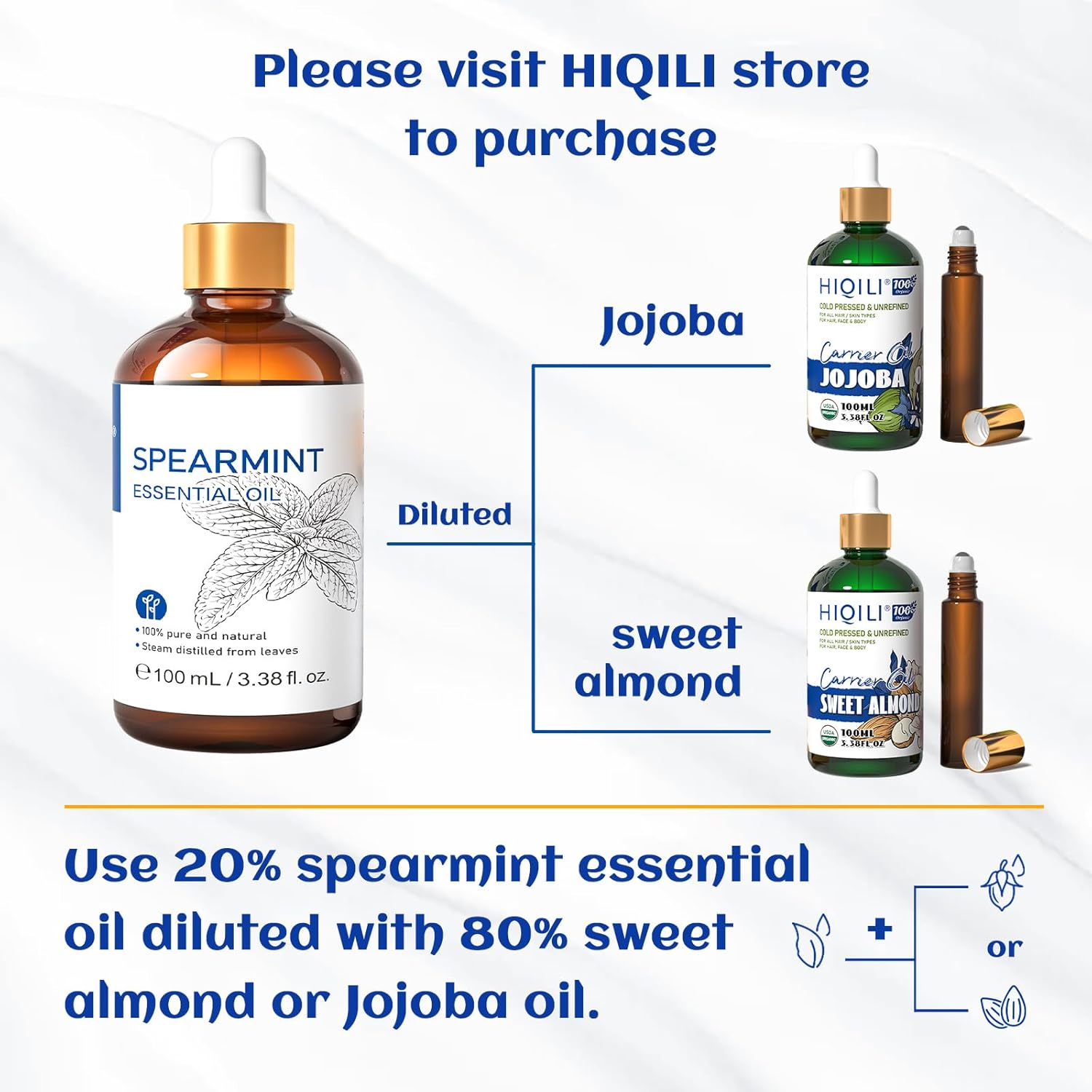
- Skin & Hair Products: Dilute the essential oil in a suitable carrier oil such as Jojoba Oil or Sweet Almond Oil or add it to a properly formulated cosmetic base. Patch-test the finished product before wider use.
- Soap, Bath & DIY Projects: Follow a tested formula and the recommended limit for the particular essential oil and application.
A 30/50/20 Starting Point for Essential Oil Blends
The 30/50/20 approach is a simple starting point for arranging top, middle, and base notes. It is not a fixed rule, so adjust the proportions after testing the blend.
- 30% Top Notes: Bright, quick-opening scents such as Lemon or Peppermint.
- 50% Middle Notes: Oils such as Lavender or Rosemary that form the main body of the blend.
- 20% Base Notes: Slower, deeper scents such as Cedarwood or Patchouli.
Make a small trial first and record the number of drops or weight of each oil. Let the blend rest before evaluating it again, since the aroma may change after the oils have had time to combine.
More Oils for DIY Projects
Browse related oils and sets for blending, dilution, and fragrance making:
Häufige Fragen
Was sind ätherische Einzelöle?
Sie stammen aus einer einzigen Pflanzenquelle und tragen deren typischen Duft. Du kannst sie einzeln verwenden oder mischen.
Wie verwende ich ätherische Öle im Diffuser?
Beachte die Anleitung des Geräts. Beginne mit wenigen Tropfen, besonders in kleinen Räumen. Lavendel, Minze, Eukalyptus und Zitrone sind gängige Duftnoten.
Eignen sich ätherische Öle für Kerzen?
Manche eignen sich. Duft und Stabilität hängen von Öl, Wachs und Rezeptur ab. Teste eine kleine Menge. Kerzengeeignete Duftöle können gleichmäßiger duften.
Eignen sich ätherische Öle für Seife?
Ja, wenn das Öl dafür geeignet ist. Verwende ein erprobtes Rezept und prüfe die Einsatzgrenze für Öl und Seifenart.
Werden HIQILI-Öle geprüft?
Je nach Produkt stehen Unterlagen wie IFRA51, COA oder MSDS zur Verfügung. Prüfe die Angaben auf der jeweiligen Produktseite.
Wie verdünne ich ätherische Öle für die Haut?
Verdünne mit einem geeigneten Trägeröl. Beginne niedrig dosiert, teste die Mischung auf einer kleinen Hautstelle und setze sie bei Reizungen ab.
Was ist ein Trägeröl?
Ein Pflanzenöl zum Verdünnen ätherischer Öle für die Haut. Es hilft, die Mischung gleichmäßig zu verteilen.
Kann ich ätherische Öle im Luftbefeuchter verwenden?
Nur wenn der Hersteller das Gerät ausdrücklich dafür freigibt. Zum Beduften eignet sich ein dafür vorgesehener Diffuser.
Können ätherische Öle verderben?
Wärme, Luft und Licht können sie verändern. Lagere sie dicht verschlossen, kühl und dunkel. Bei verändertem Geruch, Farbe oder Konsistenz nicht auf der Haut verwenden.
Kann ich ätherische Öle in der Nähe von Haustieren verwenden?
Halte Öle außer Reichweite, trage sie nie auf Tiere auf und lüfte. Frage vor der Anwendung bei deiner Tierarztpraxis nach.
Welche ätherischen Öle passen zusammen?
Probiere Lavendel, Zedernholz und Bergamotte für einen weichen Duft, Pfefferminze und Süßorange für eine lebhafte Note oder Zitrone und Eukalyptus für Frische.
Was ist die 30/50/20-Regel?
Für eine ausgewogene Duftmischung sind 30 % Kopfnoten, 50 % Herznoten und 20 % Basisnoten ein Ausgangspunkt. Beachte die Einsatzgrenzen im fertigen Produkt.